


How to bathe your dog safely and effectively taking into account their skin and coat type?

Hello to all dog lovers! Did you know that the way you bathe your faithful companion can greatly influence his well-being? This article walks you through the key steps for a safe and effective bath, tailored to your dog’s skin and coat type. Discover practical tips to transform this moment into a pleasant and beneficial experience for both of you. Get ready to become a dog grooming expert!
Preparation before the bath: the essentials to know for your dog
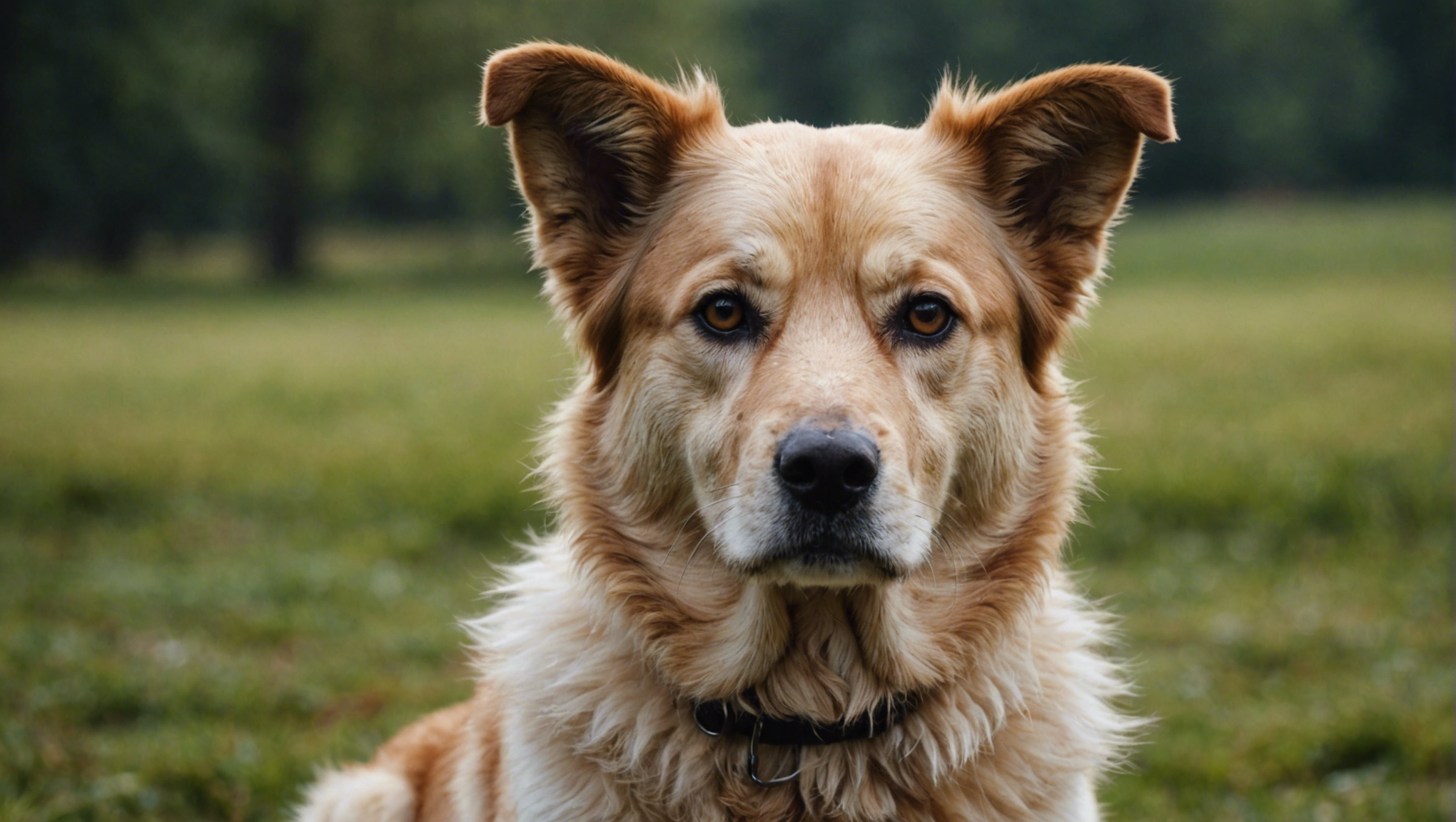
Prepare a dog bathing is not just about routine; this is a crucial step to ensure its well-being and his hygiene. Before starting the process of grooming, it is essential to follow certain steps to make the experience pleasant and efficient.
1. Brushing before bathing
Brushing is an essential step that should not be neglected. It helps detangle hair, remove superficial dirt and parasites, such as fleas or ticks. Use a brush suited to your dog’s hair type. For example, a bristle brush for long hair or a softer brush for short, sensitive hair.
2. Checking and cleaning the ears
Dogs’ ears can accumulate wax and debris, which can lead to infections if not properly cleaned. Use a gentle solution designed specifically for canine ears to clean these sensitive areas. Avoid inserting anything deep into the ear canal; just clean the entrance and visible areas.
3. Nail trimming
Trimming your dog’s nails is essential to prevent pain and discomfort when walking. If you hear their nails clicking on the floor, that’s a sign it’s time to trim them. If you are not confident in carrying out this task, seek help from a professional or your veterinarian.
4. Eye cleaning
The eyes should be gently cleaned to remove any dust or dirt that may cause irritation. Use a soft, damp cloth to gently wipe around the eyes, taking care not to touch the mucous membrane of the eye.
5. Pre-bath and water temperature
Before wetting your dog, make sure the water is a comfortable temperature, not too hot or too cold. Sudden immersion in inappropriate water can stress or frighten your dog, making grooming more difficult.
6. Use of suitable shampoos
Choosing the right shampoo is essential for your pet’s skin. Specialized shampoos for dogs take into account the specific pH of their skin, which differs from that of humans. In case of sensitive skin or allergies, opt for hypoallergenic formulas or ones based on natural ingredients.
FAQ:
How often should I bathe my dog?
Bathing frequency depends on several factors, such as hair type, activity level and living conditions. Generally, a monthly bath is sufficient, but some active dogs or those living primarily outdoors may require more frequent baths.
What is the best way to dry my dog after bathing?
Using a low temperature dryer specifically designed for pets is ideal. If using a towel, dab gently to absorb water without rubbing, which could tangle the hair.
How can I make bathing less stressful for my dog?
Gradually introduce your dog to bathing while he is still young, if possible. Use gentle tones and reward your dog with treats during and after bathing to make it a positive experience.
Choosing shampoo: considerations depending on skin and coat type
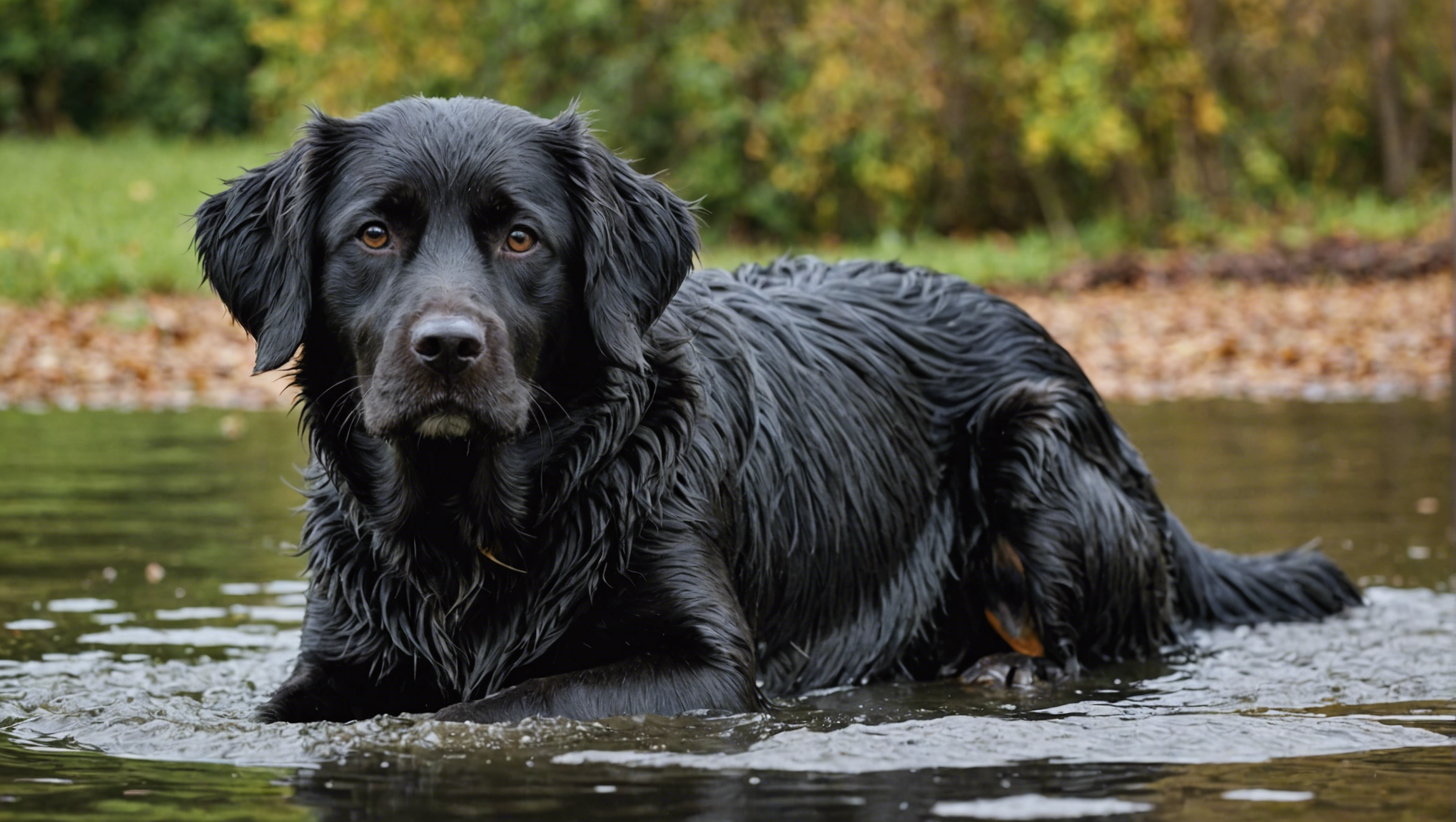
The choice of shampoo is crucial for maintaining good dog hygiene. It directly influences the health of the skin and the quality of the animal’s coat. Various options are available on the market, but knowing the specifics of each skin and coat type helps optimize the effects of the product.
Identification of skin and coat type
Before choosing a shampoo, it is essential to determine the dog’s skin and coat type. Skin can be oily, dry or normal, and each condition requires a different shampoo. Likewise, the coat can vary: short hair, long hair, curly hair, or double coat. Each type has its own grooming needs.
Shampoos for sensitive skin
The dogs sensitive skin benefit from hypoallergenic or gentler shampoos. These products avoid overly aggressive substances, such as parabens or sulfates, which can cause irritation or itching. Ingredients like oats or aloe vera are favored for their ability to soothe the skin.
Specific formulas for different coats
For dogs with long, thick hair, detangling or conditioning shampoos can make brushing easier by reducing tangles and making the coat more manageable. Conversely, for short coats, shine or thickness enhancing shampoos can be used to highlight the natural texture of the coat.
Treatment of skin problems
Medicated shampoos are recommended for dogs suffering from skin problems specific such as dermatitis, allergies or infections. These shampoos, often prescribed by a veterinarian, contain active agents intended to treat or prevent these conditions.
Environmental and animal health consideration
It is also crucial to consider the environmental impact of the products used, as well as their tolerance by the animal. Opting for biodegradable shampoos that are not tested on animals can be a wise choice for owners who are aware of these issues.
FAQs
Q1: How many times a month should I bathe my dog with shampoo?
A: Bathing frequency depends on the dog’s coat type and activity. Generally, a monthly bath is sufficient, but some active dogs or those with high-maintenance coats may require more frequent baths.
Q2: Is a human shampoo suitable for dogs?
A: No, human shampoos are not recommended for dogs because their skin pH is different. Using such a product could unbalance your pet’s skin barrier and cause irritation.
Q3: How do I know if a shampoo is not suitable for my dog?
A: If you notice signs of irritation, increased dryness, or discomfort after using a shampoo, it is likely that the product is not suitable. In this case, consult a veterinarian for advice on a shampoo best suited to your dog’s skin and coat.
Bathing techniques suitable for different types of dogs
There dog bathing is an important task for all owners who want to guarantee the hygiene and well-being of their pet. Depending on the breed, size, and coat type, the techniques and precautions required when bathing can vary considerably.
Bathing short-haired dogs
The dogs short hair, such as Beagles or Boxers, generally need fewer special shampoos. The water should be lukewarm to avoid causing them stress. While bathing, a gentle massage using hypoallergenic or mild shampoos will help remove dirt without irritating their skin. It is crucial to rinse well to remove any soap residue, which could cause irritation or itching.
Bathing long- or curly-haired dogs
For breeds with long or curly hair, like Poodles or Shih Tzus, detangling the coat is an essential pre-swimming step. Use conditioner to make combing easier and prevent tangling. The water should be just lukewarm and it is recommended to use a moisturizing shampoo to maintain the health of the coat. Rinsing should be thorough to avoid ingrained product build-up which can weigh down the coat and encourage dirt.
Bathing dogs with sensitive skin
Dogs with a sensitive skin require special care. Choose bathing products specially formulated for sensitive skin and free from harsh fragrances and dyes. Lukewarm water is essential to comfort the animal and avoid worsening skin sensitivity. After bathing, a soft towel or blow dryer on low heat will help dry the dog while reducing the risk of irritation.
Bathing frequency depending on the type of dog
There swimming frequency also varies depending on the type of dog. While a short-haired dog may require a monthly bath, dogs with long coats might need more frequent baths, especially if they spend a lot of time outdoors or are prone to tangling. It is important not to bathe your dog too frequently to avoid drying out his skin and coat.
Frequently Asked Questions (FAQ)
- What is the best shampoo for a dog with a curly coat?
- How often should I bathe my dog if he has very sensitive skin?
- Are there any tips to make swimming more enjoyable for my dog?
Drying and post-bath care to maintain healthy coat and skin
THE regular grooming is essential for maintaining the quality of your dog’s coat and skin health. A good grooming routine helps prevent many health problems, while promoting a shiny coat and sturdy skin.
Choose the right products
Selection of grooming products is crucial. Opt for gentle shampoos specially formulated for dogs. These products must respect the natural pH of the skin so as not to dry it out. Using conditioners can also help keep the skin moisturized and make the coat softer and easier to brush.
Effective brushing techniques
Regular brushing is beneficial in removing dead hair and stimulating blood circulation, thereby improving skin health. Use a suitable brush to your dog’s coat type. Pimpled brushes are ideal for short hair, while for long-haired breeds, long-toothed brushes or combs are recommended.
Importance of regular baths
Baths play a key role in maintaining healthy skin. However, it is essential not to bathe your dog too frequently to avoid dehydrating the skin. A bath once a month is usually sufficient, unless your dog is very dirty or has specific skin care requirements.
Skin hydration
To preserve skin hydration between baths, consider using moisturizing products. Sprays or lotions designed for dogs can help maintain supple skin and prevent the appearance of itching or dandruff.
Periodic inspection
Inspect your dog’s skin regularly for signs of irritation, redness or parasites. If abnormalities are detected, consult a veterinarian for evaluation and proper treatment.
FAQs
How many times a month should you bathe a dog?
The frequency of bathing depends on the dog’s coat type and skin, but in general, one bath per month is adequate to keep the coat clean without drying out the skin.
What type of brush should I use for a long-haired dog?
For a long-haired dog, it is best to use a long toothbrush or comb to detangle effectively without causing pain to your pet.
Is it necessary to use dog conditioner after shampooing?
Although not essential, using a conditioner can make detangling easier and improve the overall appearance of the coat while helping to keep the skin hydrated.