


Is your dog safe while swimming?

Dear dog owners, did you know that swimming can involve unsuspected risks for your faithful companion? This article explores the essential safety measures to follow to ensure that every moment spent in the water remains a safe and enjoyable time for your dog. Dive with us into expert advice for safe swimming!
Assessing Your Dog’s Water Safety
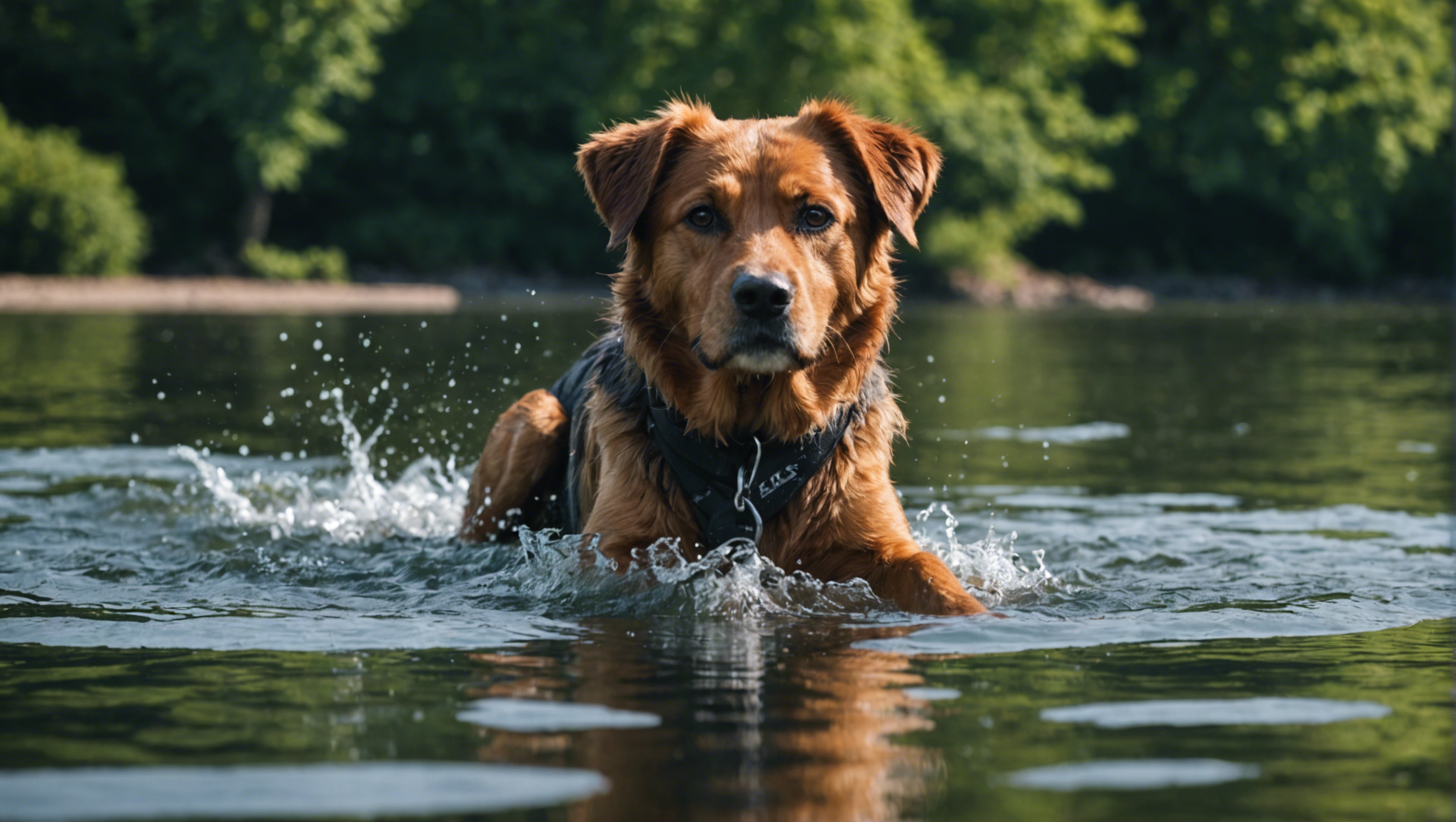
Importance of Water Safety for Dogs
There water safety is crucial for all dog owners, especially when it comes to protecting their well-being during water activities. Understanding your dog’s comfort level and skills in the water is essential to preventing accidents and ensuring an enjoyable experience for everyone.
Evaluate your dog’s swimming abilities
Not all dogs are natural swimmers. Some breeds, like bulldogs or pugs, may have difficulty due to their body structure. Before allowing your dog to enter a body of water, observe his reactions to small amounts of water and gradually increase his exposure. This can be done through playing in a water tank or in the shallow edges of a lake.
Choosing the right equipment
A safety jacket for dogs is essential for water safety, especially if you plan to boat or spend time in deep or open water. Make sure the vest fits well and is comfortable for your dog, allowing free leg movement and ease of breathing.
- Check that the straps do not cause friction.
- The vest should have a handle so you can easily get your dog out of the water.
- Opt for a vest with reflective strips for better visibility.
Monitoring and precautions when swimming
Always actively supervise your dog when he is in or near water. Even with a life jacket, a dog can tire quickly or swallow water, which can lead to injury. drowning or illness. It is also important to know the symptoms of exhaustion and excessive water ingestion to react quickly if necessary.
Emergency Preparedness
Know the techniques of FIRST AID specific to dogs can be vital in an emergency. Learn how to perform canine CPR (cardiopulmonary resuscitation) and how to manage water ingestion or potential drowning. Having the number of a nearby veterinarian or emergency clinic is also recommended during aquatic outings.
FAQs
What is the best way to introduce my dog to water?
Start with short sessions in shallow, calm water, and use floating toys to encourage your dog to enter the water.
My dog is afraid of water, what can I do to help him?
Never force a frightened dog into water. Gradual approaches, rewards and words of encouragement can help overcome fear.
Should I rinse my dog after swimming?
Yes, rinsing your dog with clean water will help remove salt, chlorine or bacteria that may cause skin irritation.
Choosing the right safety equipment
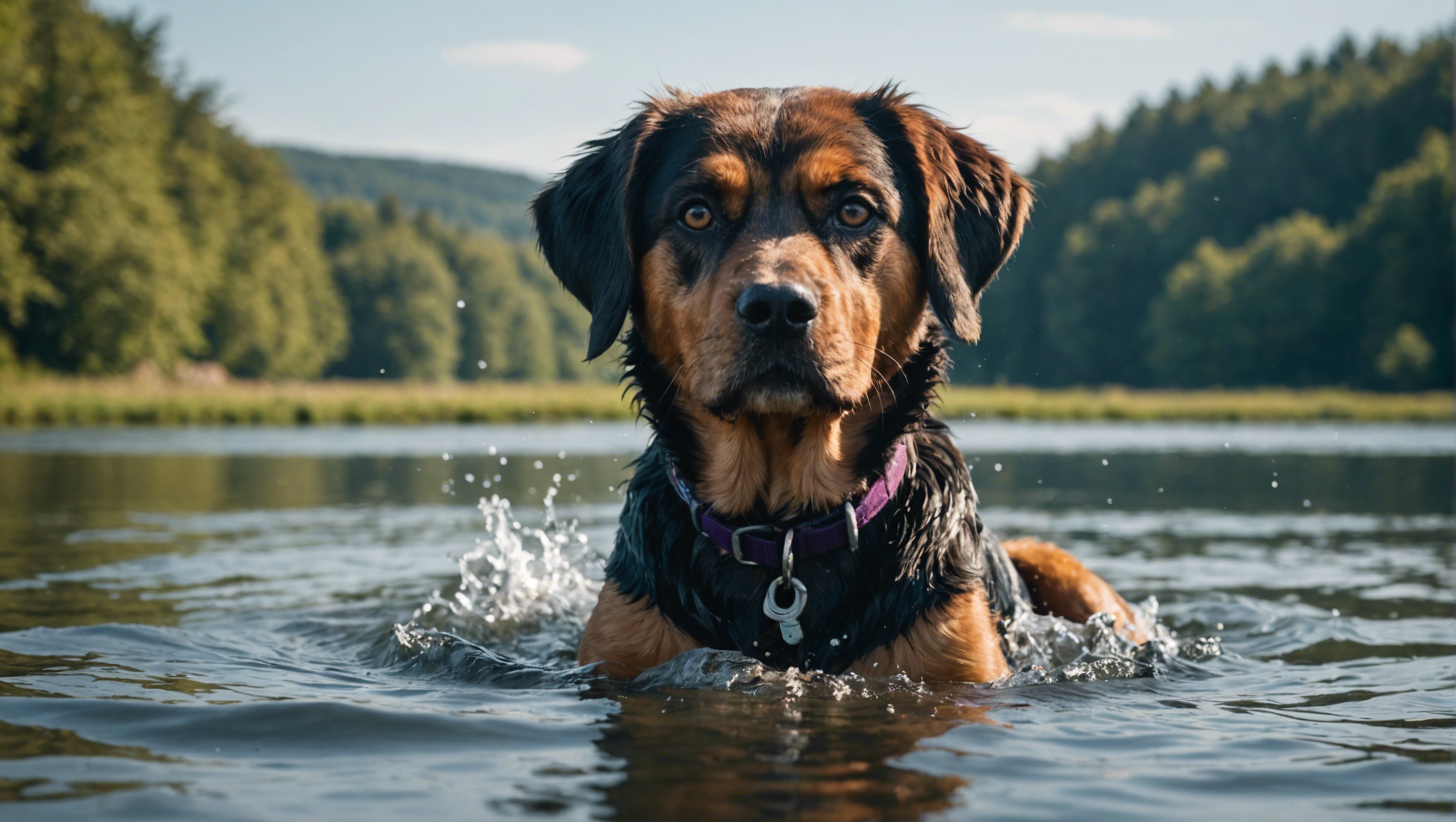
When it comes to the dog safety, choosing the right equipment is crucial. There are a variety of options on the market, and it is important to understand the specifics of each type to ensure the well-being and safety of your four-legged friend, especially in the event of special conditions such as separation anxiety or problems with mobility like arthritis.
Essential safety equipment
Basic equipment generally includes leashes, of the harness and necklaces, each having specific variations depending on the dogs’ needs. For example, harnesses are preferable for dogs with arthritis because they distribute pressure across the body more evenly and reduce strain on sensitive neck and back areas.
Moreover, the reflective coats and the LED lights are essential for night walks, increasing visibility and safety in low light conditions. For anxious dogs, soothing clothing that apply light pressure can work wonders in imitating the feeling of being hugged.
Solutions for specific problems
For dogs suffering from anxiety disorders, THE enrichment toys designed to stimulate mentally can help manage anxiety. These toys not only keep the dog occupied while its owner is away but also reduce stress-related destructive behaviors.
In the case of the hair and parasite management, of the protective clothing can also be a solution to minimize hair loss and protect your pet from harmful insects, especially during the warm months when flea and tick infestations are more likely.
Choose based on age and size
It is also vital to choose the right equipment for theage and to the size of the dog. Puppies, for example, often need lighter and more adjustable equipment to support their rapid growth. For older dogs, who may suffer from arthritis or other age-related ailments, equipment specifically designed to provide extra support and comfort are recommended.
FAQs
What type of harness is recommended for a pulling dog?
A no-pull harness is ideal, as it provides greater control without causing stress on the dog’s neck, promoting a safer and more enjoyable walk for both parties.
Can Toys Really Help Reduce Anxiety in Dogs?
Yes, toys that encourage interaction and thinking can distract the dog and reduce anxiety-related behaviors by providing them with constant mental stimulation.
Is there any special equipment for older dogs?
Yes, harnesses with support handles and orthopedic beds can greatly improve the quality of life of older dogs by providing the necessary support for their weakened bodies.
Swimming learning and training for dogs
Learning to swimming for dogs is a vital skill that not only ensures their security around water but also promotes excellent fitness fitness. Before introducing your dog to the water, it is crucial to take steps to ensure their safety and comfort throughout the learning process.
Preparation before the first swimming lesson
There preparation is the key to a successful introduction to swimming. First of all, a visit to the veterinarian is recommended to ensure that your dog is in good physical health and able to swim. Next, equip your dog with a safety jacket designed specifically for canines is essential, particularly for breeds that are naturally less adept at swimming, such as Bulldogs or Pugs.
Gradually introduce your dog to water by choosing a calm, safe place, such as a small swimming pool or a shallow portion of a lake. It is important to start with short sessions to avoid any stress Or excessive fatigue.
Swimming Teaching Techniques
The approach should always be positive and encourage your dog with compliments and rewards. Start with simple exercises like walking in the water alongside him, then gradually let him wade and finally swim short distances.
A popular technique is to support the dog’s belly by gently encouraging him to use his front and back legs. This assistance will allow him to feel how to move in the water without panicking.
It’s also helpful to use floating toys to motivate him to move forward in the water, strengthening his swimming skills while having fun.
The importance of constant supervision
Even after your dog learns to swim, the supervision constant is imperative. The risks of drowning or overexertion are real, especially in young energetic dogs or flat-faced breeds. Make sure you are always nearby, ready to intervene if necessary.
Also watch for signs of fatigue or stress and give your dog frequent breaks to drink fresh water and rest.
Identify and manage risks related to the aquatic environment
There water safety is essential to ensure the well-being and protection of individuals during their interaction with aquatic environments. Whether in swimming pools, on beaches, in lakes or rivers, the recognition and management of risks are essential.
Understanding the different types of risks
Risks linked to the aquatic environment vary depending on the location and the activities carried out. Among the most common are:
- Currents and tides: These natural phenomena can surprise swimmers and pull them far from shore or into dangerous areas.
- Water depth: Sudden changes in depth can pose a risk to those who cannot swim.
- Water temperature: Very cold water can cause thermal shock and hypothermia.
- Submerged objects: Fallen objects or submerged structures may cause injury.
Prevention and intervention strategies
To minimize the risks In the aquatic environment, the adoption of prevention and intervention strategies is crucial. The following measures are recommended:
- Swimming and lifesaving training: Classes available for all ages and skills, reducing the risk of incidents.
- Monitoring : The presence of trained and attentive lifeguards is essential in aquatic areas frequented by the public.
- Security equipment : Use of suitable equipment such as life jackets, floats and distress beacons.
- Information and signage: Installation of information panels on swimming conditions and potential risks.
Lessons and responsibilities of users
In addition to institutional measures, users also have a role to play for their personal safety and that of others. They must :
- Observe safety instructions : Follow the rules and guidelines established by aquatic site managers.
- Supervise children: Maintain constant vigilance, especially with young children who are more vulnerable.
- Evaluate your own limits: Recognize your swimming skills and avoid areas that present a challenge beyond your abilities.
FAQs
How important is surveillance in water safety?
Monitoring by qualified professionals can quickly detect and intervene in the event of a problem, significantly reducing the risk of accidents.
How can you prepare for safe water activity?
It is advisable to check the weather forecast, familiarize yourself with the specific environment and ensure that all participants are aware of possible dangers.
What equipment is recommended to improve water safety?
Wearing a life jacket is crucial, especially for children and those who are not good at swimming. Other equipment may include floats and safety ropes.