


How to choose a pet dog to work from home?
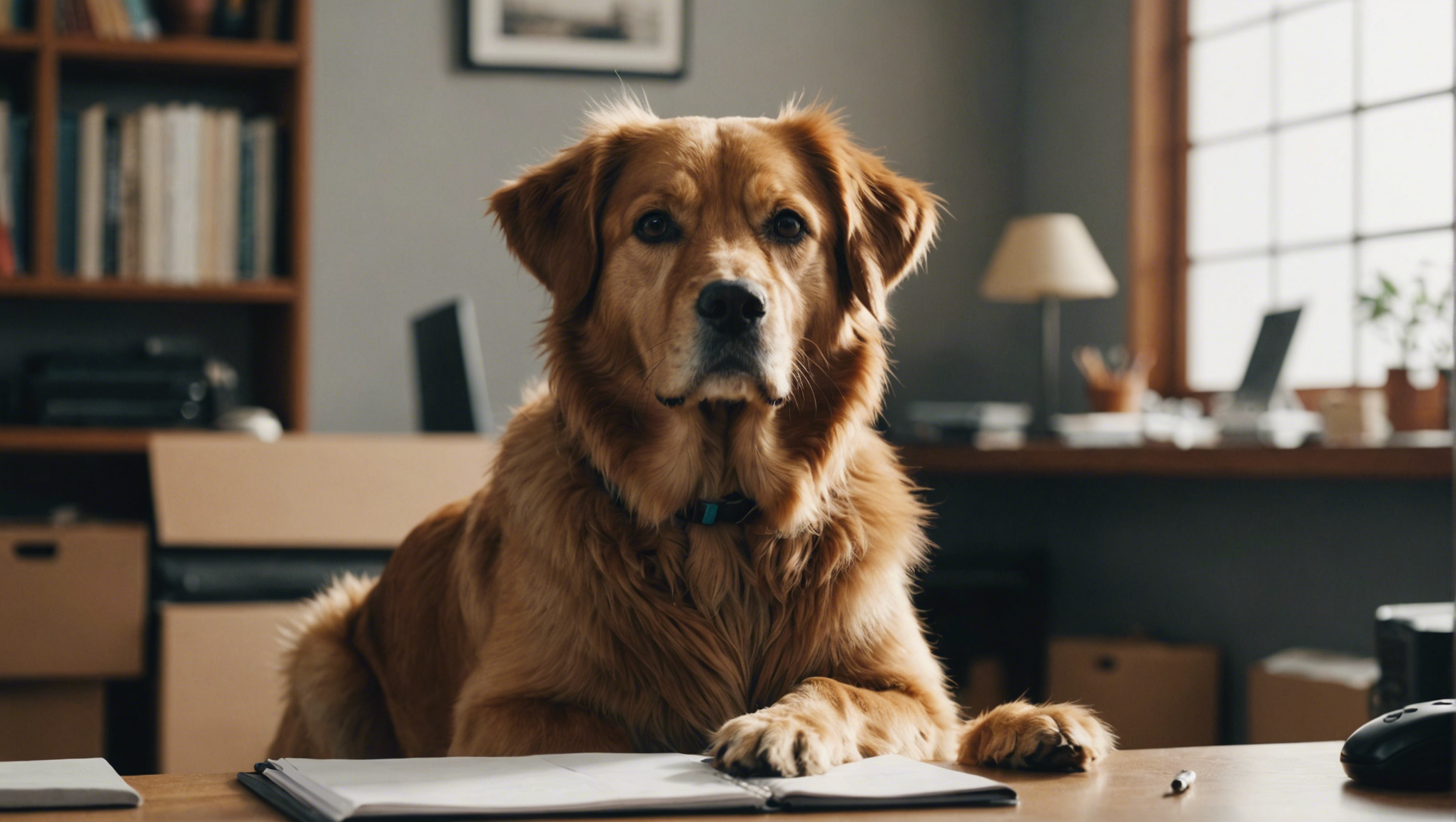
Find out how to choose the ideal four-legged companion to accompany you in your work from home! From breed to maintenance, including characteristics and genetic tests, here is everything you need to know to welcome a gentle presence adapted to your daily professional life.
Determine your work needs and requirements
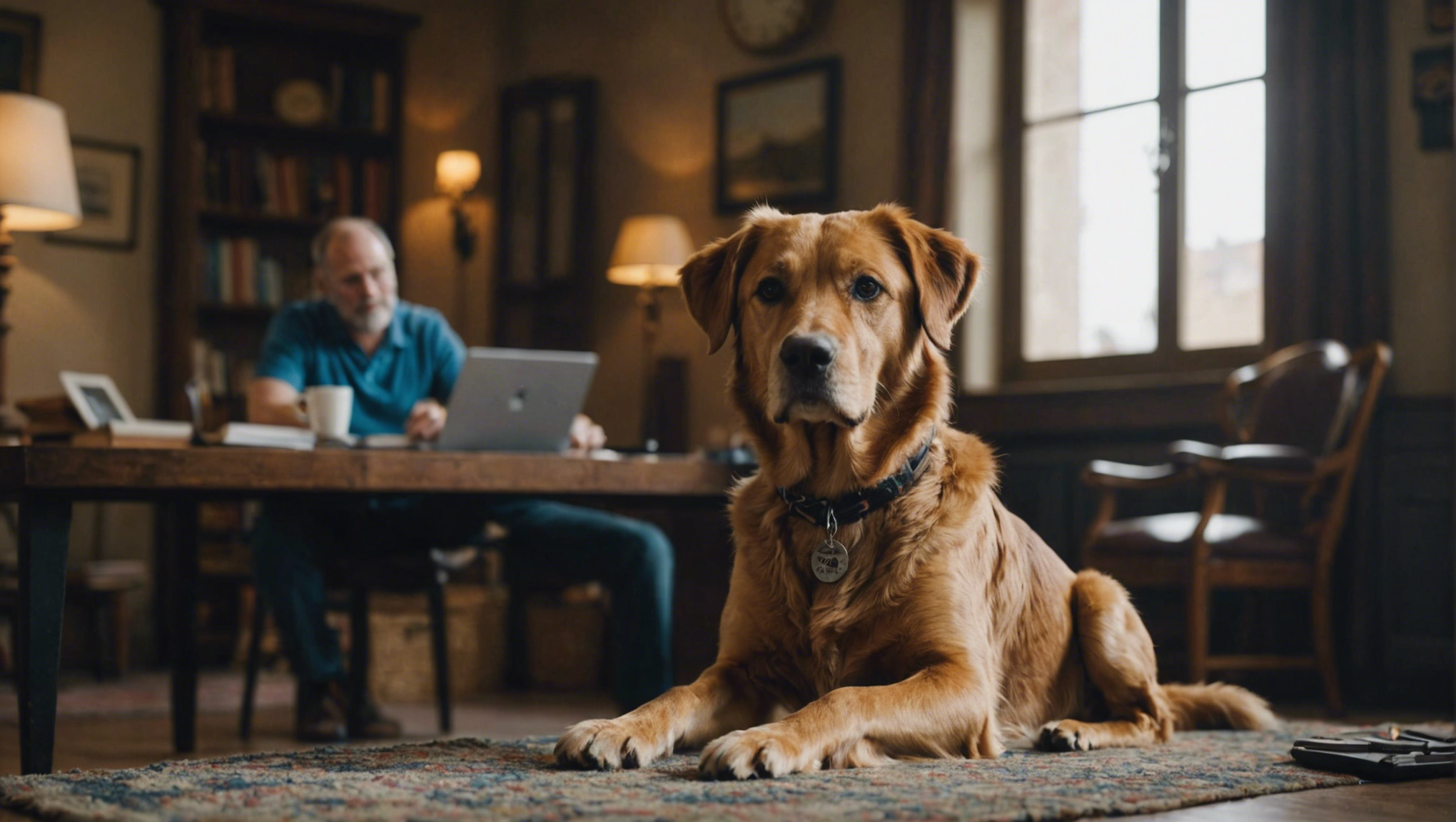
Understand the importance of the dog’s adaptability to your lifestyle
Adopting a dog is a serious commitment for both the animal and the adopter. Before making a choice, it is essential to seriously ask yourself questions about your daily pace of life. The needs of a Yorkshire Terrier or Dachshund are different from those of a Golden Retriever. For a 65-year-old woman, dynamic but keen to have a soft and easy-to-maintain four-legged companion, it is important to understand the requirements of temperament, activity, size and maintenance needs. specific to each breed of dog.
Know the characteristics of different dog breeds
It is important to understand the specific characteristics of different dog breeds before making a decision. For example, the Yorkshire Terrier and the Dachshund are both small in size, making them perfect for an apartment environment. However, these small breeds may require a lot of exercise and attention to avoid behavioral problems. On the other hand, although the Golden Retriever is larger, it is known for its gentleness and friendly temperament, making it suitable for older people. They require exercise, but are also known to be quite calm inside the house.
Consider health and allergy aspects
Another important factor to consider before adopting a dog is knowing its own health status. For example, if you are prone to allergies, it would be best to adopt a hypoallergenic dog. However, it is important to note that a dog’s hypoallergenicity can vary from one individual to another. Furthermore, the idea of making genetic testing on a dog before adoption could help to learn more about its health and characteristics. This can be a great way to prevent possible illnesses and plan comprehensive care.
FAQs
What is the best dog breed for a senior?
Although it depends on the individual, some dogs have personality traits that may make them more suitable for seniors. Calm, loving dogs like Golden Retrievers are often a good choice.
How much exercise does a Yorkshire Terrier need?
Yorkshire Terriers are energetic little dogs that require lots of play and mental exercise to stay happy and healthy. They enjoy daily walks and play sessions.
How do I know if I am allergic to a certain breed of dog?
If you suspect an allergy, it would be best to spend time with a dog of this breed before adopting it. It would also be wise to consult an allergist for specific allergy testing.
Consider the breed and temperament of the dog
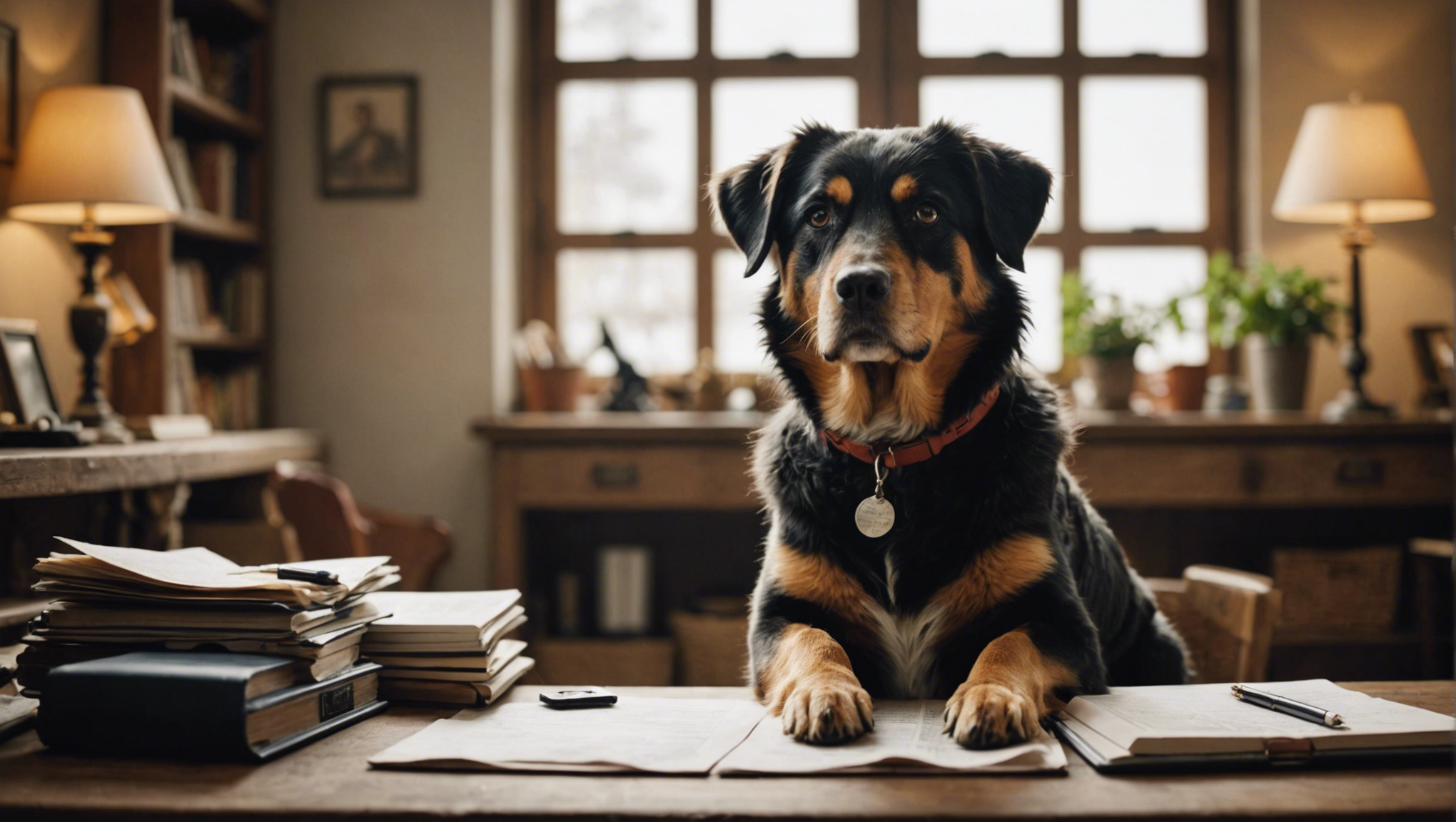
When it comes to pet dogs, only one rule matters: choose the right one.
Today, it’s easy to fall in love with a puppy in a pet store or fall for an online classified ad. However, choosing the right companion requires a lot more thought and involvement. This includes choosing a dog whose breed and temperament match your lifestyle and personal constraints.
Dog breeds and their importance in your choice
It is important to understand that different dog breeds have different characteristics and needs. For example, certain breeds like Yorkshire Terrier where the Dachshund are known to be more suited to apartment living due to their smaller size and less need for daily exercise. Other breeds, such as Golden retriever, are known for their softness and ease of adaptation, which makes them an ideal companion for the elderly.
How the dog’s temperament affects your choice
In addition to breed, the dog’s temperament is a crucial factor to consider. Very often, we can predict a dog’s temperament based on its breed, but every dog is unique and there are variations within the same breed. For example, the Golden Retriever is often characterized as loving and calm, but some specimens can be more energetic or dominant. It is therefore important to interact with the dog before adopting it in order to assess its personality and see if it meets your expectations.
The relevance of informed adoption
Having a dog is a long-term commitment that can last around fifteen years. Much more than a simple purchase, it is an adoption which implies responsibility and involvement. It is therefore crucial to be well informed before making this decision, considering all facets of what it means to have a dog. For example, consider genetic testing on the dog before adoption can give an additional indication of its health and characteristics.
F.A.Q.
1. What is the best breed of dog for a senior living alone?
There is no single answer to this question as it depends on each person’s preferences and lifestyle. However, breeds like the Yorkshire Terrier or Golden Retriever are generally recommended for seniors due to their calm temperament.
2. How do I know if a dog’s temperament suits me?
It is recommended that you spend time with the dog before adopting it to observe its behavior and see how it interacts with you. In addition, a dog behavior professional can provide valuable information.
3. Is genetic testing necessary before adopting a dog?
Genetic testing is not mandatory but can provide useful information about the dog’s future health and help prevent certain diseases.
Adapt the workspace for the dog
Understanding the need for space adaptation for the dog
Welcoming a pet dog is more than just giving him a home and love. It is imperative to provide him with an environment conducive to his well-being. This is especially true for spaces like the workplace, where your four-legged friend might spend a lot of their time. Creating a suitable working environment for your dog can benefit both you and your pet.
Tips for adapting the workspace for the dog
The layout of work space for the dog can be done gradually and following some key tips may be helpful to you.
- Consider the size of your dog. If you have a large dog, they will need a certain amount of space. Smaller breeds like the Yorkshire Terrier or Dachshund will need less space to move around.
- Create his own space. Giving him his own space can help reduce his stress and give him a sense of his territory. This space could include a comfortable dog bed and toys to keep him entertained.
- Keep the space clean. A dog may be allergic to certain things, therefore, providing a clean environment is essential.
The choice of dog depending on the work space
For a senior opting for a companion dog, certain breeds may be more appropriate in a work environment. For a hypoallergenic dog, the Yorkshire Terrier is a good choice. The Golden Retriever is also a fantastic choice because of its gentle nature and ability to adapt to a calm environment. The Dachshund is also a good option for those with a smaller workspace.
Importance of genetic testing before adoption
It is also recommended to make genetic testing on the dog before adoption. These tests can provide valuable information about the pet’s health, which can help you better tailor your environment based on the dog’s possible medical conditions.
FAQs
1. What is the ideal space for a dog in a work environment?
This depends on your dog’s size and activity level. A large, active dog would need more space than a small, calm dog. However, every dog should have their own space to relax and play.
2. How to keep the work space clean for the dog?
It’s important to regularly clean your dog’s work space, including their bed and toys. This also includes taking care of the cleanliness of the dog itself, such as regular grooming.
3. Why do genetic testing before adopting a dog?
Genetic testing can help identify your dog’s predispositions to certain health conditions. This can help you adapt your environment and care accordingly.
Tips for training your dog while you work
Compromise between work and dog training
Being a dog owner is a rewarding experience, but it can be difficult to balance the demands of a full-time job with raising a new four-legged companion. It is crucial to adopt a structured approach to ensuring the well-being of your dog, while meeting your professional responsibilities. It might seem overwhelming, but with a few easy-to-implement tips, balancing work and training your dog can be a reality.
Build the relationship from the start
One of the keys to establishing a routine that works for you and your dog is to start when you drop off your suitcases. When you first bring your dog home, take a few days off, if possible, to get you and him adjusted. This time is also essential for establishing solid habits that will become part of your dog’s daily routine.
Establishing a consistent routine
Dogs are creatures of habit who enjoy routine and the feeling of security it provides. Establishing a consistent routine will help your dog understand what is expected of him, make training easier, and help him better manage his alone time. It is essential to establish regular times for meals, walks and other entertainment activities.
Socialization and exercise
It is crucial to provide your dog with regular opportunities to socialize with other dogs and people. Consider lunch time to take him for a walk. This can be a fantastic opportunity to teach him how to behave in public, or even teach him a few new tricks.
A well-socialized and well-exercised dog will be happier and calmer at home, which means less stress for you when you have to leave for work.
Call on professionals
There may be times when your job demands are particularly high and it is difficult for you to provide your dog with the level of attention and interaction he needs. At these times, considering the option of hiring a dog sitter or dog walker could be beneficial. These services are invaluable for reinforcing your dog’s training and ensuring that he is not alone all day.
Distance learning
It is also possible to train your dog even when you are not at home. Thanks to modern technology, there are now gadgets available that allow you to monitor your dog, talk to him, and even give him treats while you are away.
FAQs
Q: How do I train my dog to stay home alone?
A: It is ideal to start getting your dog used to being home alone for short periods of time and gradually increase the duration. Make sure you leave your dog with enough toys to keep him entertained.
Q: My dog makes messes when I’m not home, what can I do?
A: This can be a symptom of a stressed or anxious dog. Try giving your dog more exercise and toys to stimulate him mentally. If the problem persists, consider consulting a dog behaviorist.
Q: How do I choose the right walker for my dog?
A: Make sure the person you hire is reliable, well prepared, and has a good relationship with your dog. References and testimonials from other customers can be of great help.