


Long-haired or short-haired dog: What are the differences in grooming and daily care?
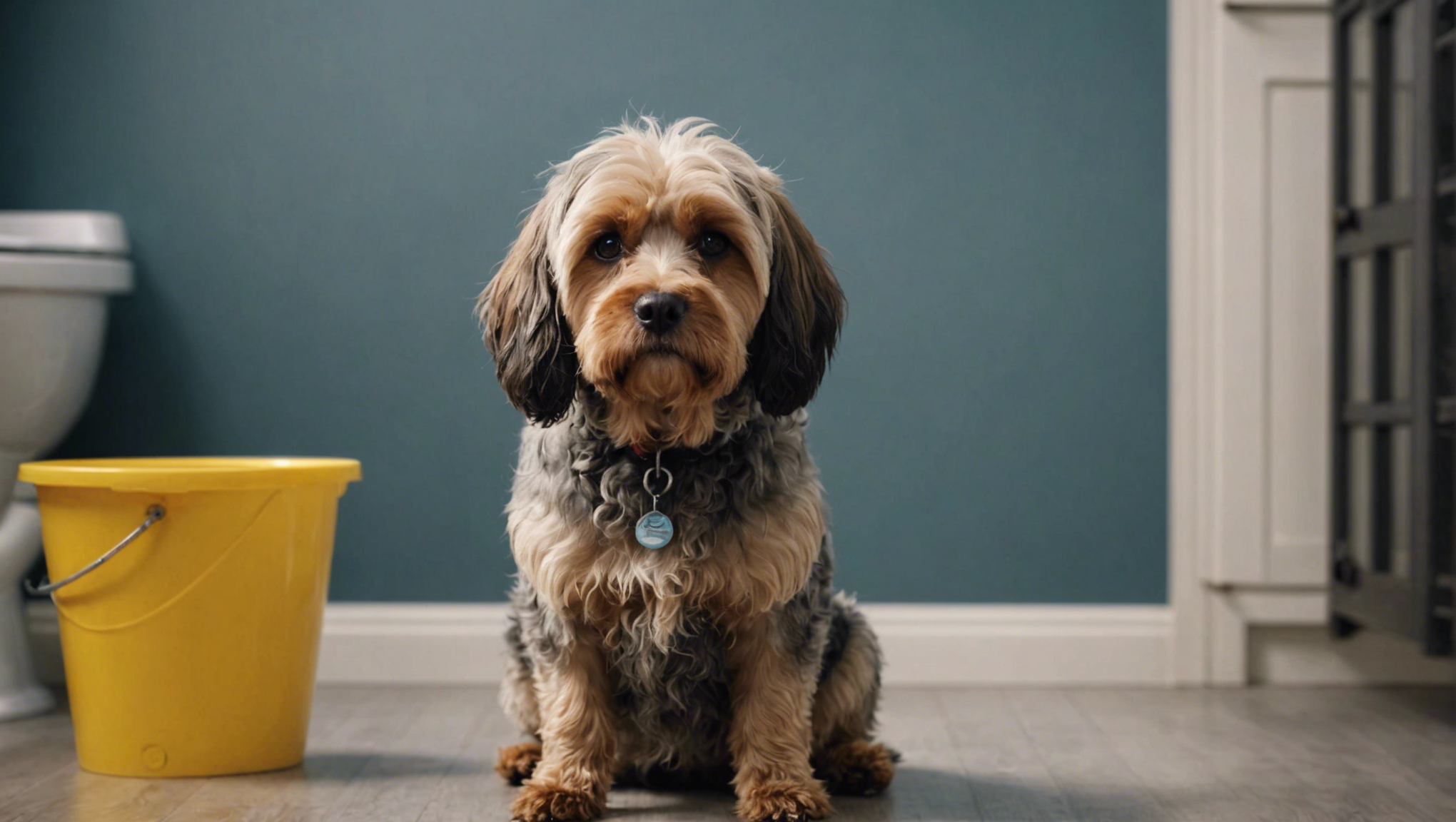
Are you wondering if a long-haired or short-haired dog is best for you and your lifestyle? Find out everything there is to know about the differences in grooming and daily care between these two types of dogs. A guide to help you make the best choice.
Characteristics and maintenance of long hair in dogs
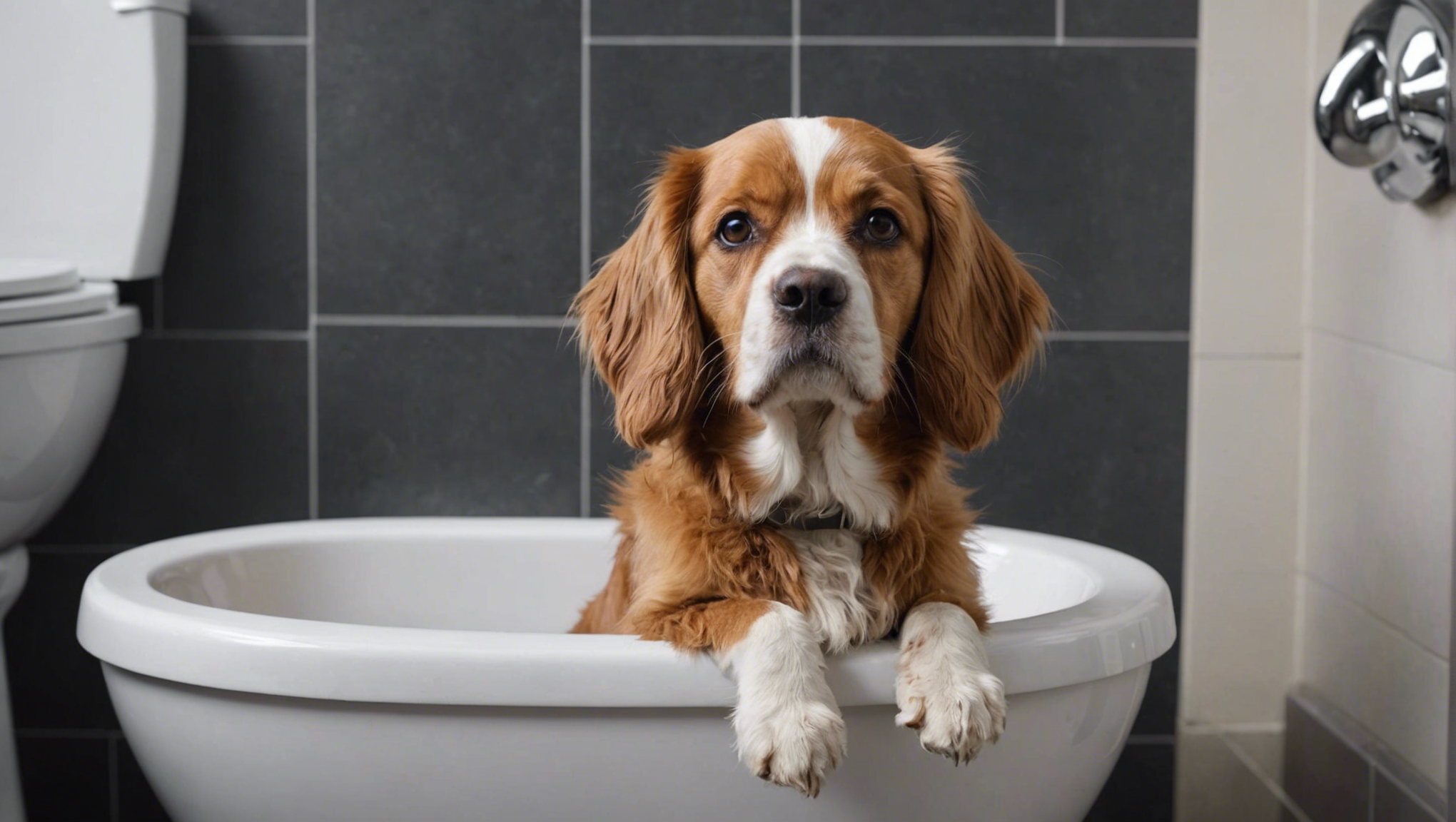
Understanding the need for specific grooming for long-haired dogs
Dog grooming is an essential part of their well-being, but when we talk about long-haired dogs, maintenance becomes a major issue. The beauty and health of these canines requires regular and precise care to avoid problems such as knots, discomfort, and even certain skin diseases. SO, how to properly care for long-haired dogs ? What do you need to know about their characteristics and maintenance?
Characteristics of long-haired dogs
First, it is important to identify and understand the characteristics of long-haired dogs. These deniers are distinguished by their coverage of long and often luxuriant hairs which require regular grooming sessions to maintain their beauty and comfort. Among the popular long-haired breeds, we find the Yorkshire Terrier, THE Dachshund and the Golden retriever.
These dogs have hair that continues to grow, like human hair. It therefore requires regular trimming to prevent it from becoming too long and difficult to manage. In addition, their dense undercoat can quickly become matted and form knots without regular brushing.
Proper grooming of long-haired dogs
Maintaining and grooming long-haired dogs requires a certain investment in time and equipment. Here are some key steps for grooming these dogs:
- Daily brushing: Daily brushing is necessary to detangle hair, remove debris and reduce tangles. It also promotes circulation, which helps maintain healthy skin and coat.
- Cutting sessions: It is important to trim long hair regularly to reduce the risk of tangling and to help maintain a well-groomed appearance.
- Regular baths: Bathing your long-haired dog regularly can help keep their skin clean and remove excess dirt and oil from their coat.
- Specific care: Some long-haired dogs may require specific care, such as cleaning the eyes for the Yorkshire Terrier or the ears for the Golden Retriever.
Call a professional
In addition to the aesthetic aspect, grooming long-haired dogs also has a preventive role in terms of health. In particular, it helps prevent skin problems or infections. Due to the complexity of caring for certain long-haired breeds, it can be very useful to call a professional. A professional groomer has the experience and know-how to properly handle all aspects of grooming and maintaining long-haired dogs.
FAQs
What is the ideal frequency for brushing long-haired dogs?
Generally, daily brushing is recommended for long-haired dogs. This helps prevent matting and keeps their coat healthy.
How often should you bathe a long-haired dog?
It is generally advisable to bathe a long-haired dog every 4 to 6 weeks, depending on their activity level and coat type. However, it is essential not to wash it too much so as not to dry out its skin and coat.
Can I clip my long-haired dog myself?
It is possible to do this, but it is best to call a professional, particularly for certain long-haired breeds. A professional groomer will know how to clip to the right length while respecting the well-being of your pet.
Distinctive aspects and care of short hair in dogs
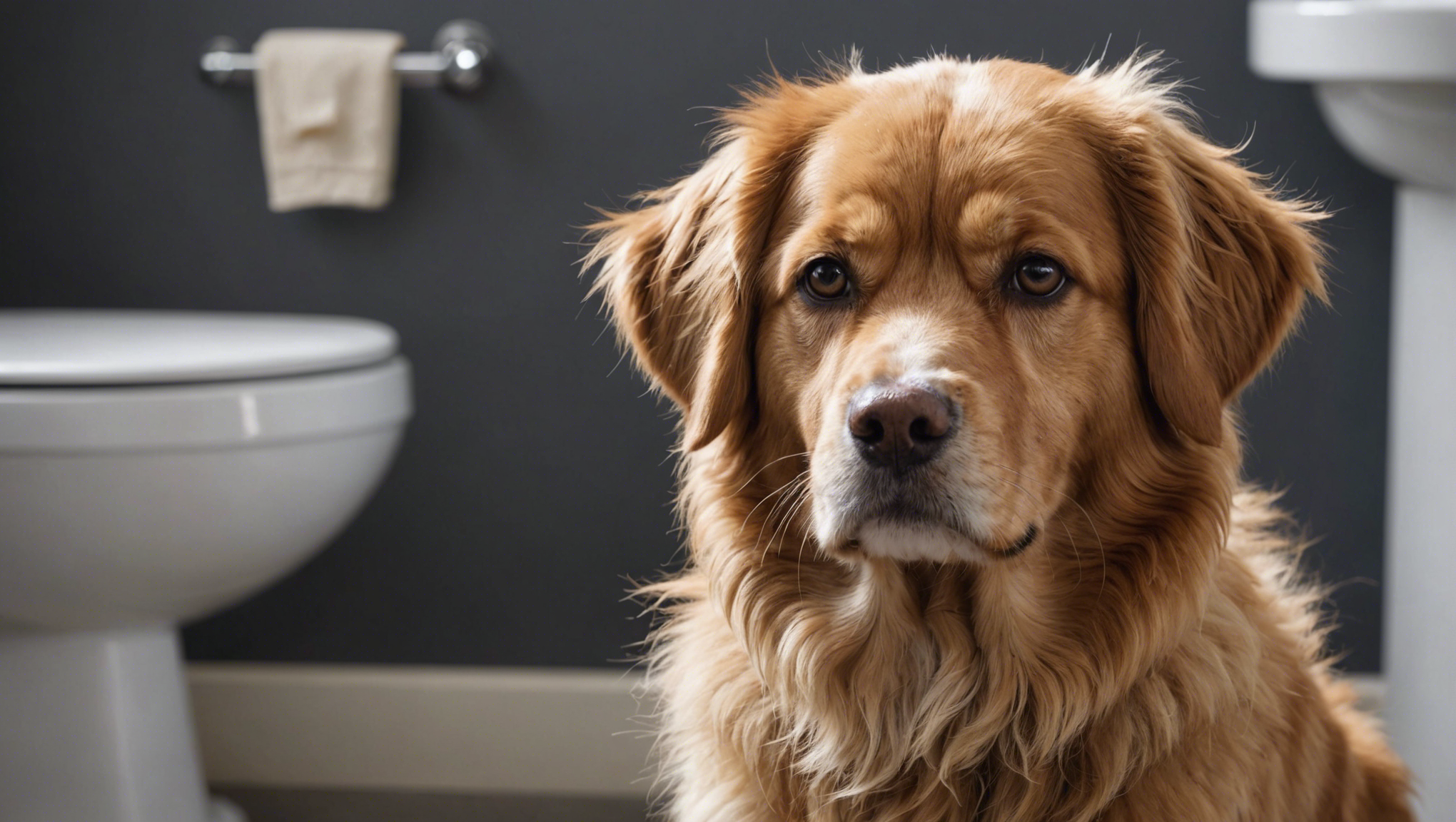
Understanding the specific needs of short hair
When it comes to dog grooming, each breed of dog has its own specificities. For short-haired breeds, it is a matter of understanding and adapting grooming to their specific needs. First of all, it is important to emphasize that having a short-haired dog does not mean less maintenance. Indeed, although short hair is less prone to knots and tangles, it nevertheless requires regular care to maintain its shine and health.
Regardless of the breed, grooming a short-haired dog requires certain precautions. Due to the relatively short size of their coat, these dogs are often more sensitive to temperature fluctuations and sunburn. Additionally, short-haired dogs tend to shed hair more frequently, requiring regular brushing to remove dead hair.
Grooming Routines for Short-Haired Dogs
The main grooming routine for a short-haired dog is brushing. Although the short coat may make the dog appear like it doesn’t need to be brushed as often, removing dead hair regularly is essential to prevent hair buildup in the house and to keep the skin healthy. healthy dog.
A good brushing routine for short-haired dogs includes daily brushing with a fine needle brush, or a boar bristle brush. This massages the skin, distributes natural oils throughout the coat and removes dead hair. Additionally, regular brushing allows the dog’s skin to be examined for any signs of parasites or skin abnormalities.
When it comes to bathing, it’s generally recommended that you bathe short-haired dogs no more than once a month unless your veterinarian recommends doing it more often. Bathing too frequently can dry out your dog’s skin and cause irritation.
Choosing the Right Grooming Products
Choosing the right shampoo for your short-haired dog is essential to maintaining the health and shine of their coat. There are many shampoos specifically designed for grooming short hair, which moisturize the skin and coat, while removing dirt and odors without drying them out.
You also need to consider your dog’s skin type. Some short-haired dogs have more sensitive skin; a hypoallergenic shampoo might therefore be more appropriate. Additionally, for dogs that have specific skin concerns, you may want to consider medicated shampoos recommended by your veterinarian.
FAQs
How often should you brush a short-haired dog?
The frequency of brushing depends on the breed and the specific dog. However, it is generally recommended to brush short-haired dogs every day to remove dead hair and prevent it from accumulating around the house.
Should you cut your dog’s hair if it is short?
In the case of a short-haired dog, clipping is generally not necessary unless the veterinarian recommends it for specific medical reasons.
What type of shampoo is best for short-haired dogs?
Choose a specific shampoo for short-haired dogs, which moisturizes the skin and coat without drying it out. If your dog has sensitive skin, choose a hypoallergenic shampoo. If your dog has specific skin issues, there are medicated shampoos that your veterinarian can recommend.
Importance of grooming and differences depending on hair length
The importance of grooming for pets is a topic that deserves special attention. From reducing the risk of disease to promoting sociability, regular grooming offers varied and essential benefits to the health and well-being of our furry friends.
The importance of pet grooming
Grooming not only strengthens the bond between the animal and its owner, but it also goes a long way in preserving their health. This is an opportunity to inspect their skin and coat for signs of disease or parasites. Regularity Grooming also allows you to maintain a good level of hygiene, which is essential for the health of your pet and also for yours.
Specificities of grooming depending on the length of the hair
The length of your pet’s hair greatly influences the frequency and type of grooming needed.
THE short-haired dogs, such as Dachshunds, generally require less frequent grooming. Weekly brushing is most often enough to remove dead hair and stimulate the skin.
On the contrary, the long-haired dogs, like the Yorkshire Terrier, require more regular grooming. Daily brushing may be necessary to prevent tangles and mats from forming. Additionally, these dogs may require frequent visits to a professional groomer for hair trimming.
Grooming and hypoallergenic dogs
Some dogs are considered hypoallergenic due to their low amount of fur and dandruff. For the latter, regular grooming helps keep the home environment clean and free of allergens.
Genetic testing and grooming
Genetic testing can be helpful in determining your pet’s specific grooming needs. For example, certain breeds are more likely to develop skin problems that can be managed with proper grooming.
FAQs
What is the recommended grooming frequency for a long-haired dog?
Long-haired dogs like the Yorkshire Terrier require more regular grooming. Daily brushing may be necessary to prevent tangles and mats from forming.
Do hypoallergenic dogs require specific grooming?
Although they have less dandruff, regular grooming of hypoallergenic dogs helps keep the home environment clean and free of allergens.
How can genetic testing help determine my pet’s grooming needs?
Certain breeds are more likely to develop skin problems that can be managed with proper grooming. Genetic testing can help identify these predispositions and tailor grooming accordingly.
The impact of coat length on the dog’s daily care.
The importance of hair length in dog care
The length of your four-legged friend’s coat can have a major impact on their daily grooming. Let the hair be short, half-long Or long, each type requires specific care to keep the dog comfortable and healthy. Let’s find out how hair length can affect your grooming routine!
Short-haired dogs: ease of care and grooming
Short-haired dogs, like the Dachshund, are considered the most easy to maintain. Their coat usually only requires one weekly grooming session. However, don’t let the apparent ease fool you: a regular brush is necessary to remove dead hair and stimulate the production of sebum, a natural substance that protects the skin and gives a beautiful shine to the coat.
Medium-long-haired dogs: increased attention to grooming
Dogs with medium-long hair, like the Golden Retriever, require a little more attention in their grooming. Not only is their coat generally thicker, but it can also become tangled easily. It is therefore recommended to brush them every two to three days. Also be sure to monitor the presence of parasites such as fleas or ticks, which are more easily hidden in their thick coat.
Long-haired dogs: a real commitment
Long-haired breeds, such as the Yorkshire Terrier, require a level high engagement in terms of grooming. In addition to daily brushing, long hair requires regular professional grooming sessions to prevent tangling and maintain a well-groomed look. Additionally, long-haired dogs are often more sensitive to skin problems, like allergies. It will then be necessary to adapt their care accordingly.
Choose the breed of dog according to your grooming abilities
Choosing a dog breed that fits your lifestyle also involves considering the grooming care needed to keep their coat healthy. This is especially important for the elderly or people with allergies. Maintaining a long-haired dog may be too big a commitment, whereas a short- or medium-length dog would be more appropriate.
FAQs
What is the recommended grooming frequency for a long-haired dog?
A long-haired dog should be brushed daily to prevent tangling and tangling. On the other hand, professional grooming should be considered every 1 to 2 months.
Do short-haired dogs need frequent baths?
No, bathing too frequently can dry out the dog’s skin and make its coat dull. A bath every 1 to 3 months is usually sufficient for a short-haired dog.
How do I know if my dog has a skin allergy?
Signs of skin allergies in dogs may include redness, excessive licking of certain areas, rashes, itching, or hair loss. If you observe any of these symptoms in your dog, it is advisable to consult a veterinarian.