


Hypoallergenic dogs: how to find the right match for people with allergies?
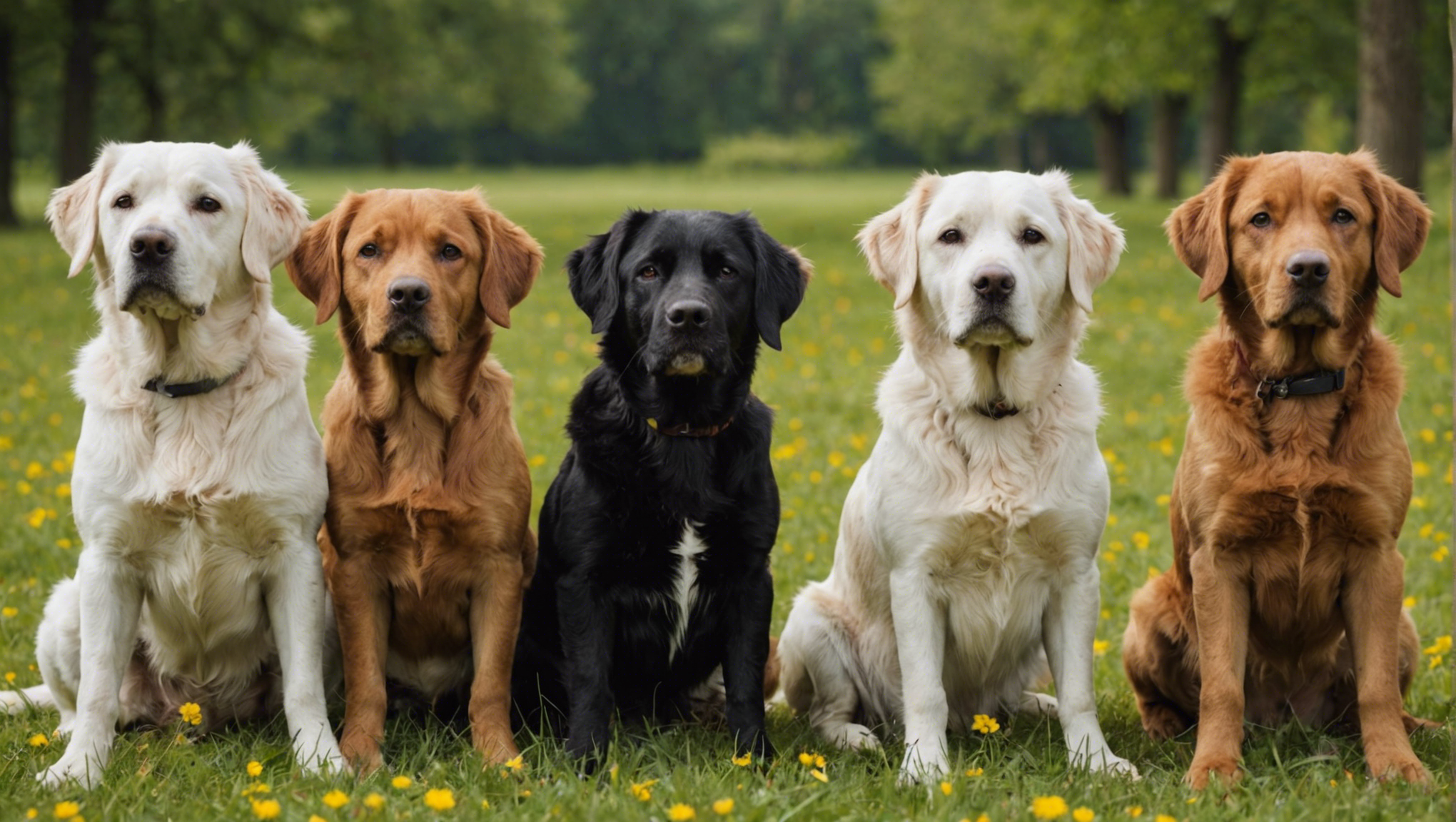
Are you allergic but love for our four-legged friends is stronger? Do not panic ! Explore the world of hypoallergenic dogs with us. How to add an adorable companion to your daily life while preserving your health? This is what we are going to discover together. Prepare for lovely surprises and an unforgettable meeting with the future member of your family.
Understanding Dog Allergy: Causes and Symptoms
Understanding Hypoallergenic Dogs
Hypoallergenic dogs are those which, due to their genetic characteristics, cause little or no allergies in humans. They are often an ideal option for people with allergies or asthma who still want to have a four-legged companion. Most of these dogs have a special coat that produces less dander and allergens. Among the breeds often considered hypoallergenic, we find the Yorkshire Terrier , THE Dachshund and the Golden retriever.
Causes of dog allergy
Dog allergies are caused by an immune system reaction to certain proteins found in dog saliva, urine, or dander (dead skin). The body, by recognizing these proteins as threats, triggers a defense process which manifests itself in allergic signs.
The majority of canine allergens are carried by the air. Affected people can then easily inhale them, which causes the allergic response. It is important to note that the allergy does not depend on the size of the dog. A small dog can potentially produce as many allergens as a large dog of a different breed.
Symptoms of dog allergy
Symptoms related to dog allergy vary depending on the severity of each individual’s allergy. They can appear immediately after contact with the dog or a few hours later. Among the most common symptoms are:
– Sneezing
– Runny or congested nose
– Red and watery eyes
– Rash
In more severe cases of allergies, symptoms may include hives, asthma, shortness of breath, or even anaphylactic shock, requiring emergency medical attention.
Living with a hypoallergenic dog
Living with a hypoallergenic dog can make a big difference in the pet ownership experience for someone with allergies. These dogs, due to their low production of allergens, allow their owners to enjoy their presence without suffering from allergy symptoms. That said, no one is truly completely immune to an allergy. It is therefore always advisable to approach a hypoallergenic dog with caution and to do allergen testing if you have a history of allergies.
FAQs
1. What causes dog allergies?
Dog allergies are caused by the immune system’s reaction to certain proteins found in dogs’ saliva, urine, or dead skin.
2. What are the symptoms of a dog allergy?
Symptoms vary, but generally include sneezing, runny or stuffy nose, red, watery eyes, and rash. More severe allergies can cause hives, asthma, shortness of breath or even anaphylactic shock.
3. Are there hypoallergenic dogs?
Yes, some dog breeds are called hypoallergenic, meaning they produce fewer allergens than other breeds. This may reduce the risk of allergies in sensitive people.
Hypoallergenic dog breeds: varied options for allergy sufferers
Understanding Hypoallergenic Dogs
Dog allergy is a problem that can limit some people in their desire to adopt a four-legged companion. However, there is a solution: hypoallergenic dogs. These dog breeds have a much lower likelihood of triggering allergic reactions.
What is a hypoallergenic dog?
A hypoallergenic dog is a breed that is less likely to cause allergies in sensitive individuals. There are no completely hypoallergenic breeds, but some are more suited than others to living with people with allergies. You should know that allergens are mainly found in the hair, saliva and dander (dead skin) of dogs. Some dogs produce fewer allergens than others, making them more tolerable for allergy sufferers.
The different breeds of hypoallergenic dogs
There are many breeds of hypoallergenic dogs. Here are some examples :
- The Yorkshire Terrier: It is a popular breed among allergy sufferers due to its coat which looks more like hair than traditional dog hair. These dogs do not have an undercoat, which can reduce the amount of allergens produced.
- The Dachshund: also known as the dachshund, it has a short coat which reduces the amount of allergens.
- The Golden Retriever: despite its long fur, it is often recommended as a hypoallergenic dog because it produces less dander than other breeds.
Genetic tests for greater certainty
Another option for allergy sufferers wishing to adopt a dog is to realize genetic testing on the dog before adoption. These tests can give you a better idea of how likely a dog is to trigger allergies. This can be especially helpful if you are allergic to certain types of dogs but not others.
FAQs
1. What dog breeds are recommended for people with allergies?
Yorkshire Terriers, Dachshunds and Golden Retrievers are among the most recommended breeds for allergy sufferers.
2. Does a hypoallergenic dog mean he won’t cause any allergies?
No, there are no completely hypoallergenic breeds. However, some breeds are less likely to cause allergies.
3. How do I know if I am allergic to a dog before adopting it?
Performing genetic testing on the dog before adoption can give you a better idea of how likely a dog is to trigger allergies.
How to choose your hypoallergenic dog: criteria and recommendations
Understanding Hypoallergenic Dogs
Adopting a dog is always a big decision, especially when you have allergies. The choice can be made easier by opting for hypoallergenic dogs. These are less likely to cause allergic reactions, making them ideal for sensitive people. However, it should be noted that no dog is completely hypoallergenic. The term only means that they are less likely to trigger allergic reactions.
Choosing the Right Hypoallergenic Dog
To choose the hypoallergenic dog that suits you, you must take several criteria into account. First of all, the dog character. Some hypoallergenic dogs, such as the Yorkshire Terrier or the Dachshund, are perfect for apartment life thanks to their small size. Additionally, they are also known for their calm temperament, which is ideal for an elderly person. On the other hand, if you have enough space, a Golden Retriever could also be a great option. These dogs are known for their gentleness and temperament suitable for older people.
Then, the ease of grooming of the dog is also an important criterion. Some hypoallergenic dogs require a lot of care for their coats. For example, the Yorkshire Terrier and the Dachshund require regular brushing to prevent their hair from falling out and causing possible allergic reactions. Always make sure you are able to provide them with proper care before adopting them.
Genetic Testing of Dogs Before Adoption
Finally, know that it is possible to make genetic testing on the dog before adoption. These tests will allow you to learn more about the animal’s health and characteristics, helping you make an informed decision. This is a good way to be sure that the dog you are about to adopt is a good fit for your situation.
FAQs
Q: Is it possible to avoid allergies completely by choosing a hypoallergenic dog?
A: No, unfortunately no dog is completely hypoallergenic. However, some dogs are less likely to cause allergic reactions than others.
Q: What is the best hypoallergenic dog for an elderly person living in an apartment?
A: The Yorkshire Terrier and Dachshund are often recommended for their small size and calm temperament. However, the choice will also depend on the person’s preferences and their ability to care for the dog.
Q: Is genetic testing really useful before adopting a hypoallergenic dog?
A: Yes, they can provide valuable information about the dog’s health and characteristics, which can help make an informed choice.
Managing dog allergies: advice and solutions for living peacefully with your companion
Understanding Hypoallergenic Dogs
The dogs said hypoallergenic are a valuable aid for those who are prone to allergic reactions. In reality, no dog is completely hypoallergenic, but some breeds are less likely to cause allergic reactions. These dogs tend to produce less hair and dander, two of the main allergy triggers in humans.
What are dog allergies?
Canine allergies are actually a reaction of our immune system to a foreign substance. These reactions can be caused by many things, such as pollen, dust mites or skin flakes. Symptoms can vary, from sneezing and itching to more serious problems such as asthma.
Hypoallergenic dog breeds
There are many breeds considered hypoallergenic, although their level of tolerance may vary from person to person. Among them, we can cite the Yorkshire Terrier, the Dachshund And the Golden Retriever. These dog breeds are known for their calm temperament and ease of care, making them excellent companions for someone who is older or lives alone.
Canine genetic testing
THE canine genetic testing can provide valuable information about a dog’s health. They can help you understand their breed, their genetic makeup, their risk of developing certain diseases, and sometimes even their behavior. Thus, carrying out a genetic test for a potentially hypoallergenic dog allows you to optimize compatibility with your compound and to approach adoption in an informed manner.
Managing a dog allergy
Living with a dog while managing an allergy isn’t always easy, but it can be made more manageable with a few tips.
– Firstly, it is essential to clean your home frequently to remove dog dander and hair.
-Second, brushing and bathing your dog regularly can help minimize the allergens they shed around the house.
– Finally, it may be helpful to regularly ventilate your home or invest in an air purifier to reduce the number of allergens in the air.
FAQs
1. What is a hypoallergenic dog?
There is no such thing as a completely hypoallergenic dog, but some dog breeds are known to cause fewer allergic reactions than others. These dogs tend to produce less hair and dander, which can trigger allergies.
2. What are the symptoms of a dog allergy?
Symptoms of a dog allergy may include sneezing, nasal congestion, coughing, itchy eyes or skin, and sometimes asthma.
3. How to deal with a dog allergy?
There are several ways to manage a dog allergy, including cleaning your home regularly to remove dander and hair, brushing and bathing your dog regularly to reduce allergens, and using an air purifier to reduce the quantity of allergens in the air.