


The size of the dog: a criterion not to be neglected?
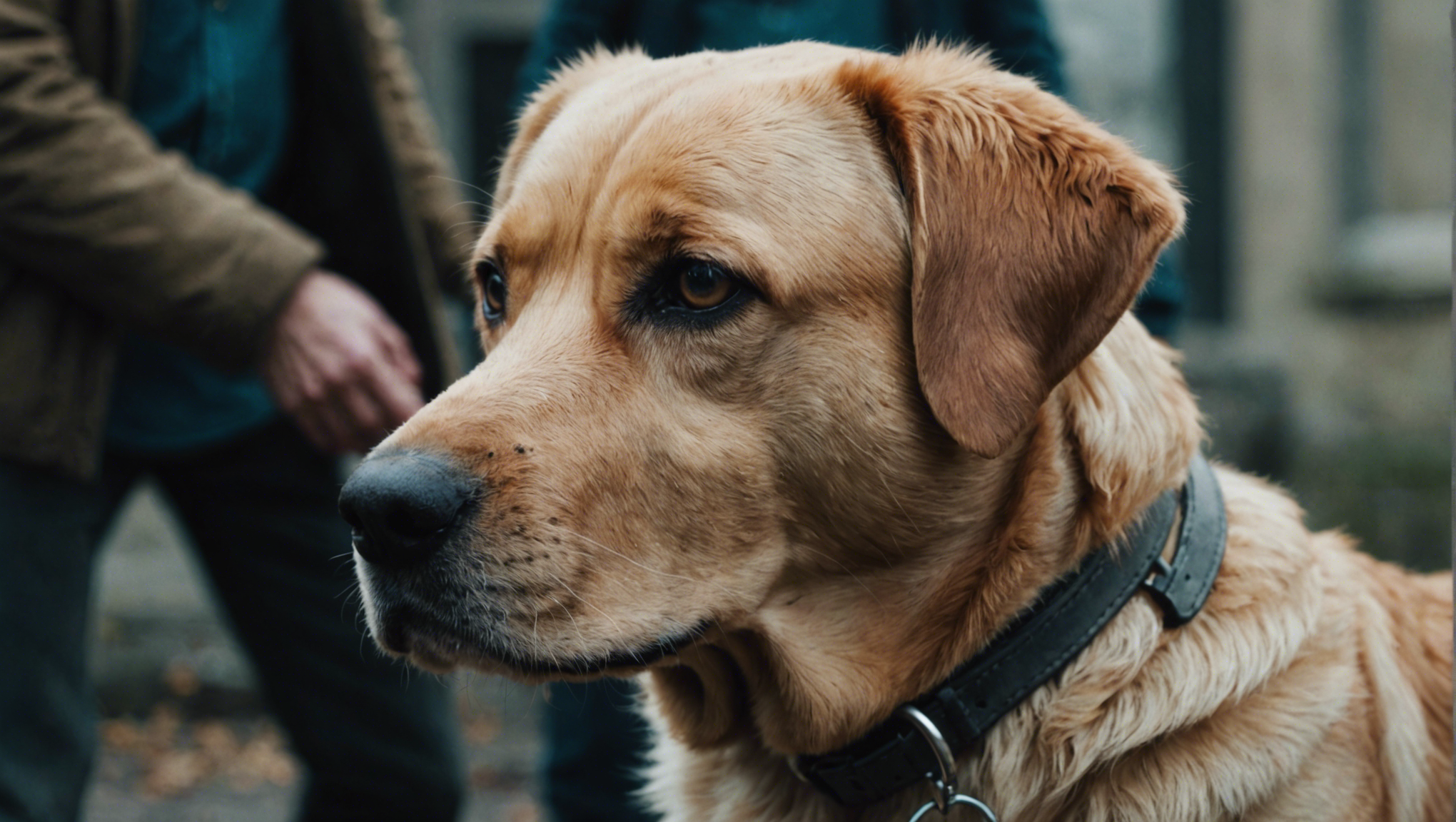
“Choosing a dog turns out to be an important commitment. More than just a companion, it is a true member of the family who will share your daily life for many years. Among the selection criteria, the size of the animal is an essential aspect to consider. Let’s take a closer look at the impact of this factor on your choice, to allow you to adopt the dog that will perfectly match your expectations and your lifestyle.
Understanding the importance of dog size
The importance of the dog’s size: An essential criterion
In the large canid family, we have a diversity of breeds and sizes. Small breed puppies like Yorkshire Terrier to the big Golden retriever, the choice is vast. However, it is important to understand that the size of the dog has a major influence on its longevity, character and lifestyle. The size factor should therefore not be taken lightly when adopting a dog.
The correlation between the size of the dog and its character
Contrary to what one might think, the size of the dog can have a direct impact on its character. In general, very small dogs are often energetic, dynamic and sometimes aggressive, while large dogs tend to be more calm and collected. However, every dog is unique and it is always better to know the individuality of each dog rather than relying solely on generalities. It is also important to note that education and training can modulate these character traits.
Size influences dog health
Another aspect to consider is the health of the dog. Generally speaking, small dogs tend to live longer than large dogs. This is partly because larger dogs age faster and are prone to more age-related health problems. Medium-sized dogs like Dachshund offer a good compromise in terms of longevity.
Size impacts lifestyle
Finally, the size of the dog can influence the lifestyle of the animal and its owner. Larger dogs require more exercise and space to move around. They also consume more food and potentially require more expensive health care. Furthermore, small dogs are more manageable and adapt better to life in an apartment.
FAQs
1. Can all dog breeds live in an apartment?
Every dog is unique, but in general, smaller breeds adapt better to apartment life. Larger dogs need space and exercise.
2. Are smaller dogs easier to train?
Ease of training depends more on the individuality of the dog and its breed than on its size. However, small dogs may be more energetic and require more attention and patience for training.
3. How to know the adult size of a puppy?
The adult size of a puppy depends on the breed. It is possible to get an idea by observing the parents or talking to the veterinarian or breeder.
The consequences of neglecting the size of the dog
Dogs are wonderful animals that provide love, loyalty and irreplaceable companionship. However, each breed of dog has its own characteristics and needs, which can have consequences if we underestimate the size that a puppy can reach as an adult. As the manager of a grooming center and a dog enthusiast, I often come across situations where owners have underestimated the size of their dog, and that’s why I decided to write this article to raise awareness on the subject.
The Reality of Dog Size
When you adopt a puppy, it’s easy to succumb to their small size and think they’ll stay that way forever. However, it must be understood that the puppy will grow and its adult size can be much larger than what we expect. For example, a puppy Golden retriever Or Dachshund may seem small and cute at first, but these breeds can grow to significant size as adults.
Consequences on daily life
Not to take into account the adult dog size, this may have significant impacts on daily life. For someone living in an apartment, for example, a large dog may feel cramped and develop behavioral problems.
Impact on the dog’s physical activity
Another point to consider is that each size dog requires a different exercise level. A large dog needs more physical activity than a small dog. Thus, an elderly owner or one with physical limitations may have difficulty meeting the exercise needs of a large dog.
Consequences on the dog’s health
Finally, underestimating the size of the dog can potentially lead to health problems. Indeed, many owners having underestimated the size of their dog, tend to overfeed it, which can lead to problems of overweight or obesity in the dog. Additionally, some larger dog breeds are genetically predisposed to certain diseases, and knowing your puppy’s possible size in advance can help you be prepared and take preventative measures.
Conclusion: Make an informed choice
In conclusion, it is essential to inform yourself about the potential size of your dog before adoption. Nothing can replace the joy of adopting a puppy, but it is necessary to take into account its future needs to ensure a good quality of life for your canine companion.
FAQs
1. How do I know the adult size of my puppy?
You can ask the breeder or adoption center to give you an estimate of the adult size of the puppy. Additionally, there are puppy size calculators online that can give you an estimate based on the breed and age of the puppy.
2. What are common problems in large dogs?
Large dogs can have problems with arthritis, hip dysplasia, heart problems and eye disorders. It is important to have your dog seen by a veterinarian regularly to detect and treat these problems.
3. How do I know if my apartment is big enough for a large dog?
A large dog needs space to move around and play. If you live in an apartment, it is recommended to choose a smaller or moderately large dog breed. However, some large dogs can adapt to life in an apartment, provided they benefit from regular and sufficient outings.
Take the size of the dog into account: how and why?
The impact of your dog’s size on his training
When we talk about training a dog, various factors come into play, and among them, the dog size. It undoubtedly plays a crucial role. For example, a large dog will require a slightly different type of training than a small dog. The latter often have a strong personality and can be more stubborn. It is important to educate them firmly, but always with respect.
Specific needs depending on the size of the dog
Depending on the size of your dog, this impacts its well-being and their daily needs. Small dogs, such as Yorkshire Terrier where the Dachshund, will have specific nutritional needs, smaller but more frequent portions. A larger dog like a Golden Retriever, with a calmer nature, will need regular physical and mental exercise to maintain their well-being.
Choose your dog based on its living environment
Another essential factor to consider when choosing a dog is the environment in which it will live. For an elderly person living in an apartment, opt for a breed of hypoallergenic dog and small size is a wise decision.
Using genetics to choose your dog
Today, more and more people are open to the idea of making genetic testing about their future dog in order to know more about its health and characteristics. This could help to choose a dog in accordance with its environment and its needs.
Frequently Asked Questions (FAQ)
How important is size in training a dog?
The size of the dog is an important factor in its training. A small dog will often have a strong personality, and you will need to know how to be assertive to impose limits on him, while a large dog will need adequate space to exercise physically.
How Does Dog Size Affect Their Daily Needs?
Depending on the size of the dog, its daily nutrition and exercise needs will be different. Small dogs will need more frequent meals but smaller portions, while larger dogs will need more intensive exercise.
What is a hypoallergenic dog?
Most people with allergies are not actually allergic to the dog itself, but to the allergens (kinds of proteins) present in saliva, urine and especially the dander (dead skin) that the animal sheds naturally. Hypoallergenic dogs are breeds that produce fewer of these allergens and therefore reduce the risk of allergic reactions.
The size of the dog in choosing a new companion
The importance of the size of the dog when adopting
When considering sharing your life with a dog, different factors come into play. If the temperament, character and breed of the animal are of course essential, the question of size must not be neglected. Effectively, choosing the size of the dog has a significant impact, both on the comfort of life of the future four-legged companion and that of its owner.
Choosing a large or small dog according to your lifestyle
When choosing to adopt, the first element to examine is the compatibility between your lifestyle and the animal you wish to adopt. It is precisely here that the dog size has all its importance.
For an elderly, dynamic person living alone, a small dog like the Yorkshire Terrier or Dachshund could be an ideal choice. Easy to care for, these dogs are perfectly suited to indoor life, particularly in apartments.
On the other hand, it is important to emphasize that their small size does not mean that they require less attention or resources in terms of education or energy expenditure. Despite their size, these breeds tend to be very energetic, and providing them with enough exercise and mental stimulation is crucial to their well-being.
Think about the maintenance and health of the animal
In addition to lifestyle, it is essential to consider the maintenance needs of each dog. Some breeds, such as Golden retriever, for example, require regular and careful grooming, despite their gentle character and their adaptability to an elderly person.
Regarding the health of the animal, today there are genetic testing which can help to know precisely the characteristics and potential diseases linked to the breed of the future companion. This precaution can be particularly useful for, for example, ensuring that the dog is hypoallergenic, an essential characteristic for people prone to allergies.
A question of love and compromise
Eventually, choose the size of your dog is about love and compromise. Each dog has its particularities, needs and attractions, regardless of their size. The key is to find the perfect balance between these elements and the needs and abilities of the person who is going to adopt it. In conclusion, whatever your choice, remember that adopting a dog represents a long-term commitment that requires responsibility and dedication.
FAQs
What size dog should I choose for an elderly person?
For an older person, a smaller dog might be a better choice, particularly if they live in an apartment. Breeds like the Yorkshire Terrier or Dachshund are often recommended.
Does a large dog require more maintenance than a small dog?
Not necessarily. All dogs, regardless of their size, need regular maintenance. Some large breeds, like the Golden Retriever, require frequent grooming.
Can we know the health characteristics of a dog before adoption?
Yes, thanks to genetic testing, it is possible to know the health characteristics of a dog as well as any diseases linked to its breed before adoption.