


Why and how to switch your dog to a vegetarian diet?

Does your dog really need to eat meat to be healthy and fit? Let’s discover together the advantages and challenges of switching to a vegetarian diet. How can you adapt your diet to meet your nutritional needs while preserving your well-being? Let’s turn the page to a new chapter in the life of your four-legged friend.
Understanding the motivations for a vegetarian diet in dogs
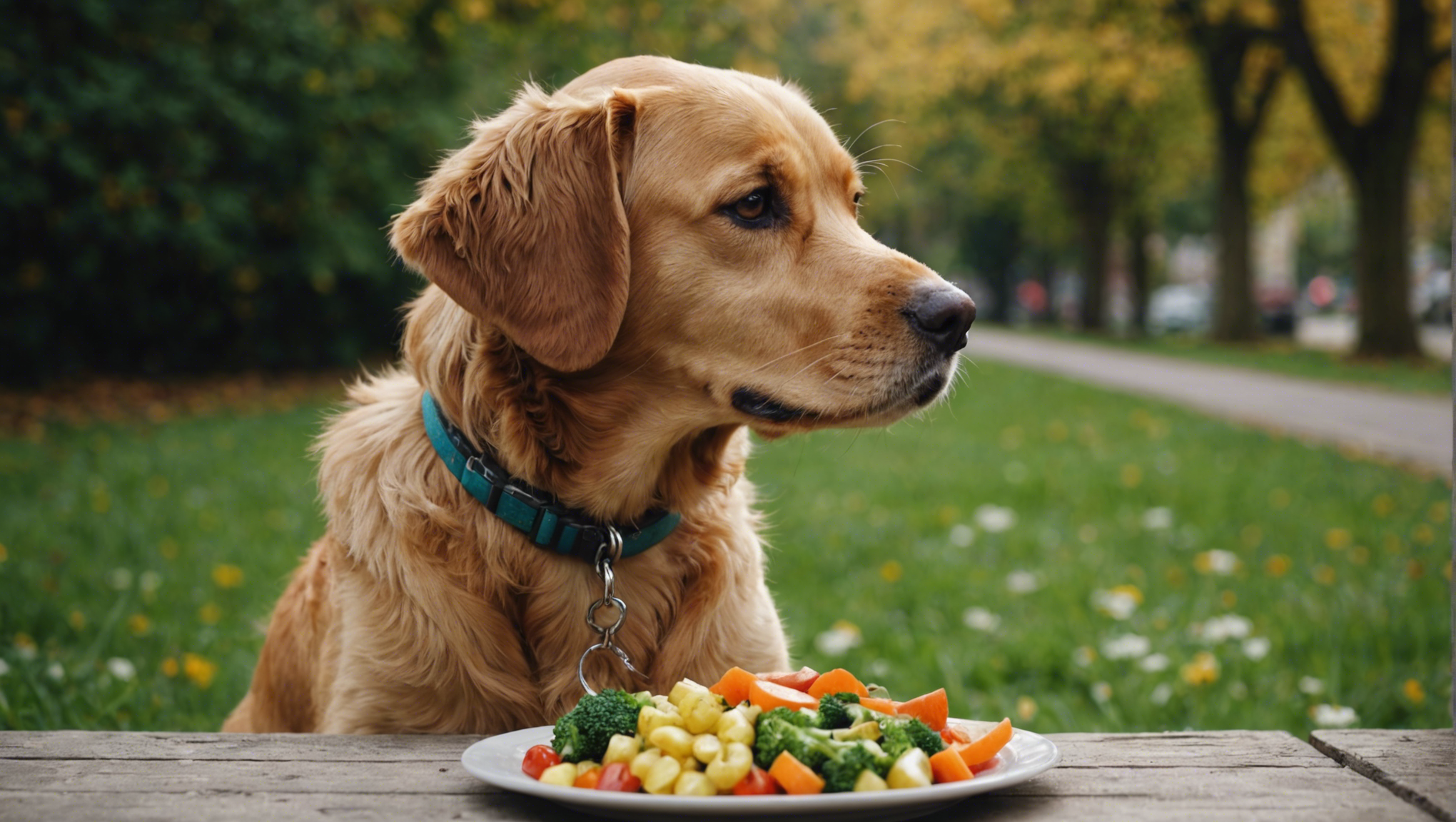
Why a vegetarian dog diet?
In the canine world, the question ofvegetarian diet for dogs is attracting more and more attention. To understand the motivations that push certain owners to choose such a diet for their animal, we must define its contours.
L’vegetarian diet for dogs does not include any animal proteins. It consists only of fruits, vegetables, cereals and legumes. Supporters of this form of nutrition argue that it would strengthen the health of the animal, preserve the environment and offer an ethical alternative to the meat industry.
Vegetarian dog food and animal health
A first motivation to opt for a vegetarian diet for dogs is namely the health of the animal. Several studies suggest that this diet can contribute to prevention of obesity in dogs by providing a low-fat, high-fiber diet. In addition, certain pathologies such as food allergies or skin problems appear less in dogs fed a vegetarian diet.
Ecological impact of vegetarian dog food
Another motivation relates to ecological concern. The meat industry is one of the biggest contributors to climate change. By choosing a vegetarian diet for their dog, owners help reduce the demand for meat, thus making a gesture in favor of the environment.
The ethical alternative to vegetarian dog food
Finally, the last motivation is of an ethical nature. Some owners, vegetarians or vegans themselves, do not wish to contribute to the meat industry which they consider to be contrary to their values. L’vegetarian diet for dogs then becomes an alternative that respects their commitment.
The specific nutritional needs of the dog
It is essential to remember that despite legitimate motivations, dogs are opportunistic carnivores. Its physical constitution is adapted to a mainly carnivorous diet. Therefore, it is essential to consult a veterinarian before adopting a vegetarian dog diet. This specialist will be able to assess whether this type of diet is suitable for your animal and will adapt the menu according to the specific needs of your companion.
FAQ
What are the benefits of a vegetarian dog diet?
A vegetarian dog diet can help prevent obesity, reduce symptoms of food allergies and certain skin problems. It also represents an ethical and ecological choice in the face of the meat industry.
Is a vegetarian diet suitable for all dogs?
No, not all dogs react the same way to a vegetarian diet. Some dogs can develop nutritional deficiencies if their diet is not properly balanced. It is essential to consult a veterinarian before making this choice.
Can dogs be healthy on a vegetarian diet?
Yes, they can be healthy if they receive a balanced diet under the watchful eye of a veterinary nutritionist. It is important to have your dog’s health checked regularly if you opt for such a diet.
What are the essential elements of a vegetarian dog diet?
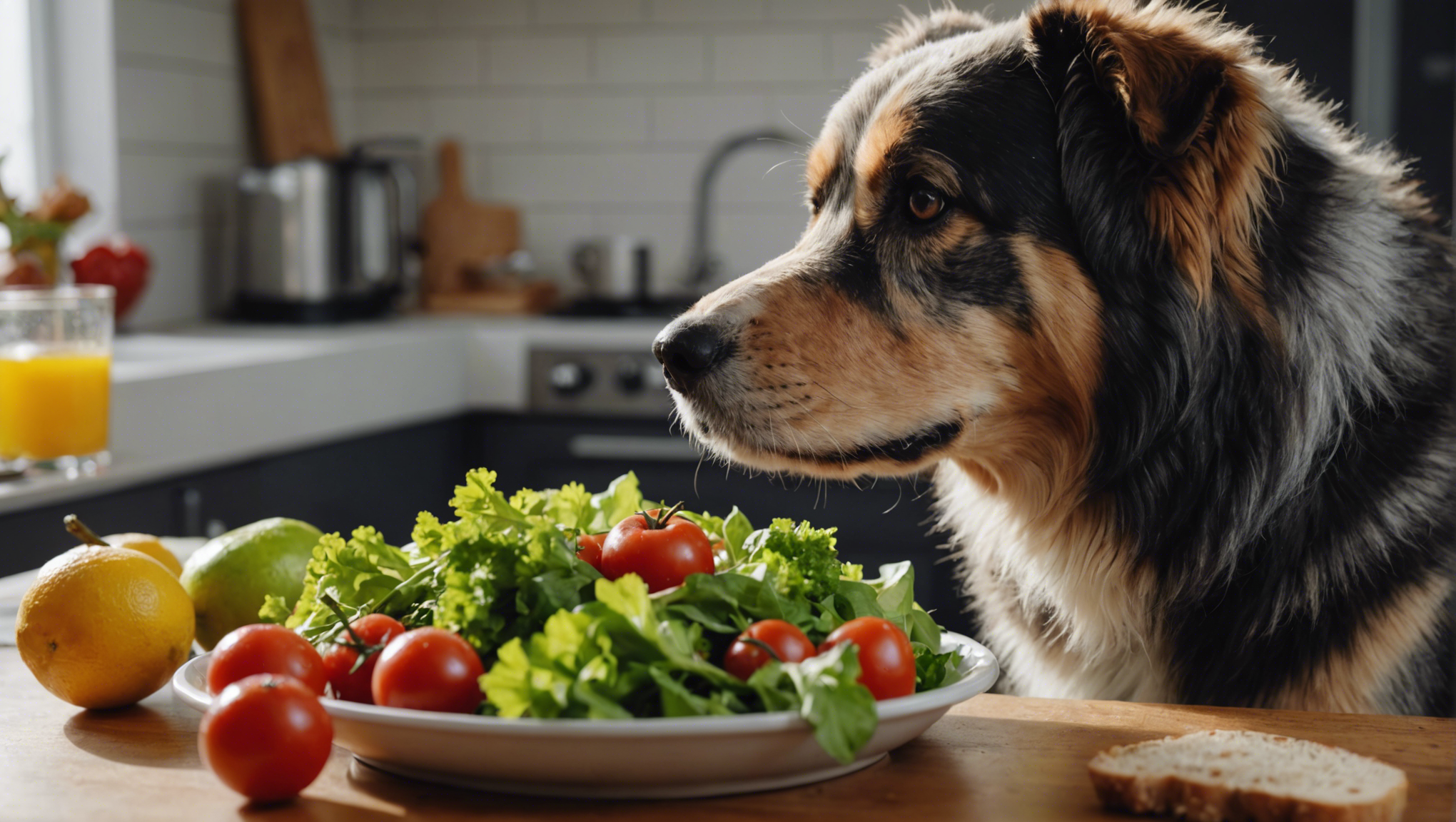
Understanding the importance of canine nutrition
Canine nutrition is a crucial area for the overall well-being and longevity of our four-legged friends. As more and more people adopt a vegetarian diet for themselves, it’s natural to wonder about the possibility of translating this diet to our canine companions. It is essential to understand that if a diet vegetarian can be beneficial for us humans, the specific needs of dogs should be taken into account.
Are dogs necessarily carnivores?
There is much debate surrounding whether dogs are strictly carnivores or whether they are omnivores. Technically, dogs are classified as carnivores, although they are biologically capable of digesting a variety of foods, including fruits and vegetables. However, their digestive system is optimized for a meat-based diet. Dogs can survive on a vegetarian diet, but it requires careful attention and planning to ensure they get all the nutrients necessary for their health.
How to structure a vegetarian dog diet
The highlight of a vegetarian dog diet is having a balance of protein, fiber, carbohydrates, vitamins and minerals. It is important to note that all plant foods are not suitable for our dogs. Some, like onions and garlic, can be toxic to them. It is advisable to incorporate vegetable proteins high quality, such as tofu, beans or lentils; of the fibers from green leafy vegetables and squash; and carbohydrates sweet potatoes or cooked cereals.
Food supplements for vegetarian dogs
One of the main challenges of a vegetarian diet for a dog concerns certain nutrients that are difficult to provide in adequate amounts without including meat in the diet. Taurine and L-carnitine, for example, are essential for the proper functioning of the heart and are mainly found in meat foods. Taurine and L-carnitine supplements are therefore often essential in a vegetarian dog diet.
Consult a veterinarian
Before changing your pet’s diet, it is absolutely essential to consult a veterinarian or canine nutrition expert. Each pet is unique and has nutritional needs that may vary based on age, weight, general health and activity level. A professional can help you develop a vegetarian diet plan tailored to your dog, ensuring all their nutritional needs are met.
FAQs
Is a vegetarian diet healthy for my dog?
Yes, a vegetarian diet can be healthy for your dog if it is well planned and balanced. It is recommended to consult a veterinarian or dog nutrition expert to ensure all of your dog’s nutritional needs are covered.
What are the advantages and disadvantages of a vegetarian diet for my dog?
The benefits of a vegetarian diet for your dog may include reduced food allergies and improved skin and coat condition. However, it can be difficult to meet all of your dog’s nutritional needs on an exclusively vegetarian diet, hence the need for dietary supplements and regular consultations with a veterinarian.
Can I feed my dog the same vegetarian diet as mine?
No, the nutritional needs of dogs are not the same as those of humans. Some foods that are healthy for us can be harmful to our dogs. It’s always best to have a specific plan for your dog’s diet, developed with the help of a veterinarian or dog nutrition expert.
Adapting your dog’s diet to vegetarianism: methodology and advice
For years there has been a growing awareness of the importance ofHealthy eating for the well-being of our dogs. Many pet owners, like their own lifestyle, have turned to vegetarian diets. However, this raises many questions, particularly about how to adapt your dog’s diet to vegetarianism. This article addresses this issue in depth.
The Basics of a Vegetarian Diet for a Dog
It is essential to note that a vegetarian diet for a dog differs considerably from that of a human. Dogs, although omnivores, are predominantly carnivorous and therefore their bodies are designed to digest meat. However, with the right strategy and careful monitoring, it is possible to feed your dog a vegetarian diet.
Adjust your dog’s food to a vegetarian diet
The first step is to understand that dog nutrition is complex and the transition to a vegetarian diet must be gradual and supervised by a professional. Your dog will need plant proteins, carbohydrates, fats, vitamins and minerals.
First, you need to determine the amount of food needed based on theage, weight and activity of your dog. Then, to replace animal proteins, turn to protein-rich plant ingredients like legumes, tofu, quinoa, chickpeas, etc.
For nutritional balance, remember to add healthy fats, carbohydrates and fiber using ingredients such as oats, brown rice, sweet potatoes, flax and coconut oil. In addition, the addition of food supplements may be necessary to address any potential vitamin and mineral deficiencies.
Specific nutrition for the dog’s vegetarian diet
Your dog’s vegetarian diet should take into account the specific nutrition for dogs. Indeed, certain nutrients, generally present in meat, are essential to your dog’s health. For example, taurine, an amino acid not found in plants, is crucial for dog heart health. So consider including taurine supplements in your pet’s diet.
Monitoring and adjustments
Lately, regular monitoring and adjustments are necessary to ensure your dog is receiving adequate nutrition with a vegetarian diet. Have your dog examined by a veterinarian on a regular basis to ensure that his diet still meets his nutritional needs.
Vegetarian Dog Food FAQs
1. Can a dog be healthy on a vegetarian diet?
Yes, a dog can be healthy on a vegetarian diet, but it requires careful planning and monitoring.
2. What are the main challenges of a vegetarian dog diet?
One of the main challenges of this diet is providing enough protein and nutrients which are usually obtained from meat.
3. Is it necessary to consult a veterinarian to switch my dog to a vegetarian diet?
Yes, it is strongly recommended to consult a veterinarian before making a major change in your dog’s diet. It can help you create a balanced meal plan and monitor your dog’s health during the transition.
Preventing possible deficiencies with a vegetarian dog diet
Understanding the Nutritional Needs of Dogs
THE dogs are opportunistic omnivores by nature, capable of extracting nutrients from various food sources, whether animal or plant. However, a dog’s digestive system is primarily adapted to processing meat-based foods. When it comes to adopting a vegetarian diet for your dog, it is crucial to understand that each animal has specific nutritional requirements that must be respected.
Vegetarian Dog Food: Benefits and Challenges
L’vegetarian diet for dogs certainly has benefits, such as the reduction of food allergies, kidney pathology, and urinary tract infections. However, the main challenge is the risk of deficiency in certain essential nutrients present mainly in foods of animal origin. Nutrients such as iron, vitamin B12, taurine, arachidonic acid and some proteins may be lacking in a vegetarian diet.
Preventing Nutritional Deficiencies in Vegetarian Dog Diets
For avoid nutritional deficiencies When adopting a vegetarian diet for your dog, it is important to consult a veterinary nutritionist. Here are some tips to avoid these deficiencies:
– Be sure to compensate for protein deficiencies with high-quality plant-based sources of protein, such as quinoa and lentils.
– For vitamin B12, which is not found in plants, look for appropriate dietary supplements.
– For iron, choose foods like spinach, lentils and other legumes.
– Talk to your veterinarian for appropriate supplements to provide your dog with arachidonic acid and taurine, which may be lacking in a vegetarian diet.
Regularly assess your dog’s health
It is imperative to have your dog examined regularly by a veterinarian during this transition to a vegetarian diet. Carefully monitor their general health, activity, behavior, weight, appetite and other indicators of their well-being.
FAQs
1. What are the risks of a vegetarian diet for a dog?
Potential risks of a vegetarian diet for dogs include deficiencies in essential nutrients like taurine, arachidonic acid, vitamin B12, iron, and certain proteins.
2. How do I know if my dog is getting all the nutrients he needs?
The best way to know if your dog is getting all the nutrients he needs is to have your dog examined regularly by a veterinarian during this transition to a vegetarian diet.
3. Can dogs really be vegetarians?
Yes, dogs can survive and even thrive on a well-balanced vegetarian diet. However, this requires careful planning and regular monitoring to avoid nutritional deficiencies.