


What fruits and vegetables are beneficial for your dog’s health?

Are you looking for new ways to preserve your dog’s health while providing him with a varied diet? This guide will reveal which fruits and vegetables can enrich your four-legged friend’s diet without compromising their well-being!
Fruits to promote for your dog’s health
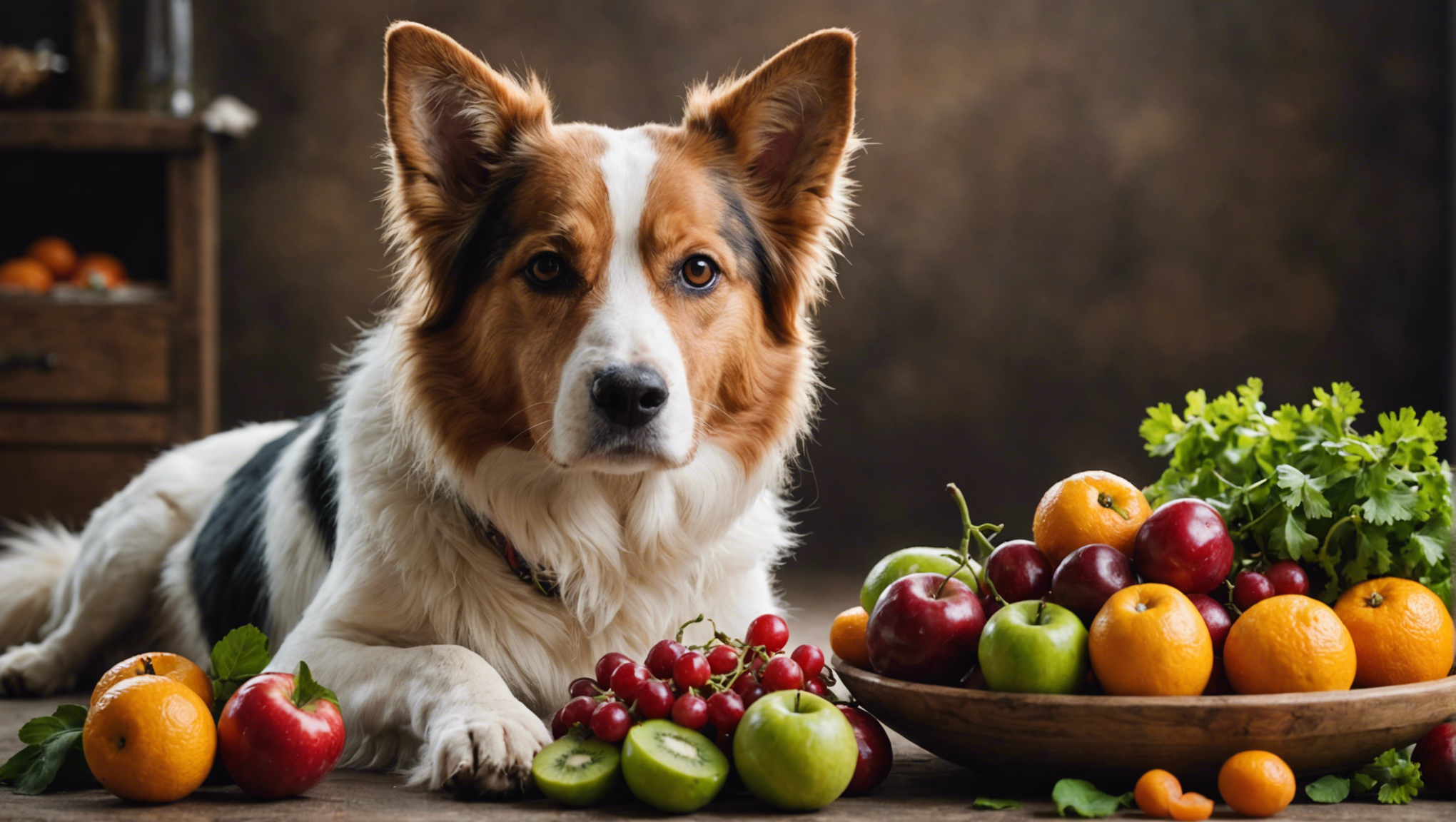
The importance of fruits in the canine diet
Feeding our dogs is a subject that is close to our hearts. Dogs are true members of the family, and their health is just as important as ours. It is essential to offer our companions a diet that is both tasty and nutritious.
Which fruits should you choose for your dog’s health?
There are a multitude of fruits that can benefit your dog’s health. These fruits not only bring new and exciting flavors, but also a slew of health benefits for your dog.
Promote the integration of fruits into the canine diet
Adding fruit to your dog’s diet will provide him with many essential nutrients. It’s a great way to supplement their diet while still giving them something tasty.
Fruits to choose for your dog
There are a multitude of fruits that you can include in your dog’s diet. Apples are an excellent source of vitamins A and C, as well as dietary fiber. Bananas are rich in potassium and vitamins B6 and C. Blueberries are an excellent source of antioxidants. Pears are beneficial for your dog’s heart health thanks to their potassium content.
How to include fruit in your dog’s diet?
It is essential to integrate fruits into your dog’s diet gradually. Start with small amounts, and gradually increase depending on your dog’s tolerance. You can give them as a reward, or include them in their meals.
FAQs
1. What fruits should my dog avoid?
Grapes, cherries, avocados and citrus fruits should be avoided as they can cause health problems for your dog.
2. Can my dog eat all fruit?
No, not all fruits are suitable for dogs. It is best to find out before giving it a new fruit.
3. How can I introduce fruit into my dog’s diet?
It is recommended to start slowly, introducing small amounts of fruit at a time. You can cut them into small pieces to aid digestion.
Vegetables recommended for dog food
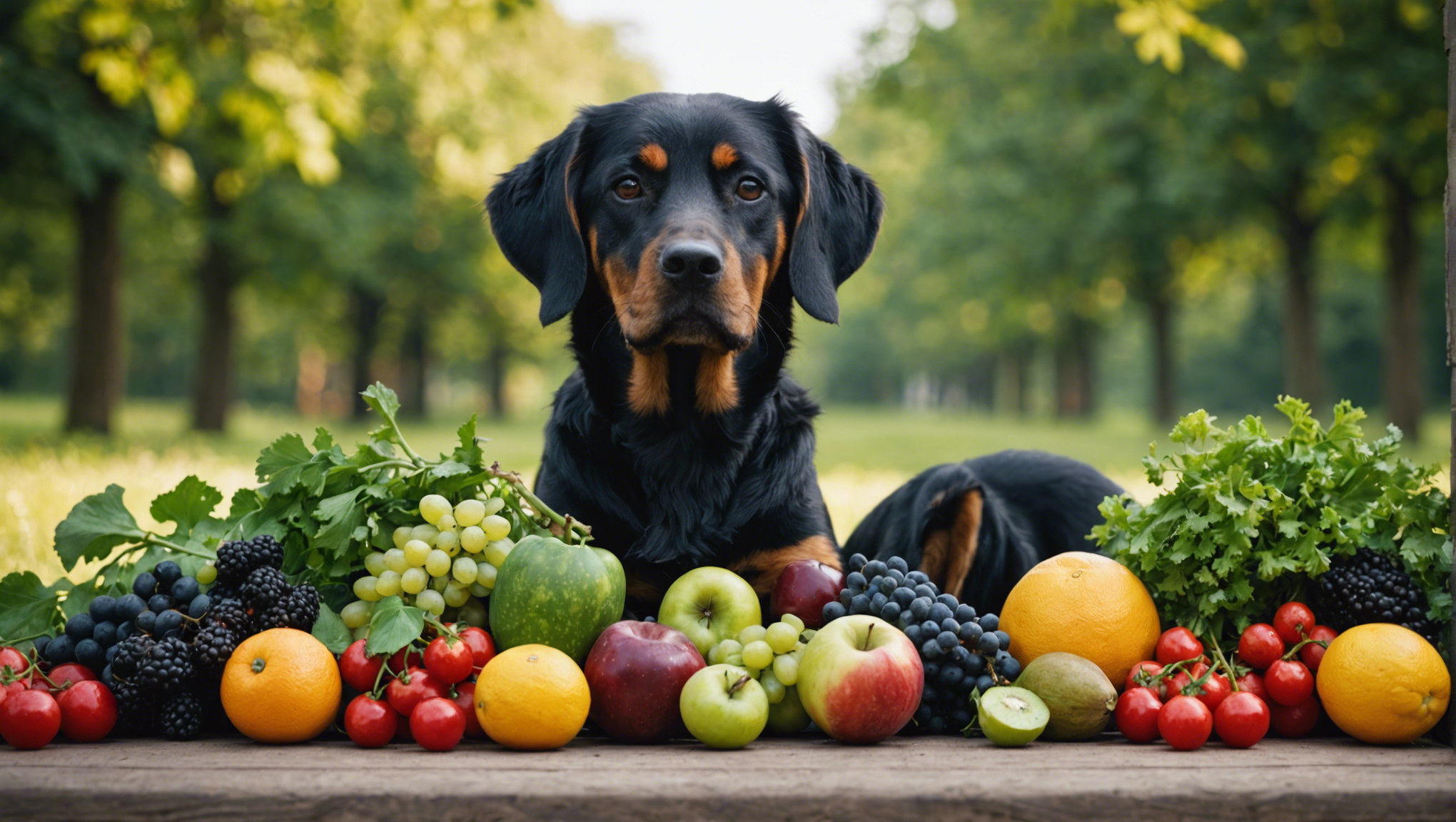
Understanding the importance of vegetables in the canine diet
As we become more aware of the importance of a healthy, balanced diet for our own lives, so do our four-legged friends. Vegetables are an essential source of nutrients, fiber and antioxidants. They perfectly complement our dogs’ diets and provide a variety of benefits for their overall health.
The benefits of vegetables for our canines
Including vegetables in our dogs’ diet not only improves the quality of their diet, but also helps maintain a healthy weight. The fiber found in vegetables allows for slower digestion, helping to prevent obesity in dogs. Furthermore, certain vegetables have anti-inflammatory properties and can help prevent certain diseases.
Which vegetables should you choose for your dog’s diet?
Not all vegetables are suitable for canine diets. Some can even be toxic to our four-legged friends. So it is essential to know which vegetables are safe for dogs. Recommended vegetables include:
- Carrots: They are rich in vitamin A and are also good for your dog’s dental health, acting like a natural toothbrush.
- Green beans: low in calories but high in vitamins, they are ideal for dogs who need to lose weight.
- Zucchini: they are an excellent source of fiber and hydration, essential for digestion.
- Spinach: rich in antioxidants and vitamins A, C and K, it is beneficial for the health of the immune system.
Preparation and dosage
Preparing vegetables is a crucial step because some can be difficult to digest when raw. Furthermore, it is important to vary the vegetables and monitor the portions to avoid an excess of certain nutrients. Consulting a veterinarian to determine the correct dosage based on your dog’s weight, age and physical activity is recommended.
FAQ:
1. Are all vegetables good for dogs?
No, not all vegetables are good for dogs. Some, like onions, can be toxic to our four-legged friends. It is therefore essential to find out before integrating a new vegetable into their diet.
2. Can dogs eat raw vegetables?
Some vegetables can be given raw, such as carrots, while others, such as spinach and zucchini, are best cooked to aid digestion.
3. How much vegetables should I give my dog?
The amount of vegetables to give your dog depends on his weight, age, breed and activity level. It is best to consult your veterinarian for specific recommendations for your dog.
How to include fruits and vegetables in your dog’s diet?
The importance of fruits and vegetables in the canine diet
For us humans, a diet rich in fruits and vegetables is synonymous with good health. But is it the same for our four-legged friends? What are the benefits of fruits and vegetables in the diet of dogs ? How to integrate them into their daily diet? Here are practical tips and suggestions to achieve this.
The benefits of fruits and vegetables for dogs
Fruits and vegetables provide many vitamins, fibers, and minerals essential for the well-being of our furry companions. A varied and balanced diet is the key to preventing many obesity-related diseases and improving the quality of life of our furry companions. It should be noted, however, that not all fruits and vegetables are suitable for dogs – you need to know which ones to include in their diet.
Which fruits and vegetables to favor?
From beneficial fruits for dogs, we find apples, bananas, pears, blueberries and oranges. These fruits, rich in vitamins and minerals, help boost your dog’s immunity.
Regarding the vegetables, favor carrots, green beans, spinach, pumpkin and broccoli. They provide fiber which promotes good digestion.
How to introduce them into our dogs’ diet?
The introduction of fruits and vegetables into your dog’s diet must be done gradually to allow his digestive system to adapt. Start by incorporating small amounts into your regular diet. You can use fruits and vegetables as healthy treats during training sessions or between meals.
Fruits and vegetables: watch out for excesses and contraindications
Despite their benefits, certain fruits and vegetables should be avoided in your dog’s diet. Grapes, for example, can cause kidney failure and even be fatal for some dogs. Onions and garlic are also toxic to dogs. Finally, you should avoid giving fruits with seeds, such as cherries, because the seeds can cause intestinal blockages.
FAQs
What fruits are toxic to dogs?
Grapes, avocados and macadamia nuts can be toxic to dogs.
Can you give raw vegetables to a dog?
Yes, but some vegetables like carrots or green beans may be better absorbed if cooked.
How much fruit and vegetables should you give your dog?
Fruits and vegetables should make up around 10% of your dog’s total diet, while the rest should be proteins and grains.
Precautions to Take When Introducing Fruits and Vegetables into Your Dog’s Diet
The need for a varied diet for your dog
Inasmuch as responsible dog owner And animal lover, it seems imperative to guarantee your four-legged companion a balanced and diversified diet. This balance not only lies in proteins, carbohydrates and good fats, but is also found in vitamin and mineral intake from fruits and vegetables. However, integrating these into your dog’s daily diet requires real knowledge and specific precautions.
Choosing fruits and vegetables for your dog
Although integrating fruits and vegetables into your dog’s diet seems like an excellent idea, you must nevertheless be careful to avoid some of them which can be toxic to your furry best friend. It is essential to understand that not all fruits and vegetables are beneficial to your dog’s health. Onions, garlic and grapes should be avoided. However, fruits such as bananas and apples or vegetables such as carrots and spinach can be carefully integrated into your daily diet.
Methods for introducing fruits and vegetables
A gradual introduction of fruits and vegetables must be carried out over several days or even several weeks, depending on the weight and size of your dog. Start with a small amount so that your pet’s digestive system can adapt to this new diet.
It is important to vary fruits and vegetables in order to offer your dog a diversified diet. However, it will be necessary to observe your animal’s reactions and its ability to digest each food. Never forget to wash fruits and vegetables well and peel them if necessary, in order to remove pesticide residues.
How to integrate fruits and vegetables into your daily diet?
The ideal would be to offer to your dog fruits and vegetables cooked in water without salt, in order to preserve all their nutrients. You can also choose to include them cut into small raw pieces in your bowl or to make a puree.
Importance of consulting your veterinarian
As each dog is unique, it is advisable to consult your veterinarian before making these dietary changes. Your veterinarian will be able to help you establish a diet adapted to the state of health and physical activity of your animal.
FAQs
1. What fruits and vegetables are dangerous for my dog?
Grapes and onions are particularly toxic to dogs and can cause serious harm to your pet.
2. Should I cook fruits and vegetables for my dog?
It is recommended to cook fruits and vegetables in water without salt to preserve their nutrients. However, some fruits and vegetables can be offered raw, cut into small pieces.
3. How much fruit and vegetables should I give my dog?
The quantity varies depending on the weight and size of the dog. It is recommended to contact your veterinarian for advice tailored to your pet.