


Do you have to follow a regular schedule to feed your dog?

Understanding the regularity of your dog’s diet is more than a matter of clockwork. Find out how to create a tailored diet that meets your four-legged friend’s nutritional needs while preventing obesity. From meal frequency, to fermented foods, to intermittent fasting for dogs, dive into a world of possibilities to ensure the health and well-being of your faithful friend.
Why is it important to give your dog regular meals?

The importance of regular meals for dogs
Like us humans, our four-legged friends also benefit from regular meals. Indeed, food plays an essential role in the overall health of our dogs. A well-balanced diet and consistent eating routine not only improves their overall health, but also helps prevent certain lifestyle diseases, such as obesity.
Discerning the dietary needs of dogs
Let’s dive in: What are the nutritional needs of our dogs? Just like humans, dogs need a well-balanced mix of proteins, carbohydrates, fats, vitamins and minerals. This diet will help support their immune system and maintain their energy. It’s also crucial to consider your dog’s age, size, breed and physical activity when determining their dietary needs.
Feeding schedule: a key factor
Establishing a consistent feeding schedule goes far beyond just feeding your dog at set times. This contributes to the physical and emotional stability of your pet. For example, a dog fed at regular times will have more predictable bowel movements, which will make it easier to potty train. Additionally, a stable schedule can also help manage eating behaviors, preventing problems such as bingeing or food anxiety.
Feeding Gap: The Danger of Random Fasting
Two words of warning: beware of irregular eating intervals! Random fasting or an irregular meal regimen can lead to serious health problems in dogs, including gastrointestinal disturbances, increased anxiety, and in rare cases, a dangerous condition known as stomach torsion.
Facing the challenge: the ideal body weight
The journey towards a healthy and balanced diet would not be complete without taking into consideration the ideal body weight of your dog. Overweight and obesity have become common problems among dogs, especially in their old age. By keeping an eye on the scale and adjusting your pet’s diet and physical activity accordingly, you are taking a huge preventative step to ensure the health and well-being of your four-legged friend.
FAQs
When is the ideal time to feed a dog?
There is no “best” time to feed a dog as it depends on your and your dog’s daily routine. However, it is recommended to keep a consistent feeding schedule.
How many meals should a dog get per day?
In general, most dogs should be fed twice a day – once in the morning and once in the evening. Puppies and certain breeds may require more frequent feedings.
My dog skips meals. Should I be worried?
If your dog skips a meal occasionally and his behavior and appetite remain normal, there should be no cause for concern. However, if the dog continues to refuse to eat, it is advisable to consult a veterinarian.
Let’s keep in mind that every dog is unique. For this reason, it is always best to consult your veterinarian to discuss your dog’s specific dietary needs.
The risks of not feeding your dog at the same time
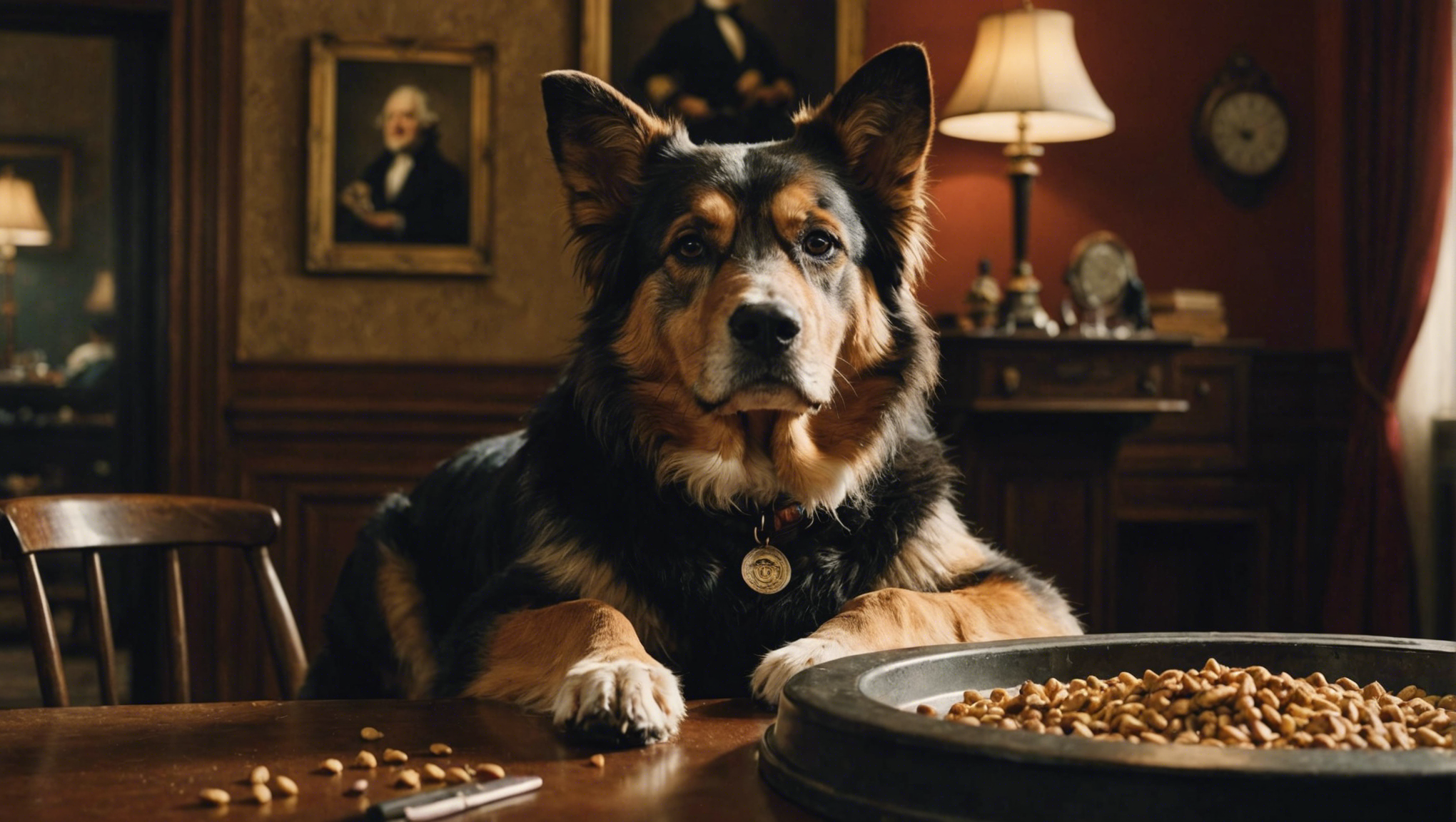
Why is it essential to stick to a feeding schedule for a dog?
Feeding our dogs may seem like a simple task, but did you know that sticking to a proper feeding schedule is critically important to their overall health? In fact, the regular feeding times promote a daily routine that can help prevent digestive problems, maintain a healthy weight, and improve your dog’s behavior. By following this practice, you are able to meet your pet’s nutritional needs while providing a more structured and secure environment.
How to better manage your dog’s feeding schedule
It would be ideal to give your dog two meals a day, one in the morning and the other in the evening. This helps avoid long periods of fasting, which can cause gastrointestinal upset. Therefore, you should distribute calorie intake and nutrients according to your dog’s needs. In addition, it is also crucial to observe your dog’s reactions to these feeding times to ensure that they suit him.
The benefits of a regular feeding schedule for your dog
Following a regular meal schedule has several benefits for our four-legged friends:
1. Weight regulation: a meal at fixed times helps control your dog’s weight. It also helps prevent serious health problems like obesity.
2. Good digestion: A regular schedule facilitates healthy digestion and reduces the risk of gastrointestinal problems.
3. Behavior: Regular meals can contribute to calm behavior and reduce your dog’s anxiety. He knows when to wait for his meal, which reduces stress and uncertainty.
It is clear that respect for a feeding schedule Proper is not only beneficial, but also essential for your dog’s health and well-being. Feeding your dog on a schedule also allows you to quickly spot any behavioral or health changes that may require veterinary attention.
FAQs
1. When is the best time to feed my dog?
– It is generally recommended to feed your dog twice a day, once in the morning and once in the evening.
2. How often should I feed a puppy?
– It is advisable to feed a puppy four times a day until the age of three months, then gradually reduce to three, then two meals per day.
3. My dog always seems to be hungry. What should I do ?
– If your dog still seems hungry, consult your veterinarian. This may indicate an underlying health problem or just that he needs more food to meet his caloric needs.
How to set a meal schedule for your dog?
The importance of a regular meal schedule for a dog
For us humans, having a regular meal schedule helps maintain a healthy metabolism and consistent energy levels throughout the day. The same goes for our four-legged companions, the dogs. A regular meal schedule not only helps minimize the risk of weight gain, but also prevents diabetes and digestive disorders.
Having dynamic and sometimes stressful lifestyles, it can be tempting to give your dog his meals according to our own schedule, without taking into account his specific needs. However, this approach can have harmful consequences on the health of your best friend. Indeed, it is essential to respect their biological rhythm to ensure their well-being and good health.
How to establish a meal schedule for your dog?
The first rule to follow when defining a meal schedule for your dog is regularity. Indeed, our four-legged friends are habitual animals who appreciate routine. You must therefore define fixed times for their meals, every day.
Here are some essential steps to developing a meal schedule that works for your dog:
1. Consider your dog’s age, breed, and size: Puppies generally need to eat three to four times a day, while adult dogs only need two meals a day.
2. Adapt the food ration according to your dog’s weight and physical activity: A sporting dog will have greater nutritional needs than a sedentary dog.
3. Try to give the first meal in the early hours of the morning and the last before 6 p.m., to allow good digestion before sleep.
4. Feed large but balanced meals: Avoid overfeeding to avoid obesity and related health problems.
The benefits of a regular meal schedule for a dog
A regular meal schedule for a dog offers many benefits. It allows better control of your dog’s weight, improves its digestion and reduces the risk of eating disorders. In addition, regular meals help create a routine that reassures the dog and strengthens the bond between the owner and his animal. Finally, it can also be a great way to control medication intake if necessary.
FAQs
1. How many times a day should I feed my dog?
The frequency of meals depends on the age, size and physical activity of your dog. Generally, a puppy should be fed three to four times a day, while for an adult dog, two meals a day is enough.
2. What does a regular meal schedule do for my dog?
A regular meal schedule allows for better weight control, better digestion and the prevention of eating disorders in your dog.
3. How do I set a meal schedule for my dog?
To establish a meal schedule, take into account the age, breed, and size of your dog. Then adapt the food intake to their weight and physical activity. Finally, give meals at set times to establish a routine.
Impact of irregular schedules on dog health
The Importance of a Regular Feeding Schedule for Dogs
Regularity is of crucial importance for the general health and well-being of our four-legged friends. Register our dogs in a feeding schedule Regular intake is not only essential for maintaining their digestive health, but also for supporting their circadian rhythm, or internal clock.
Just like humans, dogs benefit from a stable routine and they thrive when they know what to expect. Therefore, a regular feeding schedule is essential for their physical condition and mental well-being.
Consequences of an irregular feeding schedule on dog health
If a dog is fed at irregular times, this can have several negative impacts on his health.
1. Poor Digestion: An irregular feeding schedule can disrupt the dog’s digestive system and lead to various problems such as vomiting, diarrhea and lack of appetite.
2. Obesity: Irregular meals can lead to overeating when the dog is unsure of the next time it will be fed. This can lead to obesity, a growing weight problem in dogs.
3. Disturbed behavior: An irregular feeding schedule can also disrupt the dog’s behavior. This can include agitation, anxiety, and sometimes even aggression.
Stop at irregular feeding times
Fortunately, there are solutions to help you stabilize thefeeding schedule for your dog.
1. Use an alarm: Using an alarm can help you remember to feed your dog at set times.
2. Prepare meals in advance: Preparing meals in advance can help maintain a regular feeding schedule, especially when you have a busy schedule.
3. Talk to your vet: Your veterinarian will be able to give you advice tailored to the age, size, weight and breed of your dog.
FAQs
1. How many times a day should a dog be fed?
In general, an adult dog should be fed twice a day, but this is not a strict rule. Feeding frequency may vary depending on your dog’s age, size, breed and health status. For a diet suitable for your dog, consult your veterinarian.
2. When is the best time to feed my dog?
Most dog owners opt for one meal in the morning and one meal in the evening. However, the most appropriate time depends on your schedule and your dog’s needs and preferences.
3. Can an irregular feeding schedule stress my dog?
Yes, an irregular feeding schedule can cause anxiety in your dog. Dogs thrive on routine, which is why it’s so important to maintain a regular feeding schedule.