


How to ensure a long and healthy life for your dog with preventative care?

Helping your faithful canine companion live a long and healthy life is a goal that every dog owner shares. Adopting targeted preventive care can be a big help in achieving this. I invite you to discover in this article how to take care of the health of your four-legged friend in order to optimize their well-being and extend their longevity.
The importance of regular visits to the veterinarian
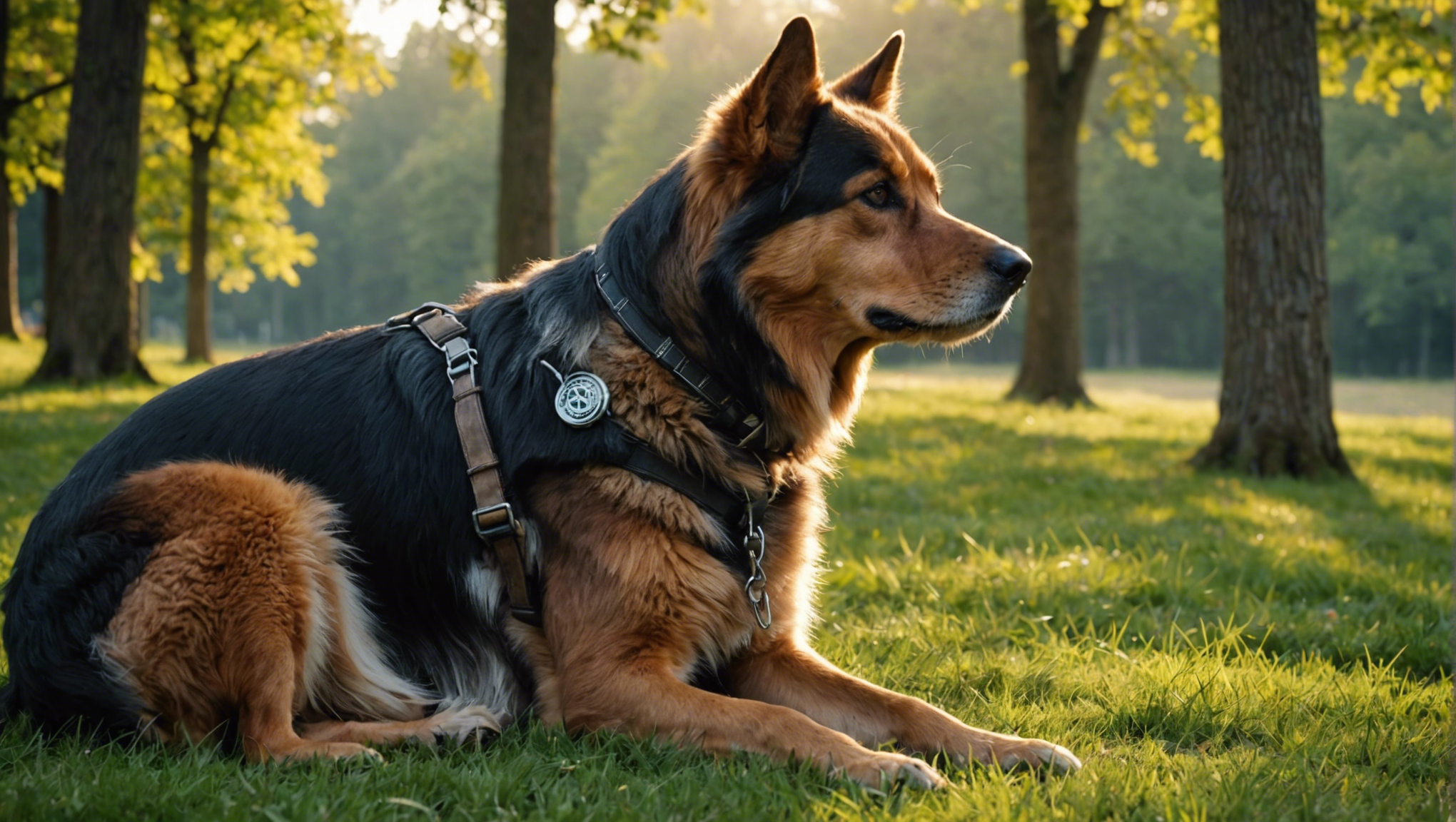
Whether you’re a new dog owner or have been lucky enough to share your life with a canine companion for years, one thing is clear: our responsibility to our four-legged friends is immense. One of them is their health and well-being, which is inextricably linked to regular visits to the veterinarian for preventative care.
Your dog’s health: a major concern
Dogs are not just pets, they are our confidants, our partners in life, in sport and sometimes our saviors. From the smallest puppy to the oldest dog, everyone needs special attention. This first goes through a healthy and balanced diet, but also through physical exercise and appropriate medical care. Veterinary monitoring from an early age is crucial in the prevention of many diseases in dogs.
Prevention rather than cure
As the saying goes, prevention is better than cure. THE regular visits to the veterinarian make it possible to prevent and act in advance on health problems which can often be avoided. These regular consultations make it possible to monitor the dog’s weight, identify possible skin problems, carry out vaccinations and assess the dog’s general state of health. Additionally, your veterinarian can advise you on new approaches to care, such as adding nutritional supplements to your dog’s diet or introducing fermented foods.
Visits to the veterinarian: more than a necessity
Regular visits to the veterinarian are not just a must, they are the key to ensuring a long and healthy life for your canine companion. These tours provide a unique opportunity to ask questions, address concerns and learn from animal health experts. Likewise, the veterinarian can identify signs of genetic or hereditary diseases, internal and external parasites, and even behavioral problems.
Ultimately, regular vet visits and preventative dog care help strengthen the unique bond between a dog and its owner.
FAQs
1. How often should I take my dog to the vet for a regular checkup?
At a minimum, a visit to the veterinarian is recommended once a year. However, for puppies, pregnant dogs or older dogs, these visits may be more frequent.
2. What does the veterinarian do during a routine visit?
The veterinarian usually performs a complete physical exam, which includes checking weight, monitoring for skin problems, examining teeth and gums, and evaluating the dog’s overall behavior. He may also recommend vaccinations.
3. My dog seems healthy, why should I always take him to the vet?
Even seemingly healthy dogs can have underlying health problems. A regular visit to the veterinarian allows these problems to be detected in advance and appropriate treatment to be implemented if necessary.
The benefits of daily physical exercise for your dog
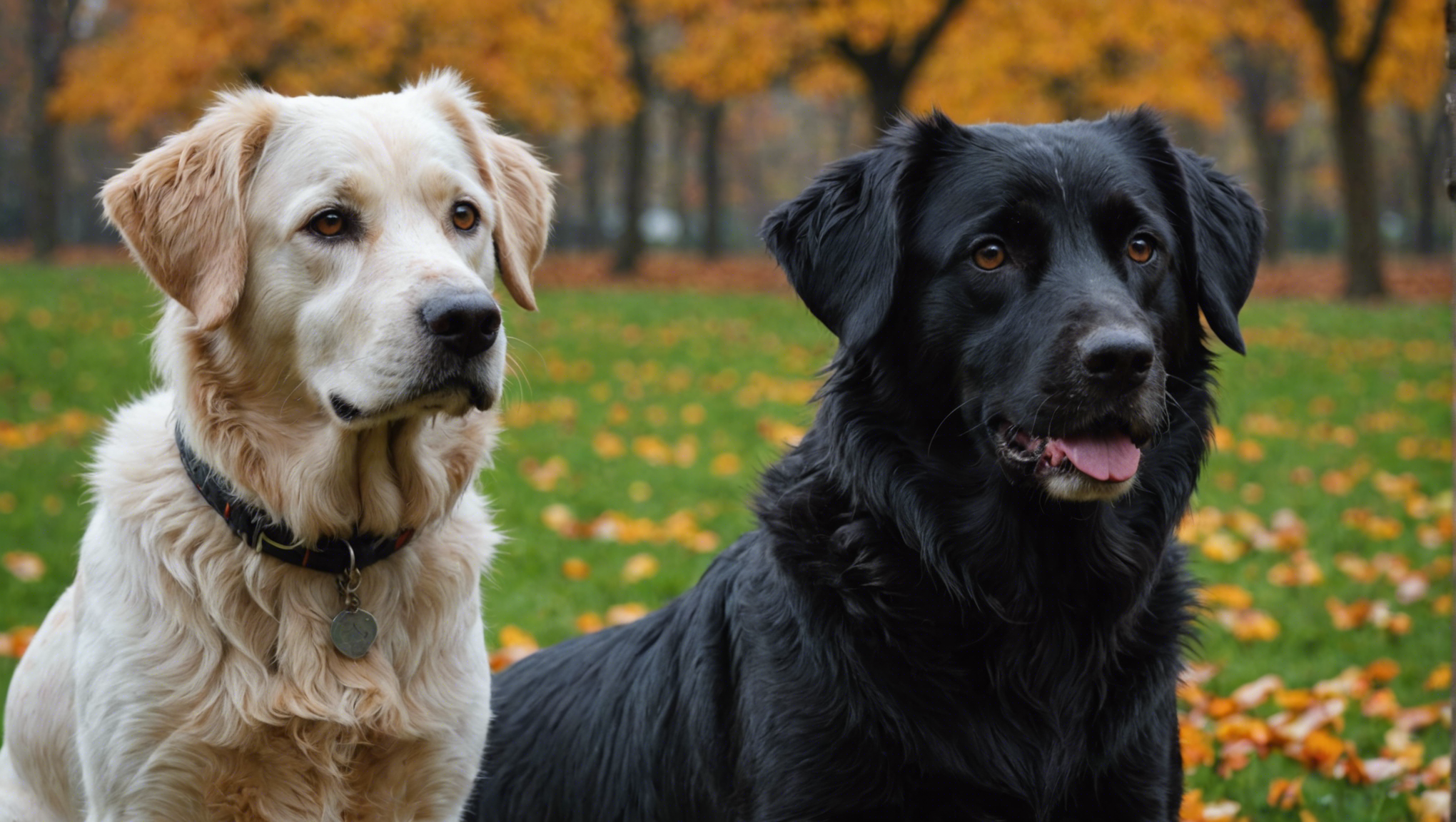
A basic necessity: daily physical exercise for your dog
Your four-legged companion is a living being who needs movement to maintain his well-being. Regular physical activity is beneficial for your dog on many points. In constant concern for your animal and its health, you will undoubtedly wonder what these benefits are. Daily physical exercise is an essential element in your dog’s life to ensure his longevity and good health.
Strengthening the immune system and preventing obesity
Opt for one regular physical activity is a great way to boost your dog’s immune system. This helps to strengthen its natural defenses and prevent many diseases. At the same time, daily exercise prevents obesity, a very recurring problem in dogs. It helps to burn calories and maintain a stable and healthy weight, an essential element in avoiding the onset of chronic diseases.
Improving your dog’s mental health
Besides improving physical health, physical activity also has a positive impact on your dog’s mental health. It helps avoid stress, boredom and destructive behavior. It also stimulates your dog’s intelligence and promotes better concentration. Note that this mental stimulation is also done through games which are exercises in their own right, while still being fun.
Strengthening the bond with your dog and socialization
Another significant benefit is the strengthening of the bond between you and your companion. During physical activity, your dog develops a closeness with you, reinforcing the feeling of trust. In addition, these shared moments promote the socialization of your dog with other animals and people, which would have a positive impact on his behavior.
FAQs
1. What types of physical exercises can you practice with your dog?
There are various physical activities that you can do with your dog, such as walking, running, playing ball, swimming, and many more.
2. How much time should I devote to exercising my dog daily?
The time required varies depending on the breed, age and state of health of your dog. However, it is recommended to allow at least 30 minutes to an hour per day to physical exercises.
3. My dog is old, does he still need to exercise?
Even as a dog gets older, it still needs physical activity. However, these exercises must be adapted to your age and state of health. It is therefore recommended to seek the advice of a veterinarian.
Balanced diet: the key to canine health
Why is a balanced diet essential for dogs?
It is commonly accepted that we are what we eat, and the same goes for our canine friends. L’food of a dog has a direct impact on its health and longevity. Nutritional deficiencies or, conversely, excess food intake can cause serious health problems, including overweight or theobesity. This is why it is essential to pay careful attention to the dog’s nutritional balance.
On the other hand, thebalanced diet helps keep the dog’s immune system healthy. It helps increase one’s resistance to infections and diseases and prevents various common health symptoms linked to an unbalanced diet, such as irritability, inactivity, skin problems, breathing problems and bad breath.
What does a balanced diet for a dog include?
A balanced diet for dogs is composed of several key elements:
– THE proteins : They are essential for the growth and maintenance of muscle strength in dogs. Which are found in large quantities in meat and fish.
– THE carbohydrates : They provide the energy necessary for the dog’s daily activity.
– THE fibers : They promote good digestion and help with weight management.
– THE vitamins and minerals : They are essential for the proper functioning of the animal’s body.
The intake of these nutrients should be balanced and proportional to the needs of each dog, taking into account its age, breed, size and level of physical activity.
How to avoid obesity in dogs through proper nutrition?
L’obesity in dogs, as in humans, is often the result of an imbalance between the amount of energy consumed and that expended. To prevent obesity, it is essential to moderate daily food portions and promote the consumption of low-fat foods. Furthermore, regular meals and regular exercise help maintain the dog’s ideal weight.
The importance of preventative care for dogs
Whether for their diet or their care, prevention plays a major role in the health of dogs. In fact, a regular treatment of nutritional supplements can help avoid possible deficiencies and prevent the onset of certain diseases. In addition, regular veterinary checkups are essential to keep an eye on your dog’s health and quickly detect possible problems.
FAQs
1. How much food should my dog eat each day?
The amount of food depends on several factors, including your dog’s age, size, weight and activity level. A veterinarian or a canine nutrition professional will be able to give you precise instructions.
2. Can my dog eat fermented foods?
Certain fermented foods, like yogurt or certain types of cheese, can benefit your dog’s health in moderation. They contain probiotics which promote good digestion.
3. What are the signs of malnutrition in dogs?
A dull, brittle coat, abnormal stools, reduced energy, unstable weight, or weakened immune resistance can all be signs of malnutrition in dogs. If you observe any of these symptoms, consult a veterinarian promptly.
Preventing parasites to prolong your pet’s life
Understanding the importance of parasites in the lives of dogs
Parasites, these small microscopic beings, threaten the health and well-being of our dogs. Fleas, ticks, intestinal worms are all scourges that can have a significant impact on the health of your animal. Left untreated, they can lead to serious health problems, potentially shortening the lifespan of your precious companion.
Identify the different types of parasites
It is crucial to know what you are dealing with. The most common parasites in dogs are:
- Fleas : They can cause allergic reactions, skin infections or transmit other parasites to your dog.
- Ticks: They can transmit serious diseases such as Lyme disease.
- Intestinal worms: They can cause significant digestive problems and other complications.
The importance of preventing parasites in dogs
When it comes to health, prevention is always more effective and less expensive than treatment. Pest prevention is therefore a fundamental step in the care of dogs. Not only does it prevent your pet from experiencing the inconveniences associated with infestations, but it also helps keep your dog in good health, thus prolonging its life.
How to Prevent Parasites in Dogs
The best defense against parasites is regular protection. Here are some concrete ways to do it:
- Antiparasitic treatments: There are tablets, shampoos, collars or pipettes to apply to your dog’s coat. Some act as prevention, others as treatment. The frequency of application depends on the product used.
- Regular inspections: Running your hands through your dog’s fur, looking for signs of ticks or fleas, is a good way of early detection. Particularly after a walk in risky places such as forests or parks.
- Maintain a clean environment: Make sure the environment in which your dog lives is hygienic. Regularly clean your pet’s living spaces, litter box, bowls and toys.
Sharing knowledge for prevention
Awareness and information are important prevention tools. By knowing what to do and understanding why it’s important, you’ll be equipped to protect your dog from parasites, helping to give him a healthier, longer life.
FAQ:
What are the signs of a parasite infestation in dogs?
Excessive scratching, weight loss, digestive problems or even skin irritation can be signs of a parasitic infestation.
Are there natural treatments for parasites?
Some natural remedies such as diatomaceous earth or certain essential oils can be effective against parasites. However, it is important to consult a veterinarian before using them.
How often should I give my dog antiparasitic treatment?
The frequency of antiparasitic treatments may vary depending on the product used and your dog’s lifestyle. It is advisable to discuss this with your veterinarian to establish the best care plan for your pet.