


How to manage your dog’s weight and prevent health risks linked to obesity?

Maintaining your dog’s ideal weight is a challenge that every owner encounters. Through this article, we will explore together the most effective and healthy methods to control the weight of your faithful companion, and how to avoid the health risks linked to obesity. Like humans, our dog friends can benefit from a suitable diet and physical activities, so don’t miss these essential tips!
Understanding the health risks associated with obesity in dogs
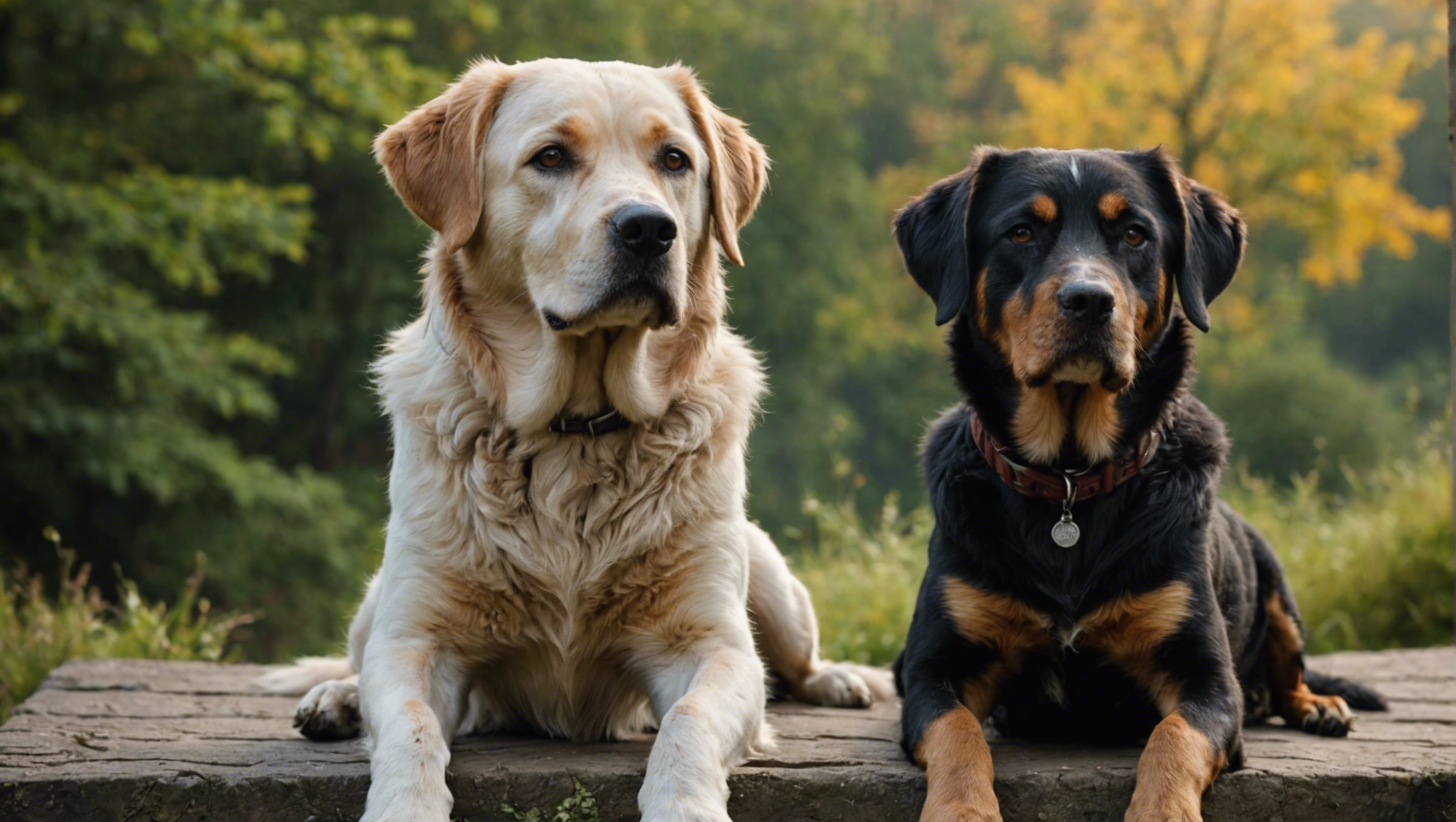
Understanding Canine Obesity
As surprising as it may seem, thedog obesity is a widespread problem. It is a major health problem that can cause a variety of serious complications in our four-legged friends. In this world where we are constantly striving to ensure healthy and balanced diet, it is crucial to understand the risks and prevention measures of obesity in dogs.
Health risks associated with canine obesity
L’dog obesity can lead to a host of health problems. Here are some of the most common:
– Heart disease: Just like in humans, excess weight can put extra strain on a dog’s heart, which can lead to a variety of heart conditions.
– Metabolic disorders: Obesity can cause diabetes in dogs by interfering with their ability to produce insulin.
– Osteoarticular problems: Excess weight can cause arthritis and other joint and ligament problems in dogs, which can make them less active and make obesity worse.
Preventing canine obesity: the importance of a balanced diet
The key to preventing obesity in dogs lies in healthy and balanced diet. This means that dogs should ingest high-quality proteins, healthy fats, fruits and vegetables, and a minimal amount of grains.
L’daily diet of your dog should be proportional to his age, size and breed, while taking into account the exercise he gets. A healthy diet should also include a variety of fresh and natural foods.
Preventive care for your dog’s well-being
In addition to a balanced diet, there are other strategies to preserve your dog’s well-being. For example :
– Regular exercises: They are essential for maintaining a healthy weight for your dog. Whether it’s a walk in the park or a play session in the yard, keep your dog active throughout the day.
– Regular visits to the veterinarian: Your veterinarian can help monitor your dog’s weight and ensure they stay within a healthy weight range.
FAQs
What are the signs of obesity in dogs?
If you can’t feel your dog’s ribs or see his size, he may be overweight. Additionally, if your dog lacks energy or has difficulty breathing, these are potential signs of obesity.
How can I help my dog lose weight?
In addition to providing a healthy, balanced diet, make sure your dog gets enough exercise. Consult your veterinarian for a personalized weight loss plan.
What type of diet is best for overweight dogs?
A diet for overweight dogs will have less fat and more fiber to help your dog feel full. Consult your veterinarian for recommendations on specific foods.
Adopt a balanced diet for your dog
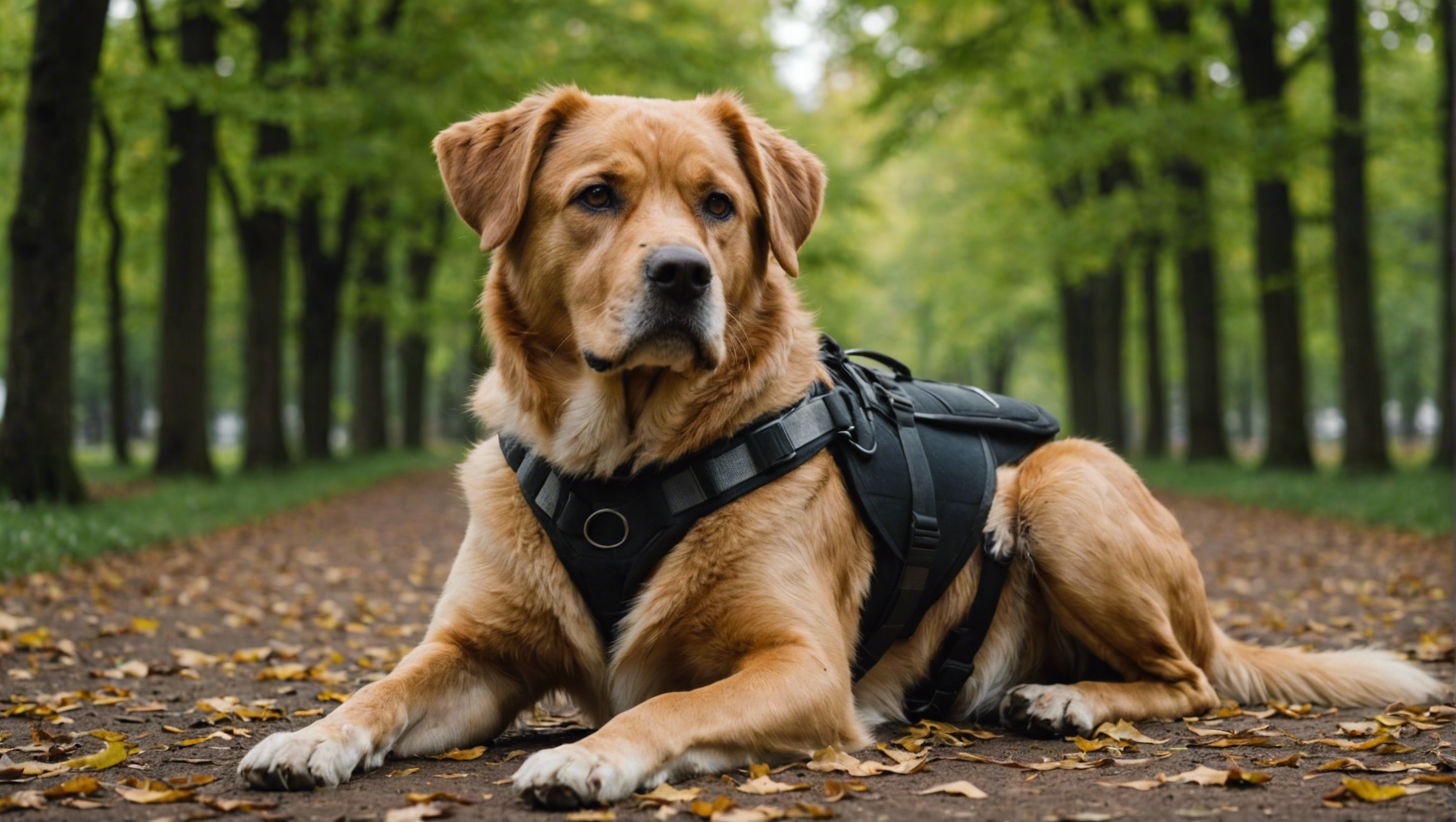
Understanding Obesity in Dogs
L’dog obesity—it’s not just a condition, it’s an epidemic. As in humans, it can lead to a plethora of serious health problems such as diabetes, heart problems and arthritis. The causes are varied, ranging from overeating, a lack of physical exercise to genetic factors. This is a serious subject that demands our attention.
The importance of a balanced diet for dogs
A healthy and balanced diet is the key to avoiding obesity in our four-legged friends. This involves taking into account the specific nutritional needs of the dog based on its age, breed, size and level of physical activity.
Dogs need a proper balance of proteins, carbohydrates, fats, vitamins, minerals and water to stay healthy. The proteins are essential for the development and maintenance of muscles, while carbohydrates provide the energy needed for their daily activities. Fats are a concentrated source of energy, and just like in humans, they should be consumed in moderation. Vitamin and mineral requirements generally vary depending on the dog’s age and activity level.
Preventing Canine Obesity Through Portion Control
Overfeeding is a common cause of obesity in dogs. To avoid this, it is essential to understand how much food your dog actually needs. This depends on several factors, such as their age, size, breed, and activity level.
It’s important to measure your dog’s food portions instead of feeding him “all you can eat.”
The importance of physical exercise
A balanced diet must be complemented by a good level of physical activity. Games, walks, and training sessions will help burn calories and keep your dog’s weight under control.
Understanding the Nutritional Needs of Senior Dogs
Senior dogs have specific nutritional needs. Due to age, they are less active which can lead to weight gain. A diet specifically designed for senior dogs may be necessary.
FAQs
- How do I know if my dog is overweight? If you can’t feel your dog’s ribs during palpation, he may be overweight. Do not hesitate to consult a veterinarian to be sure.
- How much food should a dog eat? This depends on several factors, including the dog’s age, size, and activity level. Consult a veterinarian for specific instructions.
- Does my dog need food supplements? In most cases, a balanced diet provides all the necessary nutrients. However, some dogs may need supplements for specific needs. It is best to consult your veterinarian before introducing any supplements into your dog’s diet.
Role of physical exercise in the prevention of canine obesity
Importance of physical exercise in maintaining weight in dogs
Exercising your canine companion regularly is a proven method to combat obesity. Physical activity helps burn calories, maintain muscle tone and ensure ideal weight. This is an essential pillar of the health and well-being of your dog. Your dog’s exercise routine should be tailored to his size, age and breed. Additionally, it is important to balance physical activity with a proper diet.
Physical activities recommended to prevent obesity in dogs
Exercise can be as simple as a daily walk or as challenging as show jumping. Simply playing fetch is an effective form of exercise, as are tug-of-war games. Obedience and agility classes can also provide physical and mental exercise. Some breeds enjoy work-oriented activities, such as herding or show jumping.
Understanding the link between canine obesity and associated health disorders
It is often said that dogs are reflections of their owners. Their health can therefore be an indicator of our lifestyle. L’obesity in dogs can lead to various health problems such as diabetes, heart disease, osteoarthritis and even some cancers.
Tips for maintaining a healthy diet alongside physical exercise
Simply feeding your dog a diet of kibble is not enough. Some foods contain preservatives and artificial colors that can cause weight gain. For this reason, it is essential that dog owners are aware of the specific nutritional needs of their animal and choose quality food. Nutritional supplements can also be helpful in maintaining the perfect dietary balance for your dog.
Diet and exercise: the perfect balance
The key to improving your dog’s health and preventing obesity is a balance between a healthy diet and adequate exercise. Remember, every dog is unique, so it will be essential to understand the specificities and needs of your companion. Your veterinarian can be a valuable ally in this process.
FAQ:
1. What is the role of exercise in preventing obesity in dogs?
Exercise helps dogs burn calories, maintain muscle tone and maintain ideal weight, which helps prevent obesity.
2. What type of physical activity is recommended for dogs?
This can range from a simple daily walk to agility or work classes. It is important that the activity is adapted to the size, age and breed of the dog.
3. How can diet help prevent obesity in dogs?
A balanced, quality diet, adapted to the specific characteristics of the dog, is essential. The diet must be supplemented by regular physical activity for an ideal balance.
Monitor and maintain your dog’s ideal weight
Canine obesity: a growing problem
When it comes to our four-legged friends, it can be hard to resist their pleading eyes when they ask for an extra treat. However, excess weight in our canine companions is a real problem that can have serious consequences on their health. L’dog obesity is an increasingly common condition, which can lead to a host of health problems, including heart disease, mobility disorders, liver disease and even certain types of cancer. It is therefore crucial to monitor and maintain your dog’s ideal weight.
On the lookout: How to detect obesity in your dog
It is by carefully observing your dog that you can most easily detect possible excess weight. Signs like a difficult breathing, a reduction in activity, a difficulty moving or even a lack of energy may indicate that your dog is overweight. Additionally, if you can’t feel your dog’s ribs when you run your hand over his side, this may also be a sign ofdog obesity.
Fighting canine obesity: Practical guide
It is much easier to prevent a dog from gaining weight than to help an obese dog lose weight. Here are some preventative measures you can take to help your dog maintain optimal weight:
– Give your dog a balanced diet : Choose good quality foods that meet their nutritional needs. Avoid excessive treats and opt for healthier alternatives, like raw vegetables.
– Keep your dog active : Make sure your dog gets enough exercise every day. Play with him, make him run around, and keep him physically and intellectually stimulated.
When hobbies and canine health meet
As a dog lover and sporty, I can confirm that introducing regular physical activities with your dog can be both fun and beneficial for their health. You might consider activities like jogging, THE frisbee, agility races, or even workouts at home. This will not only help maintain the ideal weight for your dog, but also to create a strong bond between you and your pet.
Seek help from a professional
If, despite your efforts, your dog continues to gain weight, it is important to consult a professional. A veterinarian can help you determine the cause of your dog’s excess weight and give you personalized advice to help him regain a healthy weight. In fact, thedog obesity may be a sign of more serious health problems, which require medical attention.
FAQs
What are the risks of obesity in dogs?
Canine obesity can lead to many health problems, including diabetes, heart disease, arthritis, and certain types of cancers.
When is a dog considered obese?
A dog is considered obese when it weighs 20% more than its ideal weight.
How can I help my dog lose weight?
You can help your dog lose weight by providing a balanced diet, limiting treats, and ensuring regular exercise. If necessary, consult a veterinarian for professional advice.