


Adopting an Alaskan Malamute: What you need to know
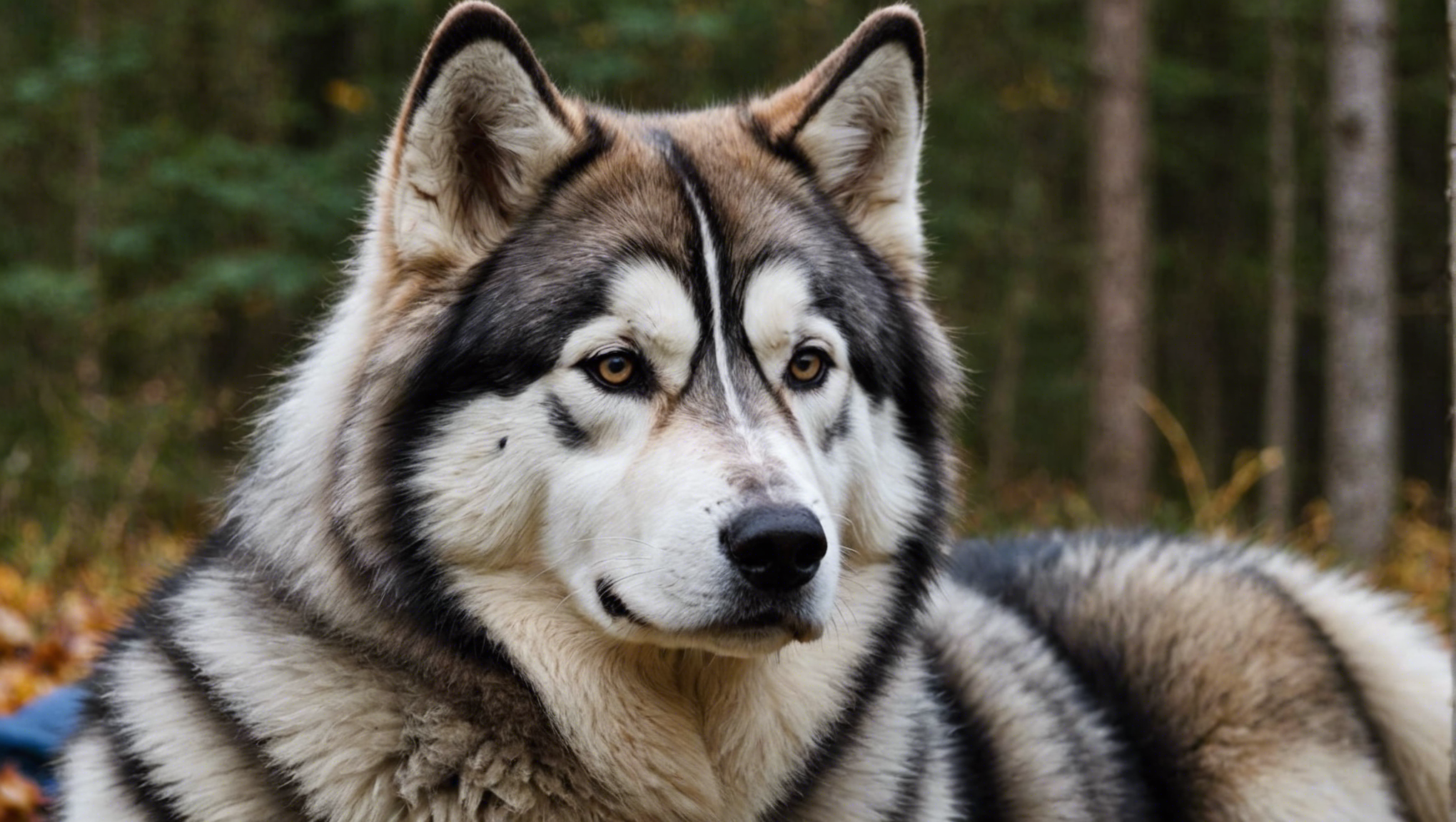
Dear reader, in this article we are going to talk about the magnificent Alaskan Malamute. If you are looking for a warm, energetic and hypoallergenic companion, then this dog might just charm you. We will not reveal all the secrets to you: from advice for adoption to daily maintenance. Ready for this wonderful adventure? Let’s go !
Understanding Alaskan Malamute Behavior
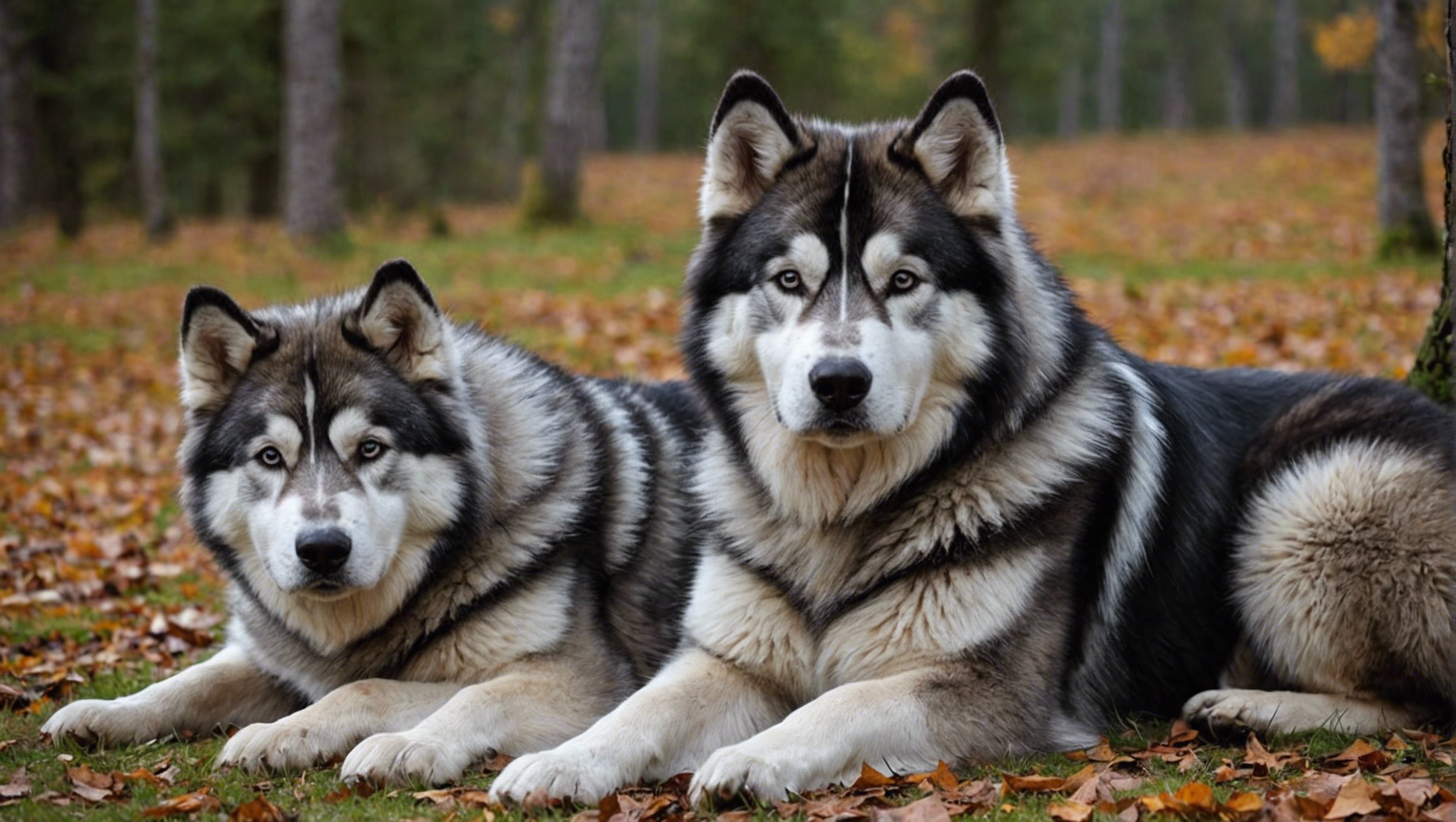
Origins of the Alaskan Malamute: A fantastic furry companion
Originally from the icy lands of Alaska, the Alaskan Malamute is a breed of dog that fascinates with its bright appearance and assertive character. Formerly working alongside the Inuit tribes, he retained his predisposition for physical efforts. Strong, independent, this dog needs to expend his energy and feel useful.
Behavioral Characteristics of the Alaskan Malamute
Understanding the behavior of an Alaskan Malamute requires knowing some characteristics specific to this breed. On the one hand, the Alaskan Malamute is a calm and respectful dog. He is gentle with children and other animals, making him an ideal companion for a family.
However, due to its past as a working animal, the Alaskan Malamute is an animal active and energetic, who needs to exercise daily to stay in good health, both physical and mental. If this expenditure of energy is not ensured, the dog may adopt destructive behavior.
Another important character trait of the Alaskan Malamute is its independence. He is capable of making decisions on his own and does not like to be upset or dominated. He needs relationships based on respect and trust.
Education of the Alaskan Malamute: A long-term task
The education of the Alaskan Malamute requires special attention. It is a dog with a keen sense of hierarchy. The teacher must then adopt a leadership role and establish clear and constant rules from an early age.
Let’s not forget that this is a breed with a strong personality and lively intelligence. This means that training must be based on the principle of positive reinforcement, motivating the dog with warm rewards for good behavior, rather than through coercion or dominance.
The specific needs of the Alaskan Malamute
The Alaskan Malamute is a dog that requires a lot of physical activity. A long daily walk is a minimum, but the ideal would be to add fun and sporting activities such as games, jogging, or even dog sports.
Finally, it is a dog that needs company and does not appreciate being left alone for too long. He is very loyal to his family and loneliness can be difficult for him to deal with.
The relationship between the Alaskan Malamute and his master
The Alaskan Malamute maintains a deep relationship with its owner, based on mutual respect. It is important to show him who is boss, without using violence or dominance. A good owner for an Alaskan Malamute is someone who is calm, patient and respectful of their dog’s needs.
Alaskan Malamute FAQs
1. Is the Alaskan Malamute an easy dog to train?
No, the Alaskan Malamute requires firm and constant training, preferably by an experienced owner.
2. Can you leave an Alaskan Malamute alone all day?
No, the Alaskan Malamute is a dog that needs company and does not like solitude. He needs activity and attention.
3. Is the Alaskan Malamute suitable for a family with children?
Yes, the Alaskan Malamute is known to be gentle and patient with children. However, its energy and size can be intimidating to very young children.
Costs and needs related to caring for an Alaskan Malamute
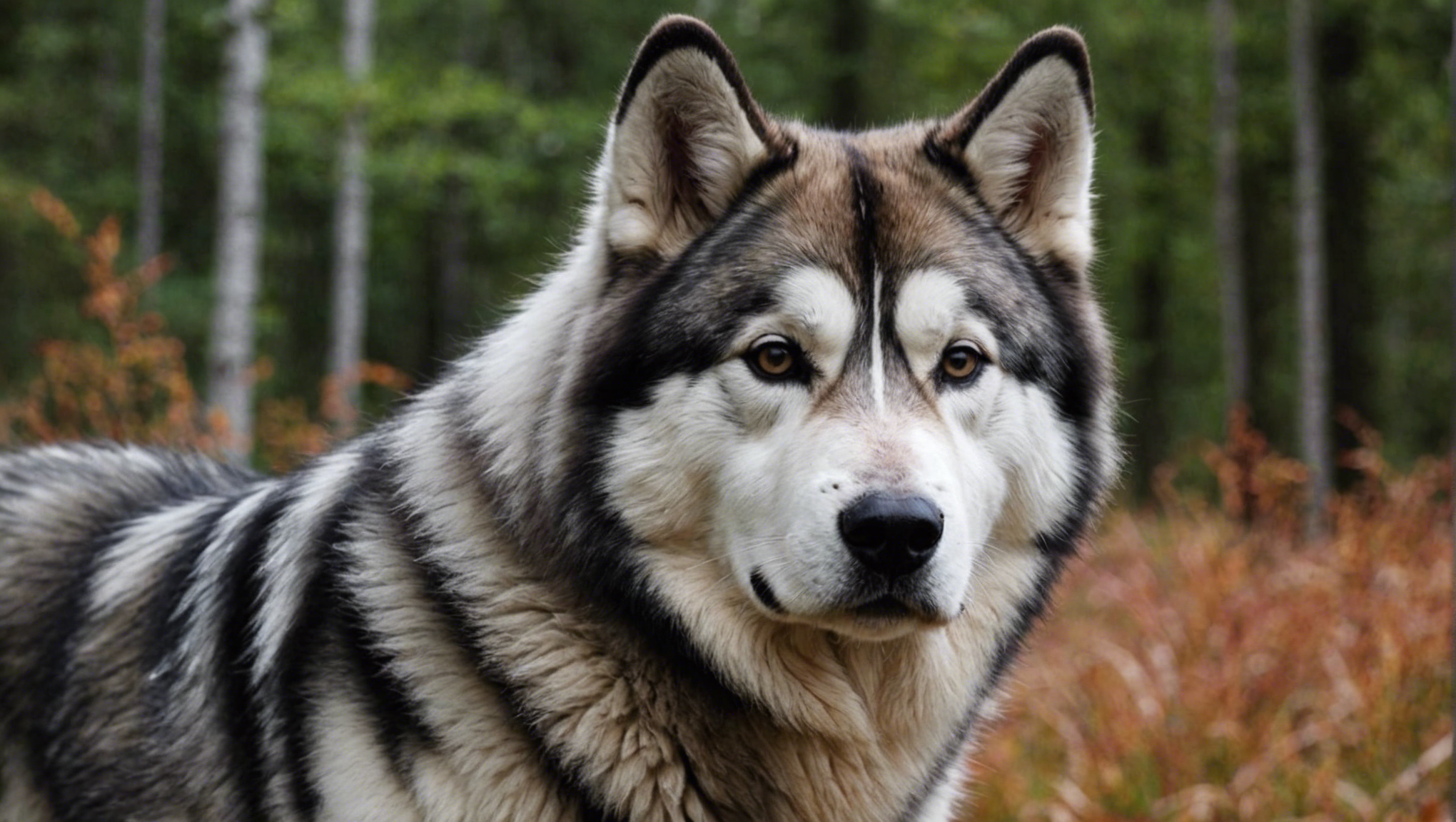
Understanding the Alaskan Malamute: A faithful and robust companion
THE Alaskan Malamute, originally from the Far North, is known for his strength, his resistance to the cold and his unconditional love for work. This breed is an excellent companion for those who enjoy regular physical activity and have considerable space to allow them to flourish. However, owning an Alaskan Malamute may also require specific costs and care, linked to its natural needs.
Costs related to adopting an Alaskan Malamute
Adopting an Alaskan Malamute can incur significant costs. You will first have to take into account the cost of acquiring the puppy, which can vary between 800 and 2000 euros, depending on its pedigree and the seriousness of the breeding. Also think about the different veterinary costs such as vaccinations, sterilization and regular visits to ensure good health.
You will also have to think about food costs. A Alaskan Malamute has a robust appetite to match his imposing physique. Plan a substantial food budget to meet their needs.
Grooming the Alaskan Malamute
The Alaskan Malamute has a thick, lush double coat of hair that allows it to survive the coldest climates. However, this magnificent fur requires regular maintenance to stay healthy.
A weekly grooming session is recommended to prevent the formation of knots and allow good ventilation of your dog’s skin. During these sessions, do not forget to check for the possible presence of parasites. Grooming also helps reduce the risk of allergies for sensitive people at home.
Physical exercise, an important need for the Alaskan Malamute
The Alaskan Malamute is a working dog that needs to exercise daily. Without sufficient exercise, this breed may become anxious or depressed. Of the regular sports activities are therefore essential for one’s physical and mental balance.
Also remember to stimulate his intellect. Dog puzzle games, for example, can help engage your mind and prevent boredom.
Health costs specific to the Alaskan Malamute
The Alaskan Malamute is prone to some specific health problems related to its breed. Among these problems, we find eye disorders, hip dysplasia and even chondrodysplasia. It is therefore recommended to have a genetic test before adoption to detect possible hereditary health problems.
FAQ:
What is the average cost of an Alaskan Malamute?
The initial acquisition cost of an Alaskan Malamute is generally between 800 and 2000 euros. Also consider regular costs such as food, grooming and veterinary care.
Is the Alaskan Malamute suitable for apartment living?
The Alaskan Malamute needs plenty of exercise and space. He is best suited to a lifestyle where he can run and exercise freely.
Does the Alaskan Malamute lose a lot of hair?
The Alaskan Malamute has a double coat of hair that sheds twice a year. During these periods, he can lose a lot of hair. Regular maintenance of its coat is recommended to minimize hair loss.
Education and training of your Alaskan Malamute
Presentation of the Alaskan Malamute
THE Alaskan Malamute is a breed of dog native to the polar regions, known for its large size and strength. These majestic dogs were traditionally used by the Inuit to transport heavy loads over long distances. Their physical endurance and resistance to cold have made them excellent working dogs. However, due to their independent temperament and stubborn nature, raising and training the Alaskan Malamute can present some challenges.
Behavioral Characteristics of the Alaskan Malamute
Each dog is distinguished by its individual personality. However, as a breed, the Alaskan Malamute displays unique behavioral characteristics. They are generally affable, loyal and extroverted. However, they are also independent and stubborn, traits which do not always make their training easier. Added to this is their predatory instinct, which must be taken into account during education.
Training an Alaskan Malamute: Where to start?
Before you start training an Alaskan Malamute, it is important to know some basic principles.
– Start theeducation from a young age. The longer you wait, the more likely they are to develop bad habits.
– Education must be coherent. If you give an instruction, make sure you follow it every time.
– Always use a positive approach. Scolding can make your Malamute fearful or aggressive.
Alaskan Malamute Training: Techniques
Despite its independent and stubborn nature, training the Alaskan Malamute is not an impossible task. You just have to adopt the right techniques.
– Use it positive reinforcement. Consider rewarding him when he behaves well.
– Train him to obey simple commands from the start. This may include basic instructions like “sit,” “lie down,” or “no move.”
– Suggest stimulating activities to keep him occupied and prevent destructive behavior. The Malamute needs physical and mental exercise.
– THE rehearsals are the key. It is essential to repeat the exercises until your dog learns them.
FAQs
Question: Is the Alaskan Malamute a difficult dog to train?
Answer: Due to their independent and stubborn nature, training an Alaskan Malamute can present some challenges. However, with patience and the use of proper training techniques, it is entirely possible to properly train an Alaskan Malamute.
Question: What approach should you take to train an Alaskan Malamute?
Answer: It is recommended to adopt an approach focused on positive reinforcement. Use patience and consistency for optimal education.
Question: Are Alaskan Malamutes suitable for families with children?
Answer: Generally, Alaskan Malamutes are good with children and are known to be family dogs. However, due to their large size, they should always be supervised when around children.
Common health problems in the Alaskan Malamute
The Alaskan Malamute is an indestructible and hardworking breed of dog, and one of those closest to the wolf. However, these robust dogs are not exempt from health problems, and as an Alaskan Malamute owner, it is important to be aware of these potential illnesses in order to better care for their well-being.
Hip and elbow displasia
There hip displasia and elbow is common in the Alaskan Malamute. It is a genetic disease that causes a malformation of the joint. Therefore, symptoms can range from mild lameness to severe pain and reduced mobility, especially in old age. It is therefore recommended to have your Alaskan Malamute’s hips and elbows regularly examined by a veterinarian.
Eye problems
Many Alaskan Malamutes may suffer from eye diseases, such as cataracts and progressive retinal atrophy. Let’s discuss them in more detail:
- Cataract: It is a common eye condition that can lead to blindness if left untreated. Cataracts can be present from birth or develop with age.
- Retinal atrophy: It is a genetic disease that causes progressive deterioration of the retina, leading to total blindness. Unfortunately, there is currently no treatment for this disease.
Skin problems
Skin problems are also common in the Alaskan Malamute. These can be caused by a variety of factors, including allergies, dust mites, bacterial or fungal infections. These skin problems can cause itching, discomfort, hair loss and inflammation. Regular grooming and a proper diet can help prevent these skin problems.
Hypothyroidism
L’hypothyroidism, a condition that occurs when the thyroid gland does not produce enough hormones, is also a common problem in the Alaskan Malamute. Symptoms of this condition may include weight gain, lack of energy, hair loss, and dry skin. Fortunately, hypothyroidism can be treated easily with appropriate medications.
Despite these potential health problems, the Alaskan Malamute is generally a healthy dog with an average lifespan of 10 to 14 years. Your four-legged friend can live a long and happy life with proper care, a healthy diet, regular exercise, and check-up visits to the veterinarian.
FAQs
1. What is the life expectancy of an Alaskan Malamute?
The average life expectancy of an Alaskan Malamute ranges from 10 to 14 years.
2. What are the most common health problems in the Alaskan Malamute?
The Alaskan Malamute is susceptible to developing hip and elbow dysplasia, eye diseases such as cataracts and progressive retinal atrophy, skin problems and hypothyroidism.
3. How to prevent health problems in the Alaskan Malamute?
Regular grooming, a healthy diet, regular exercise, and regular visits to the veterinarian can help prevent health problems in the Alaskan Malamute.