


How has the domestication of dogs influenced human societies?

Discover how the unique bond between man and dog has shaped the history of human societies throughout the centuries.
The evolution of the human-dog relationship
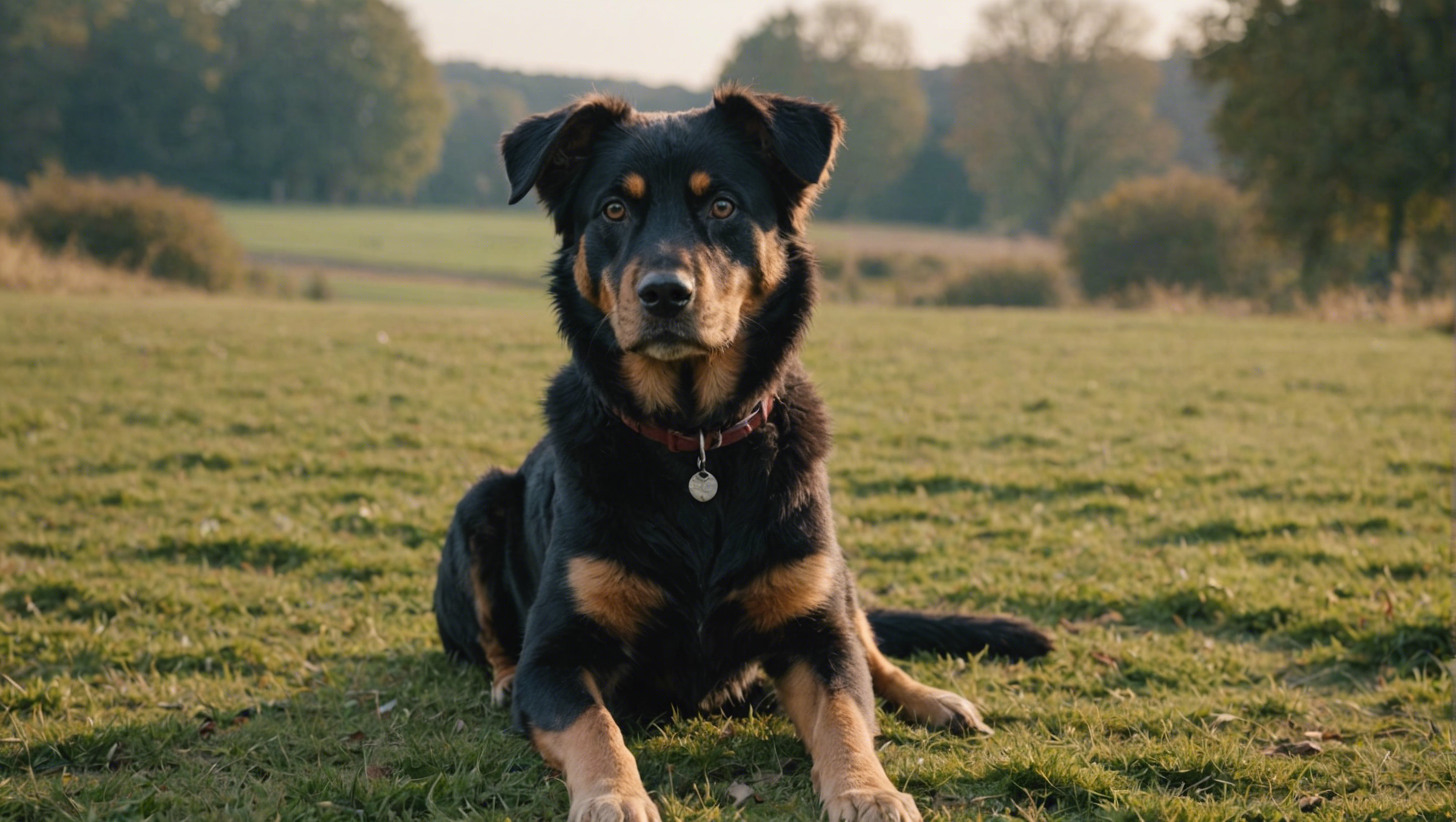
The origins of dog domestication
The history of dog domestication dates back approximately 15,000 to 40,000 years. The first domesticated dogs likely came from wolves who began following humans to feed on their remains. Over time, a symbiotic relationship developed between humans and these wolves, which eventually became the dogs we know today.
The evolution of dog breeds
Over the centuries, humans have selected dogs for different traits, such as size, shape, behavior and skills. This selection has led to the emergence of many different breeds, each with their own unique characteristics. Today, there are more than 300 recognized dog breeds worldwide.
The role of the dog in society
Over time, the role of dogs in society has evolved considerably. Originally used for hunting and guarding, today dogs are also companions, aids for people with disabilities, and even movie stars. Dogs also have an important place in many cultures and religions, and are often depicted in art and literature.
The impact of domestication on dogs
Domestication has had a significant impact on dogs, both physically and behaviorally. For example, many dogs have evolved to have floppy ears and curled tails, traits that are not common in wolves. Additionally, dogs have evolved a unique ability to understand and respond to human emotions.
Preservation of dog breeds
With the evolution of the human-dog relationship, it has become important to preserve the different breeds of dogs. Many organizations are working towards this end, encouraging responsible breeding and protecting endangered breeds. Additionally, efforts are made to preserve the history and culture associated with each breed.
FAQs
When were dogs first domesticated?
Dogs were first domesticated around 15,000 to 40,000 years ago.
How many recognized dog breeds are there?
There are more than 300 recognized dog breeds worldwide.
How have humans impacted the evolution of dogs?
Humans have impacted the evolution of dogs by breeding them for different traits, such as size, shape, behavior, and skills. This has led to the emergence of many different breeds, each with their own unique characteristics.
The impact of domestication on social organization
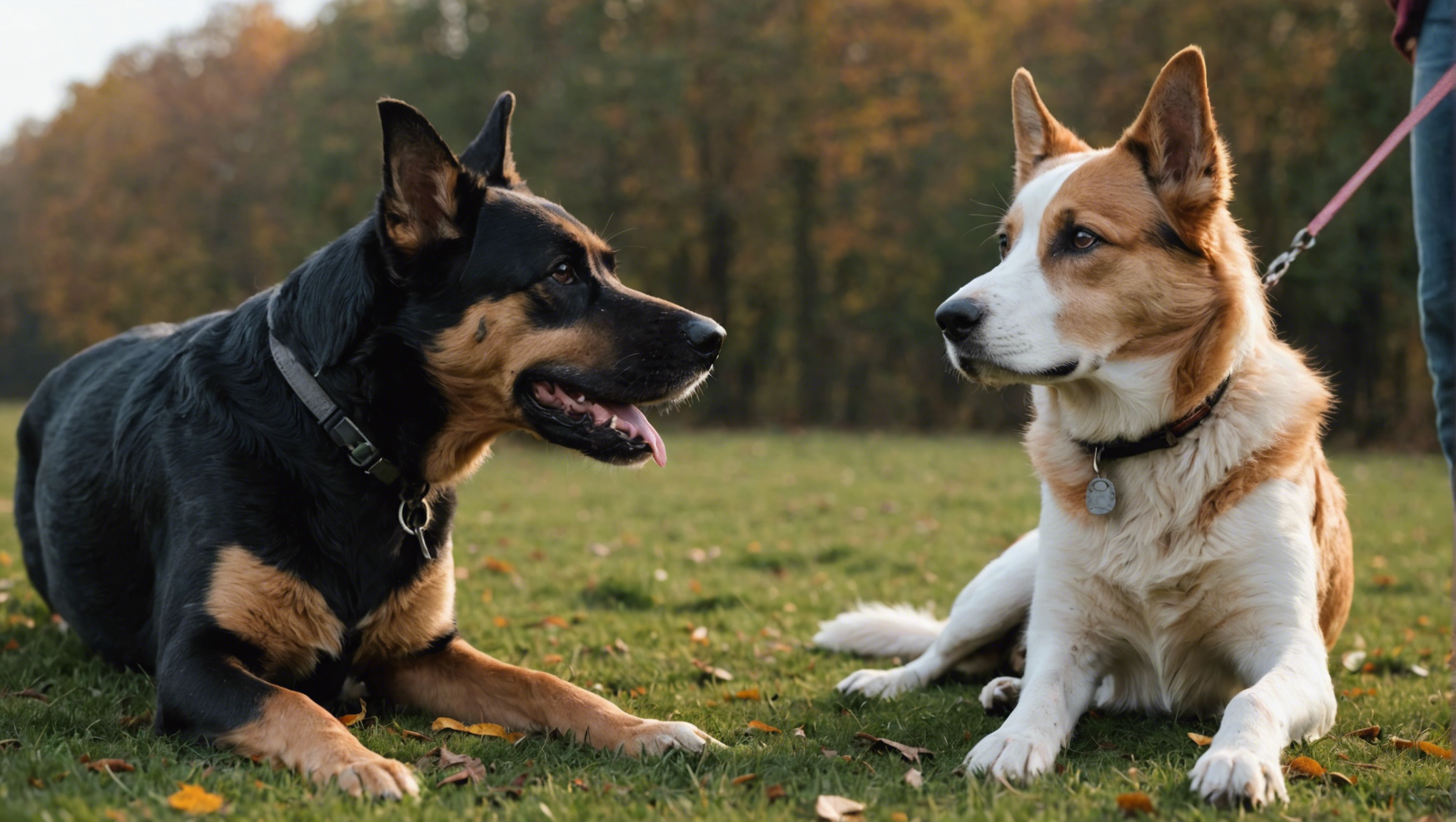
The evolution of social organization in domestic dogs
There dog domestication led to many changes in their lifestyle, behavior and social organization. Dogs, which were once wild animals living in packs, gradually adopted a more sedentary lifestyle and dependent on humans.
The human-dog relationship at the heart of domestication
One of the main factors driving these changes is the relationship between dogs and humans. Domestication has indeed allowed dogs to evolve to meet the needs and expectations of humans, in particular by developing their ability to communicate and interact with them. This relationship also favored the creation of close social bonds between the two species, leading to a modification of the social organization of dogs.
The consequences of domestication on the social structure of dogs
Domestication has led to several notable consequences on the social structure of dogs:
– There decrease in the size of social groups : Dogs tend to live in much smaller groups than their wild ancestors, with humans often replacing their pack members.
– There modified social hierarchy : Domestic dogs generally have a less rigid hierarchy than wild dogs, and their relationships with their peers are more flexible and adaptable.
– There cohabitation with other species : Domestic dogs are often in contact with other pets, such as cats, rabbits or birds, which leads to an adaptation of their social behavior.
The role of humans in the social adaptation of dogs
Humans have played a crucial role in the social adaptation of dogs. In addition to selecting them for their ability to live in harmony with men, we also encouraged their socialization from a very young age. This early socialization allows dogs to learn to interact correctly with their peers, but also with other animal species and humans.
Frequently asked questions about dog domestication and its influence on social organization
1. How did domestication affect dog behavior?
Domestication has led to many changes in dog behavior, including a greater ability to communicate and interact with humans, as well as an adaptation of their social organization to live in harmony with us and other animal species.
2. Do domestic dogs have a social hierarchy?
Yes, domestic dogs have a social hierarchy, but it is generally less rigid than that of wild dogs. Their social structure is more flexible and adaptable, depending on their relationship with humans and other animals living under the same roof.
3. What is the role of socialization in the adaptation of dogs to domestication?
Socialization plays a crucial role in dogs’ adaptation to domestication. By interacting with peers, other animal species, and humans from a young age, dogs learn to communicate and behave appropriately in different social contexts.
The different functions of the dog in human societies
The dog, a multifunctional companion
For millennia, dogs have occupied an important place in human societies. From hunting to guarding, including transport and companionship, the roles he has taken on are many and varied. Today, the dog is much more than just a pet, it is a true life partner for humans.
Working dogs: an ancestral human-dog collaboration
Working dogs have been used for centuries to assist humans in various tasks. Sheepdogs, for example, help shepherds gather and guide their flock. Sled dogs are used in Arctic regions for transporting goods and people. Security dogs, for their part, provide guarding and protection of property and people. These collaborations reflect a relationship of trust and mutual respect between humans and dogs.
Assistance dogs: valuable support
Assistance dogs play a crucial role for people with disabilities. Guide dogs help the visually impaired move around safely. Mobility assistance dogs help with everyday tasks like opening doors or picking up objects. Medical alert dogs can detect epileptic seizures, hypoglycemia or other health problems, and notify their owner or a third party. The dog’s flair and sensitivity are valuable assets for these people.
Dogs in art and culture
Dogs have always been a source of inspiration in art and culture. Many representations of dogs are present in painting, sculpture, literature, cinema and even music. Dogs are often associated with values such as loyalty, courage, friendship and unconditional love. Even in the afterlife, dogs have a special place in the funeral rituals of certain cultures, reflecting the deep bond between man and dog.
Dogs in sports and leisure
Dogs are also great partners in many sports and hobbies. Agility, flyball, frisbee, cani-hiking or cani-cross are all activities that allow humans and dogs to share moments of complicity, while exercising themselves physically. These activities strengthen the bond between humans and dogs, while promoting their physical and mental well-being.
FAQs
When was the dog domesticated?
Archaeological and genetic research suggests that dog domestication began around 15,000 to 40,000 years ago. This domestication would have taken place in several stages and in different regions of the world.
How many dog breeds are there?
The Fédération Cynologique Internationale (FCI) currently recognizes more than 340 dog breeds, divided into 10 distinct groups, ranging from herding dogs to companion dogs.
How to choose the right breed of dog?
Choosing a dog breed depends on many factors, such as lifestyle, experience with dogs, personal preferences, and time available to care for the dog. It is important to learn about the specific characteristics and needs of each breed before making a choice.
The cultural and symbolic consequences of domestication
The cultural impact of dog domestication
The domestication of the dog, more than 15,000 years ago, had a profound impact on our society and culture. By becoming our companions, dogs have taken an important place in our homes and our hearts, but also in our art, our language and our beliefs.
Representations of dogs in art
From Antiquity to the present day, the dog has been a subject of inspiration for artists. From Egyptian frescoes to Renaissance paintings, including Greco-Roman sculptures, dogs have been represented in all their forms and functions: hunting dogs, shepherd dogs, guard dogs or simply companion dogs. These works tell us not only about the breeds of dogs that existed at different times, but also about the role and place that dogs occupied in our societies.
The dog in the French language
The French language is full of expressions and phrases putting the dog in the spotlight. Some are very positive, like “having the heart of a dog” (being brave and faithful), others more negative, like “looking at yourself like a dog” (looking at yourself with hostility). These expressions clearly show how deeply the dog is anchored in our culture and our daily lives.
The dog in beliefs and funeral rites
In many cultures, the dog is considered a messenger of the gods or a guide to souls in the afterlife. Dogs often accompanied the deceased to their graves, as evidenced by certain archaeological excavations. This belief in a special link between dogs and the afterlife still continues today, particularly in Japan, where dogs are considered to accompany spirits to the other world.
FAQs
Why are dogs so important in art?
The dog has been a subject of inspiration for artists because of its great variety of forms and functions, but also because of its social and symbolic importance. Representing a dog also meant paying tribute to its loyalty and bravery.
What is the origin of the expression “a dog’s heart”?
The expression “to have the heart of a dog” alludes to the legendary loyalty and bravery of dogs. This expression probably originated in societies where the dog was considered a protective animal and a trusted companion.
Why are dogs associated with funeral rites?
In many cultures, the dog is considered a guide to souls in the afterlife due to its exceptional scent and ability to follow a trail. Additionally, dogs are often seen as messengers of the gods and protectors of humans, making them particularly suited to a funerary role.