


Preparing your home and family for the arrival of a dog: What checklist to follow?
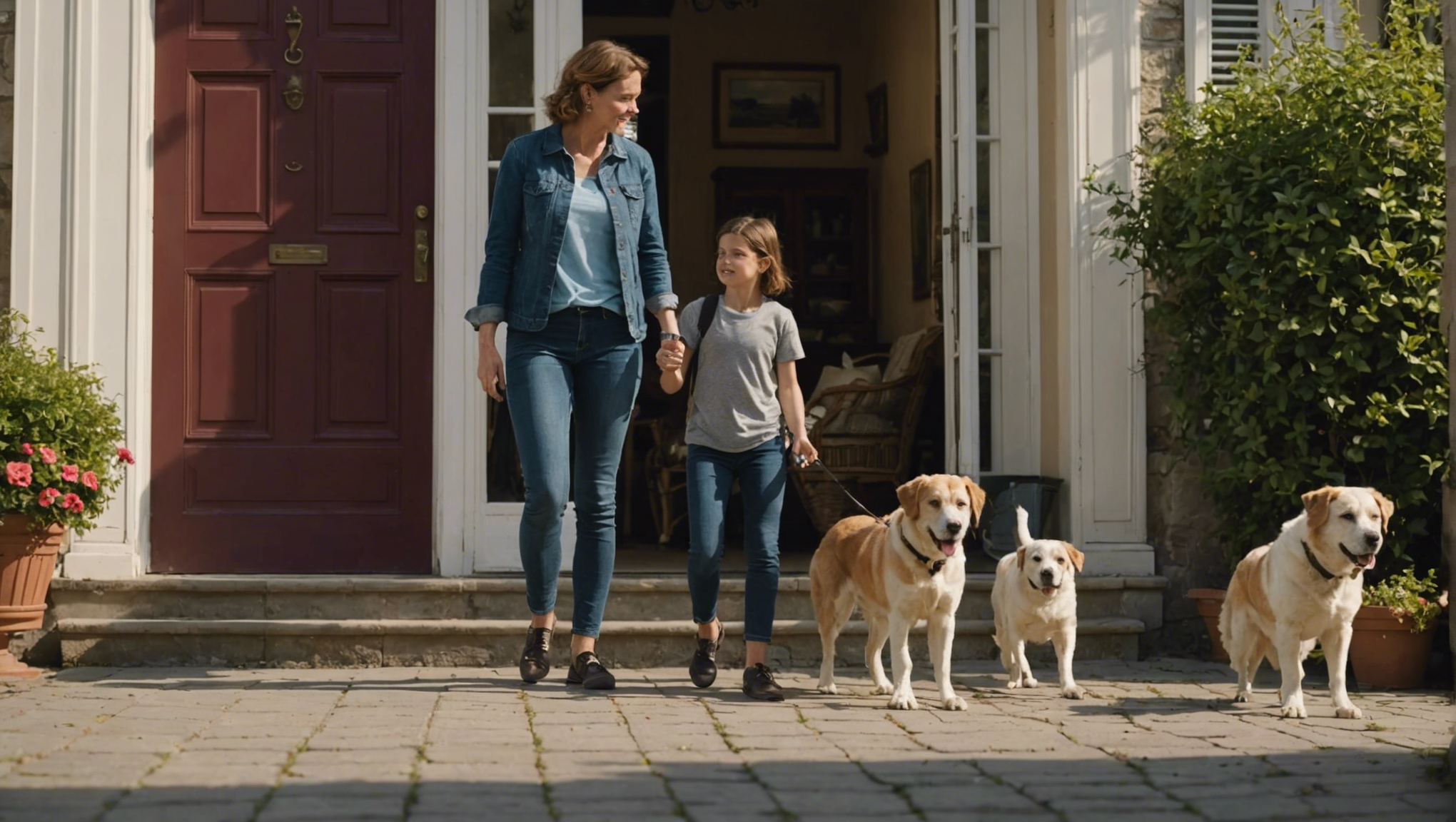
Are you about to adopt a dog? It’s a wonderful adventure that awaits you! However, the arrival of a new animal into its home requires a certain preparation to guarantee its well-being and development. Follow our guide to help you create an effective checklist to prepare your home and family for the arrival of your future four-legged friend.
Choosing the Right Dog for Your Home and Family
Understand your expectations before adopting a dog
First of all, the first step to consider is personal reflection regarding adopting a dog. It is essential to understand that getting a dog means getting a new friend and partner in life, who will require your attention, affection and care. Let’s make sure your motivations are genuine, because a dog represents a long-term responsibility whose needs must be taken into account.
Facts to Consider When Choosing a Dog
Choose the ideal dog depends on a multitude of factors, including the size of your home, your own lifestyle, the amount of time you can spend with your furry friend, your previous experience with dogs and potential allergies. Therefore, it is important to introspect on your daily life and what you are prepared to handle.
Choice of dog based on your lifestyle and living space
The living space you have available plays an important role in choosing your dog. If you live in an apartment, a smaller dog like the Yorkshire Terrier where the Dachshund might be more appropriate. On the other hand, if you have a large garden, you may want to consider a larger, more active breed like the Golden retriever.
Consider the specific needs of the breed
Each dog breed has its own health and maintenance needs. Breeds like the Golden Retriever are known for being gentle and patient, but they require a lot of exercise for their well-being. Smaller breeds like the Yorkshire Terrier or Dachshund are known to be energetic and may need more mental stimulation.
The importance of genetic testing on dogs
Finally, it is essential to take into account the health of your potential companion. These days, genetic testing for dogs has become commonplace and can offer a wealth of information about the dog’s possible future health and characteristics. This can be especially beneficial if you are considering a specific breed that is known to have certain health conditions.
FAQ
- What is the best breed for a senior or someone who lives alone?
There is no definitive answer since it depends on the person and their lifestyle. However, breeds like the Golden Retriever are known to be particularly gentle and patient, which can be a good option. - What can I do if I have dog allergies?
Some breeds are known to be hypoallergenic which can be a good option for allergy sufferers. Additionally, some dog allergies can be managed with medications or immunization therapies. - Do all dogs need a large space to live?
No, not necessarily. While some breeds thrive in larger spaces, others can be perfectly happy and healthy in a smaller environment, like an apartment.
Developing a Dog Arrival Checklist
Preparing for the arrival of the new family member
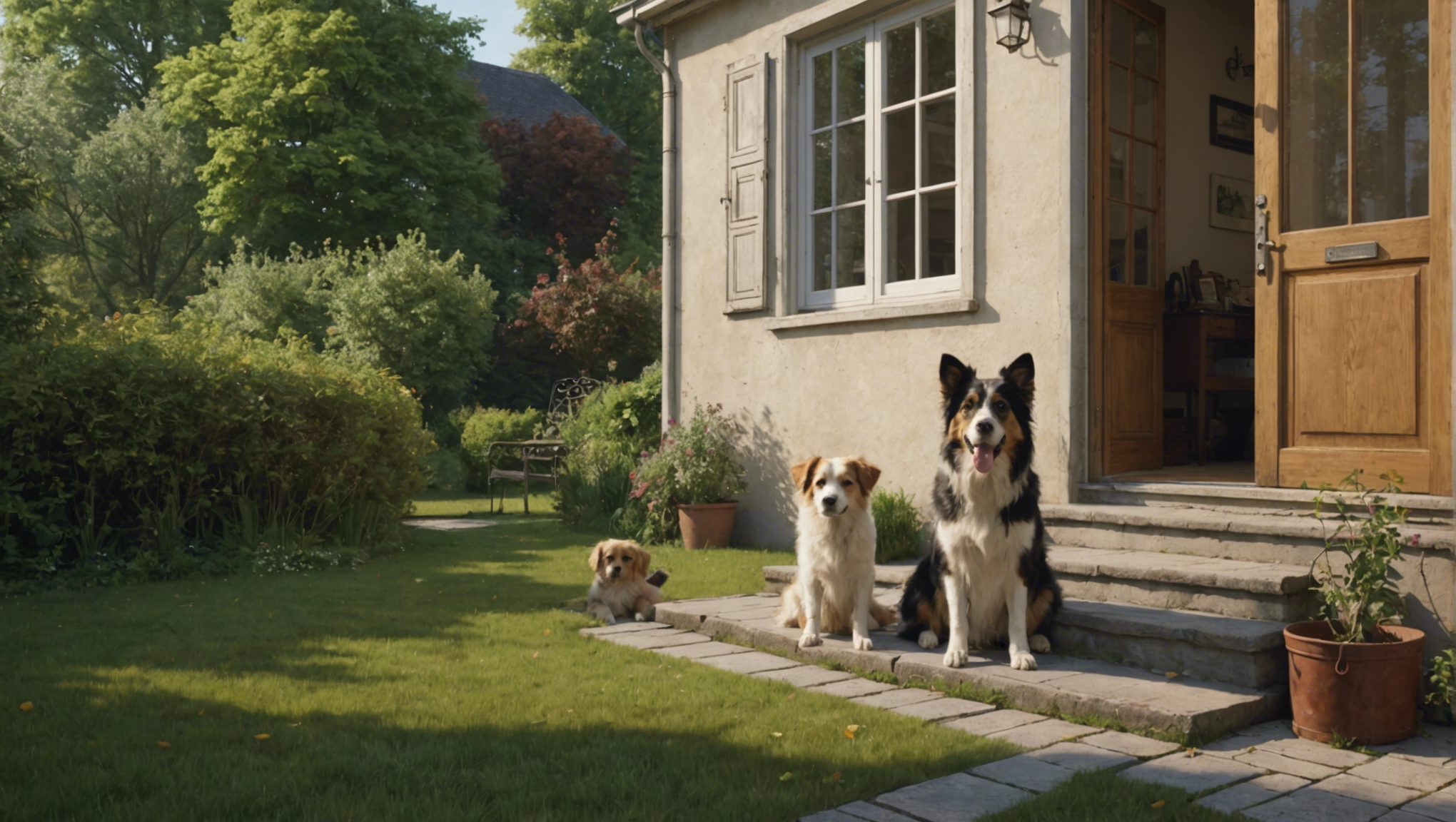
Welcoming a new member into your family is always an exciting and joyful experience. In the case of a dog, certain preparations are necessary before the arrival of your future four-legged companion.
Choosing the Best Dog for You
The first and most important step of our checklist is the choice of the breed of your dog. If you live in an apartment, for example, a small to medium sized dog, such as a Yorkshire Terrier or one Dachshund, would be more appropriate. If you are an active person and have plenty of space, a Golden Retriever might be the ideal choice. These dogs are known for their affectionate and friendly nature.
Set up a space dedicated to your dog
It is important to organize a specific space for your dog before his arrival. This may include a comfortable dog bed, bowls for water and food, appropriate toys and a crate for transport. This corner should be a space where your dog can feel safe and comfortable.
Choose the right food
Choosing food for your dog is a major step. It is advisable to consult a veterinarian to determine your dog’s specific needs based on breed, age and physical condition.
Preparing for arrival: necessary items
Some basic supplies must be purchased before the dog arrives:
– A collar and a leash
– Specific grooming products
– Toys to entertain him
– Bags for droppings
Perform a complete health check-up
A complete health check of your dog is very important to ensure its health and well-being. Genetic testing in dogs can reveal valuable information about potential genetic susceptibilities to certain health problems.
Call a grooming professional
The last step, but not the least, is grooming the dog. Hiring a professional grooming center will help keep your dog’s coat clean, healthy and parasite-free, which contributes to their overall good health.
FAQs
1. What are the important elements to consider when choosing the breed of your dog?
Things to consider are the dog’s size, character, activity level and adaptability to your lifestyle.
2. Why is it important to do genetic testing for dogs?
A genetic test for dogs helps identify predispositions to certain diseases. This allows the diet and care to be adapted accordingly.
3. When is it recommended to start dog grooming?
It is advisable to begin grooming as soon as the puppy gets used to its new environment. This will help establish a grooming routine from the start.
Adapt your home to accommodate a new dog
Adapt your interior to the arrival of a new canine friend
Adopting a dog is an enriching adventure, filled with moments of joy and complicity. Whether you’re about to welcome a small puppy or an adult dog, it’s essential to make your home comfortable and secure for your new four-legged friend. From choosing food to arranging their space, follow these few tips to prepare your interior before the arrival of your new companion.
Secure your home
First of all, the security is a priority. Just like children, dogs are curious and love to explore their new environment. It is therefore important to protect yourself from certain potential dangers. Be sure to put away breakable items, secure electrical outlets, or store chemicals and medications out of reach. If you have a balcony or terrace, check that there are no openings where your dog could pass through.
Create a dedicated space for the dog
It is also important to provide a space dedicated to your dog. This can be a small kennel or a simple basket with a cover. The important thing is that your dog feels comfortable and safe in this space. Also respect your dog’s sleep and avoid disturbing him when he is resting in his space.
Choose a healthy and appropriate diet
Also remember that your dog needs to eat properly. So make sure you provide him with healthy and adapted diet. To do this, carefully research what type of food is best suited to their breed, age, weight and state of health. If you are in doubt, do not hesitate to consult a veterinarian.
Anticipate your dog’s attraction to toys
Finally, know that your dog will probably be attracted to toys. It is therefore advisable to have a few at your disposal. They will be essential to his development but also to his socialization.
Frequently Asked Questions
What type of basket is best for a dog?
There is no universal basket, it depends on the dog. In general, the dog must be able to lie down completely and comfortably in its basket. Opt for a good quality basket, which does not deform when washed and which is quite resistant.
Will my dog need his own bowl?
Yes, it is recommended that your dog has his own bowl. This prevents dominance issues between dogs and makes your dog feel more secure.
Why does my dog need toys?
Toys stimulate your dog’s mental activity and allow him to expend his energy physically. They are also essential for his socialization and education.
Educating your family about welcoming and caring for a dog
Understand the importance of the role of each member of the family
Caring for a dog is a responsibility that falls on the whole family. This is why it is essential that each member of the family understands the role they have to play. In other words, welcoming a dog and providing the necessary care are not isolated tasks, but a collective effort by the family, where everyone must play their role seriously.
Raising children: a crucial step in living with a dog
Educating the youngest to take care of the new arrival is crucial: never disturb him while he is eating, play gently with him, always respect him… these are all simple rules to instill from the first day. Do not hesitate to use adapted dog books to children to facilitate their education and understanding of canine behavior.
The choice of breed: a factor not to be neglected
The breed of dog chosen must be in line with the family’s lifestyle. Some breeds, such as Yorkshire Terrier, THE Dachshund and the Golden retriever, are renowned for their calm behavior and ease of maintenance. These breeds may be particularly suited to situations such as living with an elderly person.
Raising awareness about hypoallergenicity
If you or a member of your family has allergies, it is important to learn about hypoallergenic dogs. These dogs are less likely to trigger an allergic reaction in sensitive people. This is a point not to be neglected upon adoption.
Genetic testing: an asset for your dog’s health
It is possible to carry out genetic tests on the dog before its adoption. These tests can provide precise information on the health of the animal, its breed, its probable behavior, etc. They are a significant advantage in anticipating the various care it will need.
Patience and gentleness: essential virtues
The arrival of a dog in a home is a big change for him and for the family. It is therefore essential to be patient and gentle when welcoming them. This will help establish a harmonious relationship between the new family member and the rest of the household.
Frequently Asked Questions
1. What role should each family member play in caring for a dog?
Roles can be divided based on each person’s skills and preferences. For example, one person may be responsible for feeding, another for walking, etc.
2. How do I educate my children in caring for a dog?
Start by making them aware of how to behave with a dog: do not disturb him while he is eating, play gently, etc. Adapted books can be useful for younger children.
3. What about allergies?
Some dogs are hypoallergenic, meaning they are less likely to trigger an allergic reaction. If you or someone in your family has allergies, you should consider these breeds.