


How to take care of your dog’s teeth?

Discover essential tips for maintaining impeccable dental hygiene in your dog! This article explores the recommended techniques, tools and practices to keep your companion’s teeth healthy, prevent oral diseases and ensure their overall well-being on a daily basis. Don’t wait any longer to guarantee the bright smile and health of your faithful four-legged friend.
Choosing the right toothbrush and toothpaste
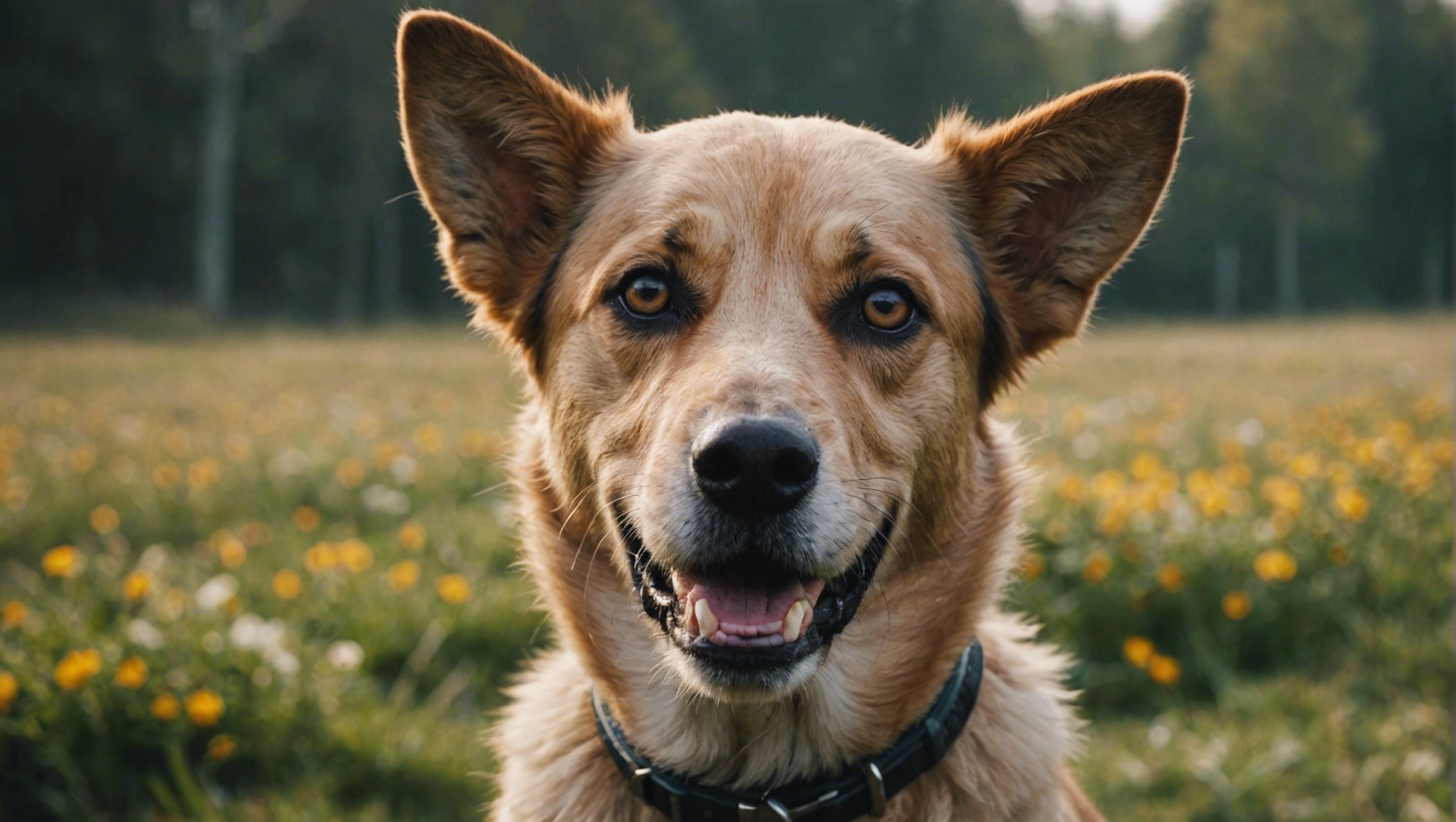
Dental hygiene is crucial to your dog’s overall health. Choose the right one toothbrush and the good toothpaste is essential for maintaining your pet’s oral health.
How to choose the ideal toothbrush for your dog?
To select a toothbrush suitable for your dog, take into account the size of his mouth and teeth. There are basically two types of dog toothbrushes:
- Manual toothbrushes: These brushes resemble human brushes but are specifically designed for dogs, with softer bristles and a head that is often more angled to better reach all areas of the mouth.
- Finger toothbrushes: They fit on your finger, giving you total control and better touch sensitivity to clean your pet’s teeth and gums. They are especially useful for dogs who are less cooperative or for small dogs with narrow mouths.
It is advisable to start brushing your dog’s teeth from a young age to get him used to this process, which can greatly reduce the stress and anxiety associated with this activity.
Choice of toothpaste: safety and effectiveness
The choice of toothpaste is just as crucial as that of the brush. It is imperative to use a toothpaste specially formulated for dogs, as human toothpastes may contain ingredients that are toxic to animals, such as xylitol. Toothpastes for dogs come in several flavors that are appetizing to them, such as chicken or beef, making it easier for them to accept brushing.
- Enzymatic: These toothpastes contain enzymes that help reduce plaque and tartar by breaking down the substances that build up there.
- Organic: Made from natural ingredients, these toothpastes are often preferred by owners concerned about the environment and their dog’s long-term health.
- Anti-plaque: Designed to control or reduce the formation of plaque and tartar, thereby reducing the risk of periodontal disease.
Dog Dental Hygiene FAQs
1. How often should I brush my dog’s teeth?
Ideally, brushing your teeth should be done daily to effectively prevent the formation of plaque and tartar. However, if this is not possible, try to brush your teeth several times a week to maintain good dental hygiene.
2. What are the signs of dental problems in dogs?
Warning signs include bad breath, bleeding gums, changes in eating or chewing habits, and irritability. If you observe any of these symptoms, consult a veterinarian.
3. Can toothbrushing alone be enough to manage my dog’s dental health?
Brushing your teeth is essential, but it must be supplemented by regular check-ups with the veterinarian and potentially professional cleanings, according to the veterinarian’s recommendations.
Recommended brushing frequency and technique

Importance of dental hygiene in dogs
Dental hygiene is crucial to your dog’s overall well-being. Just like in humans, poor oral hygiene can lead to periodontal disease, infections, and other health problems. THE regular brushing of your dog’s teeth helps prevent the formation of plaque and tartar, and reduces the risk of oral diseases.
Optimal brushing frequency
Veterinarians recommend brushing your dog’s teeth several times a week, ideally every day. Daily brushing is the best way to ensure a clean and healthy mouth, minimize tartar build-up and avoid dental pathologies. For dogs who cannot tolerate daily brushing, a frequency of at least three to four times per week is recommended.
Choice of toothbrush and toothpaste
It is essential to use a toothbrush designed especially for dogs, as human brushes may be too harsh for their sensitive gums. Choose a brush with soft bristles and the appropriate size for your dog’s mouth. As for toothpaste, opt for a formula specifically designed for canines, as human toothpastes contain ingredients that can be toxic to dogs.
Effective brushing technique
- Start by getting your dog used to brushing by gently touching his teeth and gums with your finger.
- Apply a small amount of dog toothpaste to the toothbrush.
- Gently lift your dog’s lip to expose his teeth and gums.
- Brush with gentle, circular motions, focusing on the gum line. Don’t forget the back teeth, which are often neglected.
- End with a reward to associate the experience with something positive.
Canine Dental Hygiene FAQs
What are the signs of dental problems in dogs?
Signs include bad breath, red or swollen gums, loss of appetite, and difficulty chewing. If you observe any of these symptoms, consult a veterinarian.
Can chew toys replace brushing?
Although chew toys and dental treats can help with oral hygiene, they do not replace a regular brushing. They are complementary and help reduce plaque between brushings.
At what age should you start brushing a puppy’s teeth?
It is advisable to start brushing as soon as possible, ideally when the puppy is around three to four months old, to get him used to this routine at a young age.
Signs of Dental Problems in Dogs
Persistent bad breath
A bad breath or halitosis is not only unpleasant for owners; it can also be an indicator of a buildup of plaque, tartar or more serious gum problems in dogs. It is crucial not to ignore this persistent smell as it can signal a oral infection or other underlying health conditions.
Change in eating behavior
If a dog suddenly begins to showhesitation to eat, changes his chewing habits, or if he seems to prefer one side of his mouth, this may indicate a tooth pain. Dogs might also drop their food or eat more slowly than before, which also suggests discomfort while chewing.
Reddish or bleeding gums
Healthy gums should be pink and firm. If you notice that they are red, swollen or bleeding, this could be a sign of gingivitis or other gum disease. Bleeding can often be seen during or after the dog eats, or even while playing with its toys.
Visible tartar buildup
The accumulation of tartar—a yellow or brownish substance on the teeth—is an indicator of developing dental problems. Left untreated, tartar can lead to more serious infections and tooth loss.
Examination of teeth and gums
It is important to regularly check the condition of teeth and gums of your dog. Look for signs of broken, loose, or missing teeth, as well as any abnormalities in your dog’s mouth that could indicate a pain or infection.
Change in mouth odor
Besides bad breath, change in mouth odor could also be a sign that something in your dog’s dental health is not going well. Unusual odors may signal an infection or other problems requiring veterinary intervention.
FAQs About Dental Problems in Dogs
Q: How often should I check my dog’s teeth?
A: It is recommended to check the teeth monthly and have a professional cleaning done at least once a year by a veterinarian.
Q: How to prevent dental problems in dogs?
A: Maintaining good oral hygiene through daily brushing, using specific toys and treats, as well as regular checkups at the veterinarian can help prevent these problems.
Q: What should I do if I notice any of the signs of dental problems in my dog?
A: If you observe one or more of the signs discussed, consult your veterinarian for a thorough examination and treatment recommendations tailored to your dog.
Food and toys beneficial for dental health
L’dental hygiene of dogs is a crucial aspect of their overall health. Poor dental health can not only lead to oral diseases, but also affect other parts of the body, including the heart and kidneys. To keep your dog’s teeth healthy, it is essential to incorporate a proper diet and the use of toys specially designed for this purpose.
Impact of diet on the dental health of dogs
Diet plays a key role in preventing dental problems in dogs. Dry foods, for example, can help reduce plaque and tartar. Here are some key elements to include in your dog’s diet to promote good dental health:
- Specific kibbles : Kibble designed for dental care often has a texture and size that encourages the dog to chew, which helps mechanically clean the tooth surface.
- Foods rich in fiber : They stimulate chewing and can thus reduce dental plaque.
- Dietary supplements : Some supplements are formulated to support oral health by strengthening teeth and gums.
However, it is essential to consult a veterinarian to adapt the diet to the age, size, breed, and specific needs of your dog, especially if the latter has pre-existing health problems.
Choosing the right toys for dental health
Toys are not just entertainment tools for dogs; they can also help maintain good oral conditions. Here is a selection of useful toys forcanine dental hygiene:
- Chew toys : Made from durable materials, these toys encourage dogs to chew for a long time, helping to clean teeth naturally.
- Interactive toys : These toys release small amounts of food when handled, stimulating chewing and reducing boredom.
- Knotted rope : Chewing ropes can help remove food debris stuck between teeth and gently massage gums.
However, it is very important to choose toys that match your dog’s jaw size and chewing strength to avoid any risk of choking or dental damage. Always supervise your dog when playing with chew toys.
Dog Dental Hygiene FAQs
1. How often is teeth brushing recommended for dogs?
It is advisable to brush your dog’s teeth several times a week. The ideal would be to do it daily to effectively prevent plaque and tartar.
2. Are there signs of dental problems in dogs?
Yes, signs can include bad breath, reluctance to eat, bleeding gums or visibly damaged or missing teeth. If in doubt, consult a veterinarian immediately.
3. Are dental treats effective?
Dental treats can be a helpful addition to a dental care routine, but they should not replace regular brushing or professional veterinary exams.
Maintain a good dental hygiene is essential for the health and well-being of your dog. By combining a proper diet with the use of appropriate toys and regular brushing, you will help preserve his smile healthy for many years.