


How to protect your dog from extreme temperatures in summer and winter?

Protecting your faithful companion from harsh weather is essential all year round. Discover effective strategies and practical tips to keep your dog comfortable and safe during the heatwaves of summer and the cold of winter. Learn to anticipate the risks associated with extreme temperatures and adapt your animal’s environment to maintain its joy of life, whatever the season.
Understanding the risks of hot and cold for your dog
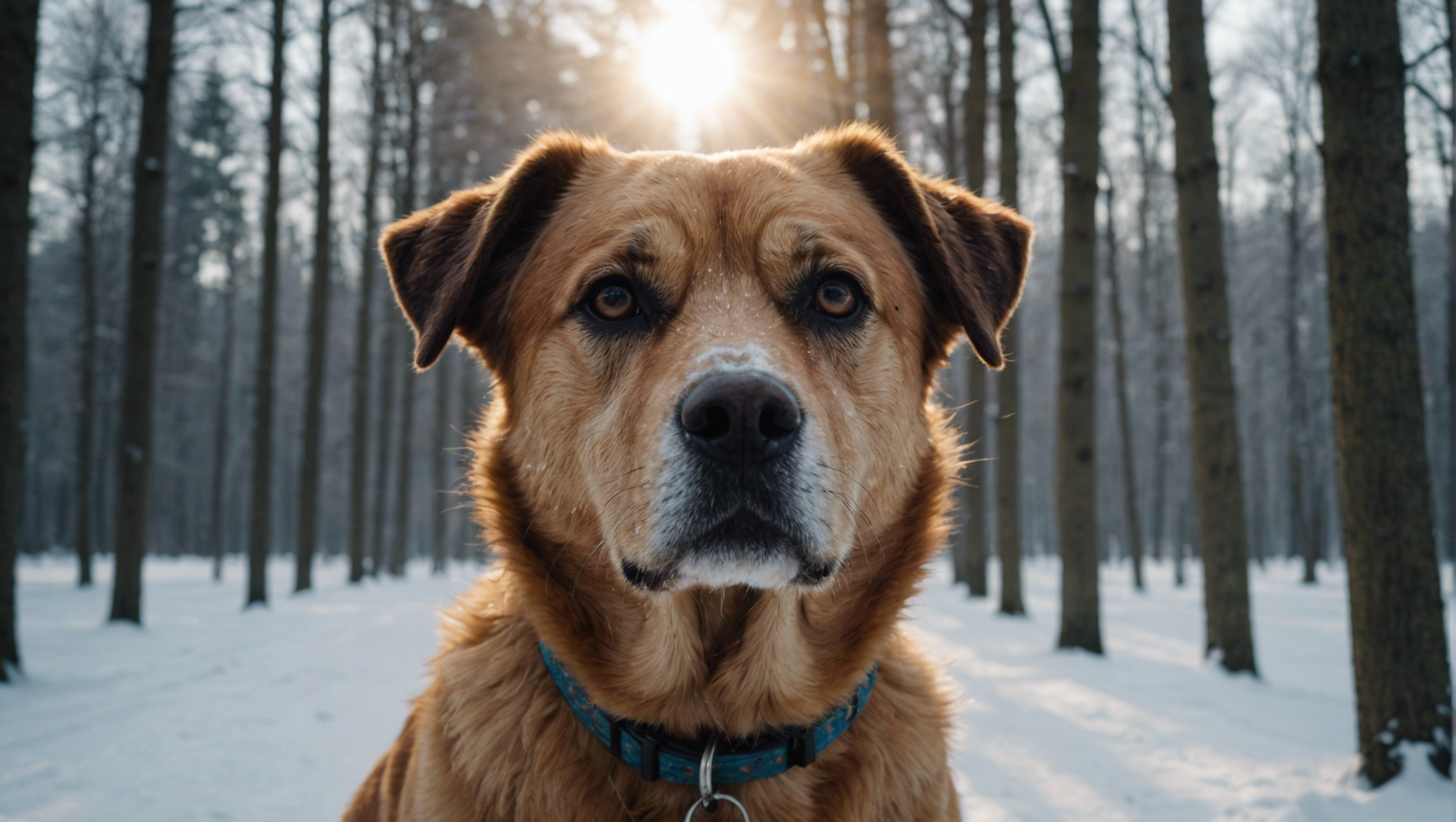
Dogs, like humans, are sensitive to temperature fluctuations, and it is crucial to know the risks associated with both cold and extreme heat. The responsibility of pet owners includes ensuring their safety and well-being in the face of varying weather conditions. This requires in-depth understanding and specific preventive actions.
The dangers of extreme heat for dogs
Periods of high heat can be particularly difficult for dogs. This is because they do not sweat in the same way as humans and regulate their temperature mainly by panting, which makes them vulnerable to extreme heat. Risks include heat stroke, dehydration and pad burns from hot surfaces. It is therefore crucial to limit intensive exercise during the hottest hours, always provide fresh water and create shaded areas so they can cool off.
- Avoid walks in direct sunlight between the hottest hours of the day.
- Use pad protectors if necessary.
- Ensure a hydration adequate at all times.
Cold and the risk of hypothermia in dogs
Exposure to cold weather can also pose significant dangers to dogs, including hypothermia and frozen extremities. Dogs with short hair or little body fat are particularly at risk. To protect your pet during the winter, consider using coats or boots when going outside. It is also essential to reduce the duration of walks in very cold weather and to dry your dog as soon as you return home to prevent him from retaining moisture on his coat.
- Wear a coat or sweater adapted to the size and shape of the dog.
- Limit the time spent outdoors on particularly cold days.
- Watch for signs of thrill or discomfort.
Recognizing symptoms of distress related to extreme temperatures
It is vital to know how to identify signs of distress in your dog during periods of extreme temperatures. If in heat, watch for symptoms such as excessive panting, heavy drooling, lethargy, or even vomiting. In winter, watch for shivering, weakness, or withdrawal reactions when touching icy surfaces. At any time, if your dog shows signs of distress, take him to shelter and consult a veterinarian.
FAQs on Protecting Dogs from Extreme Temperatures
How do I know if my dog is dehydrated?
A dehydrated dog may have dry, sticky gums and reduced skin elasticity. You can test this by gently pinching your dog’s skin; if it does not return to its normal position quickly, it is likely that he is dehydrated.
What time of day is it safe to walk my dog in the summer?
It is best to avoid walks in the middle of the day when the sun is at its highest. Prefer the early hours of the morning or the late hours of the afternoon when the temperatures are milder.
Are there dog breeds more vulnerable to extreme temperatures?
Yes, certain breeds such as older dogs, puppies, and those with short hair or low body fat reserves are more likely to suffer from the cold. Conversely, flat-faced (brachycephalic) breeds may have difficulty breathing in high heat.
Essential precautions and equipment for protecting your dog
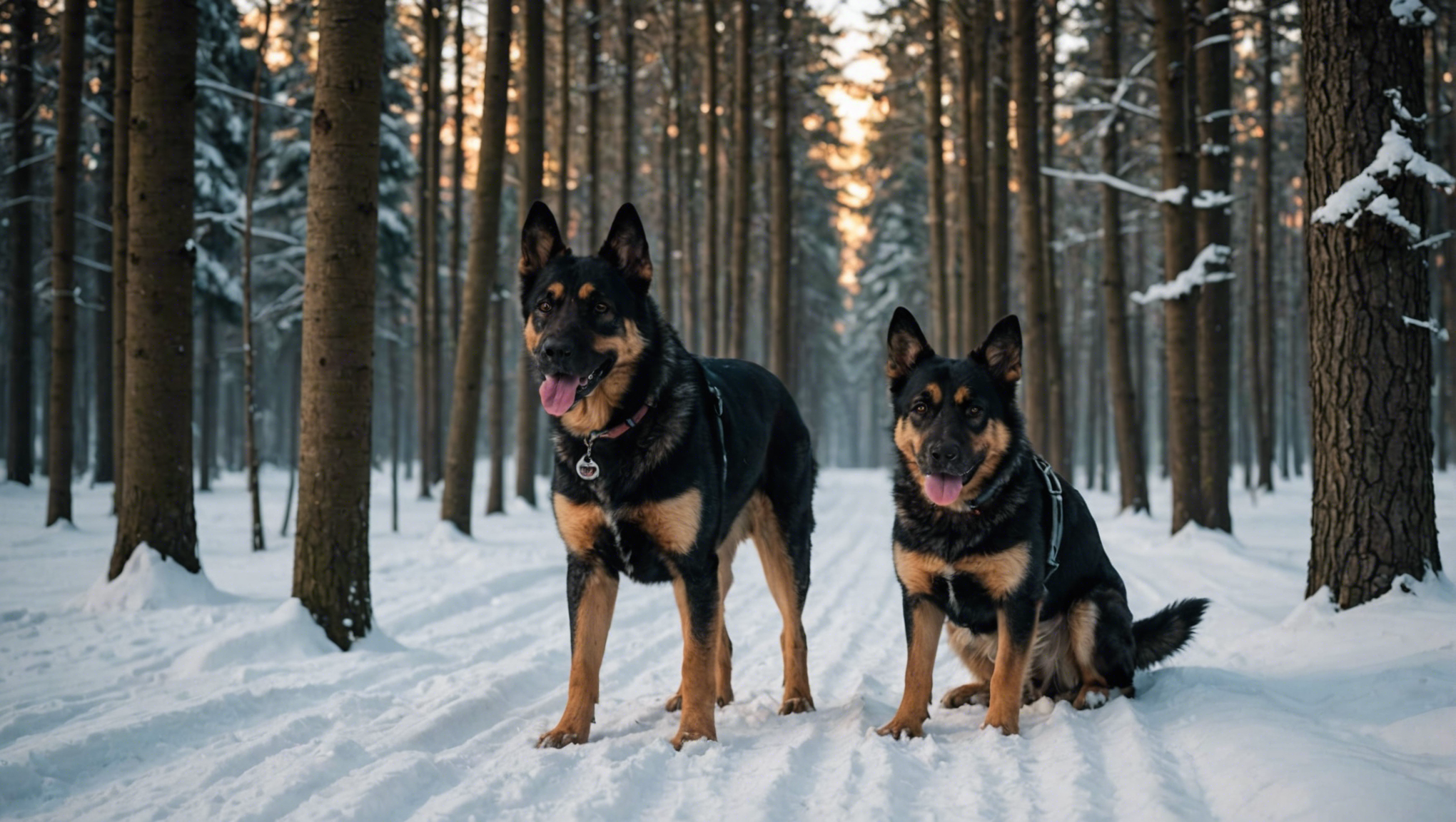
Faced with climatic variations, it is crucial to take adequate measures to guarantee the well-being of our dogs. Extreme temperatures, whether high or low, can pose significant health risks to our four-legged friends. Protecting your dog against these conditions requires special attention and the use of appropriate equipment.
Recognize the signs of distress related to extreme temperatures
The first step toward protecting your dog is being able to identify the signs of heat stress. In periods of intense heat, watch for symptoms like excessive panting, drooling, unusual fatigue, or heat stroke. In case of extreme cold, signs such as shivering, reluctance to move, or frostbite are immediate alerts.
Essential equipment for heat
During the summer or in hot climates, equipping your dog properly is essential. Articles like cooling vests and the protective shoes to avoid contact with burning bitumen are a must. Also make sure you always have fresh water available to avoid dehydration.
Essential equipment for the cold
When temperatures drop, it is important to provide your dog with accessories such as insulating coats or some protective boots. This equipment will keep him warm during his walks and protect his pads from irritants like de-icing salt.
Adapt physical activity
Moderating your dog’s physical activity depending on the climate is essential to avoid risks to his health. During the big days heat, favor morning or evening walks when the temperatures are milder. In winter, limit the time spent outdoors to prevent the risk of hypothermia.
FAQs on Protecting Dogs from Extreme Temperatures
What are the dog breeds most sensitive to extreme temperatures?
Short-haired breeds or those native to warm climates, such as Chihuahuas or Greyhounds, are particularly vulnerable to the cold. Conversely, northern breeds such as the Husky may be more sensitive to heat.
How do I know if my dog is dehydrated?
A simple way to test for dehydration is to gently pinch your dog’s skin. If it does not return to its normal position quickly, it may indicate a lack of hydration.
Is it necessary to change my dog’s diet according to the seasons?
Yes, it can be beneficial. In winter, dogs may require more calories to maintain body temperature, while in summer, a lighter diet may be appropriate, especially if physical activity is reduced.
Practical advice for your dog’s physical activity in extreme conditions
Protect your dog during physical exercise in extreme weather conditions requires preparation and caution to ensure its safety and well-being. Whether in extreme heat or freezing cold, temperature extremes present specific risks to the health of our canine companions.
Precautions in case of high heat
There heat can be especially dangerous for dogs because they don’t sweat in the same way humans do and rely primarily on panting to regulate their body temperature. Here are some steps to take:
- Hydration: Make sure your dog always has access to fresh, clean water.
- Early or late morning activities: Prefer cooler times for your walks or games outside.
- Hot surfaces: Avoid hot asphalt or sand which can burn your dog’s paw pads.
- Sun protection: Use sunscreen specifically designed for dogs, especially if they have light coats or hairless areas.
Protection against extreme cold
THE cold can also be a danger for dogs, especially for those who do not have a coat suitable for low temperatures. To keep your dog warm and safe:
- Suitable clothing: A coat or sweater may be necessary, especially for short-haired dogs.
- Limiting time outdoors: Reduce the duration of outings in very cold weather.
- Hydration and Feeding: Make sure they get enough water and food, as they spend more energy keeping warm.
- Paw care: Apply a protective balm to the paw pads before going out and examine them upon return for any cracks or injuries.
Managing Anxiety and Stress Related to Extreme Weather
Some dogs may become anxious or stressed due to extreme weather conditions. Steps can be taken to help your dog feel more comfortable:
- Safe environment: Create a safe space indoors where your dog can rest comfortably away from outside noise and extreme temperatures.
- Stimulating Toys: Offer toys that encourage indoor play to keep him mentally active.
- Consistent routine: Maintain a regular routine to provide a sense of normalcy and security.
FAQs
How do I know if my dog is dehydrated?
A common sign of dehydration in dogs is skin elasticity. To test this, gently pinch the skin on your dog’s back. If it doesn’t return to its normal position quickly, your dog could be dehydrated. Other signs include dry gums and excessive panting.
What type of sunscreen is appropriate for dogs?
It is important to use sunscreen formulated specifically for dogs. Human sunscreens may contain ingredients that are toxic to dogs if they lick them.
Does my dog really need a coat in winter?
This depends on your dog’s breed, age, health and coat. Short-haired dogs or those who are very young, elderly, or have certain health problems may benefit from additional clothing to help them maintain their body temperature in winter.
Warning signs and first aid for temperature-related problems
Exposure to extreme temperatures, whether they are very hot or very cold, can be dangerous for dogs. Understanding the warning signs and knowing how to react can save your four-legged friend’s life.
Signs of Heat-Related Distress in Dogs
Dogs don’t sweat like humans; they regulate their temperature mainly by panting. When a dog is exposed to excessive heat, it can develop a heatstroke, which can be fatal if not treated promptly. Here are some signs that your dog may be suffering from the heat:
- Excessive or difficult panting
- Extreme restlessness or lethargy
- Red gums or blue/purple tongue
- Vomiting or diarrhea
- Collapse or loss of consciousness
Signs of cold-related distress in dogs
In winter, the risk of frostbite and hypothermia increases, especially for breeds that are not adapted to the cold. Signs that your dog may be in danger from the cold include:
- Chilliness or persistent tremors
- Skin cold to the touch, especially on the extremities
- Lethargy or refusal to move
- Pale or gray skin on the ears, tail or legs
First aid for heatstroke
In case of heatstroke, it is crucial to quickly reduce the dog’s body temperature. Here are some steps to follow:
- Take your dog to a cool, shaded area immediately.
- Apply cool, not ice-cold, water to his body. Avoid cooling the dog too quickly, which could be counterproductive.
- Offer him some cool water to drink, but don’t force him to drink.
- Take your dog to the vet as soon as possible, even if he appears to be recovering.
First aid for hypothermia
For a dog suffering from hypothermia, warming him is essential. Follow these steps:
- Wrap your dog in warm blankets.
- Use a hot water bottle wrapped in a towel, placed near his abdomen.
- Provide a gentle, constant heat source until arrival at the veterinarian.
Preventing Problems Related to Extreme Temperatures
Prevention is the best strategy to protect your dog from the dangers of extreme temperatures. Here are a few tips :
- Never leave your dog in a car in summer, even for a short time and even with the windows ajar.
- Avoid strenuous exercise on very hot or very cold days.
- Make sure your dog has access to adequate shelter from wind, rain, and snow.
- Consider using dog coats or boots in very cold climates, especially for short-haired breeds.
FAQs on Protecting Dogs from Extreme Temperatures
At what temperature should you protect your dog from the cold or the heat?
Sensitivity varies depending on the breed, age and health of the dog, but it is prudent to take precautions when the temperature is below 0°C for cold, or above 30°C for heat .
How do I know if my dog needs a coat in winter?
Short-haired dogs, older dogs, or those with compromised health may benefit from a coat in winter, especially if you notice that they are shivering or seem uncomfortable when temperatures drop.
Are there breeds more resistant to extremes?
Yes, some breeds like the Siberian Husky or Alaskan Malamute are better adapted to the cold, while short-haired breeds such as Greyhounds may be more vulnerable to the heat.