


How to secure your home to avoid accidents involving dogs?

As a dog lover and passionate about their well-being, you’ve probably already wondered how to make your home safer for your four-legged friends. Domestic accidents involving dogs are more common than you might think, but fortunately, most can be avoided with a few simple, effective adjustments. This article will guide you through practical advice and proven strategies for securing your environment, in order to best protect your faithful friends against hidden dangers at home. Protect what you love most by adopting good practices for a secure home suitable for all curious truffles!
Selection of safe products for pets
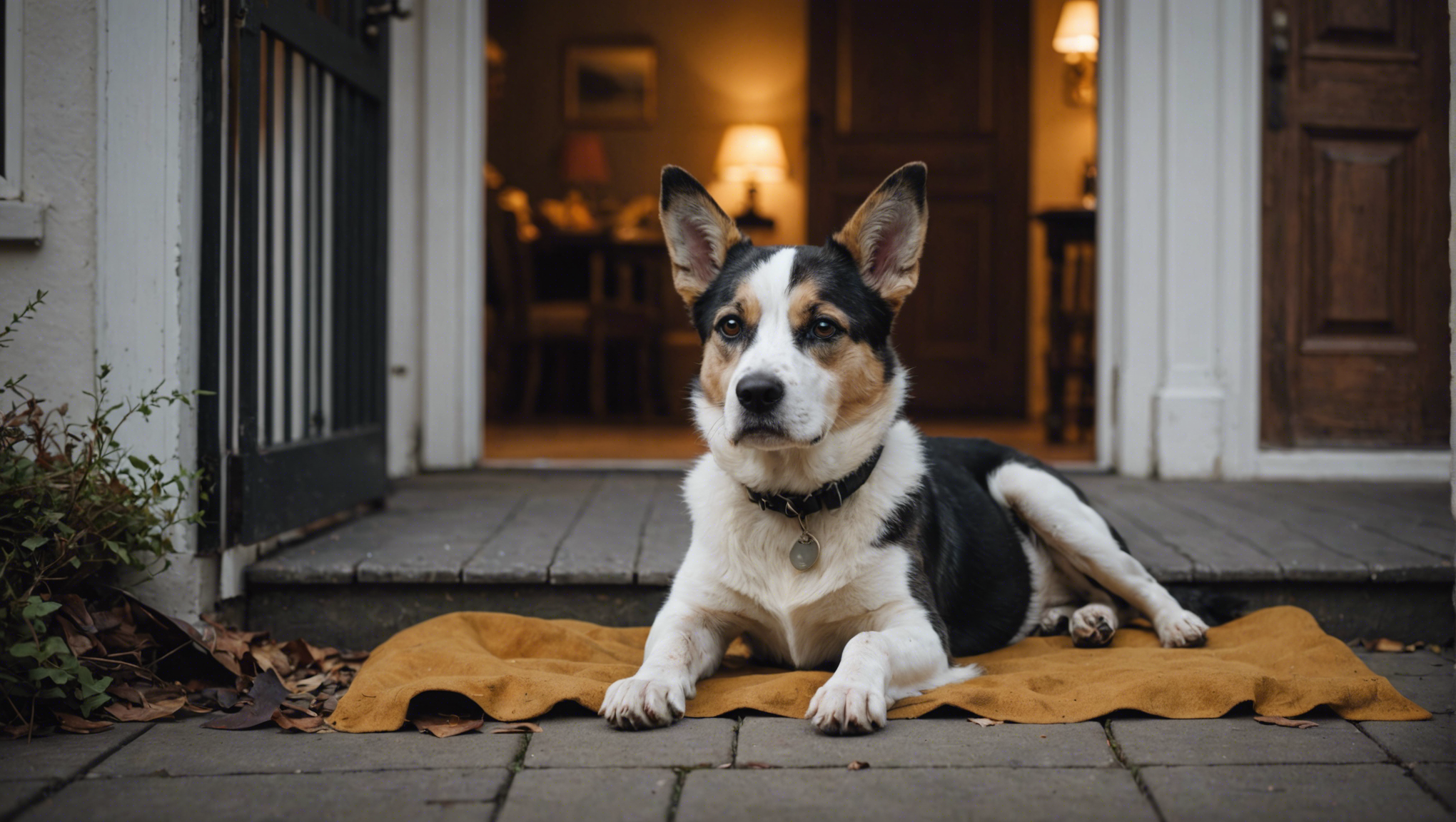
The security of pets is a major concern for homeowners. Choosing the right products can go a long way in preserving their health and their well-being. Here are some essential elements to consider to ensure a safe environment and safe activities for your four-legged companions.
Toys and entertainment
THE toys play a crucial role in the behavioral and physical development of animals. Be sure to select toys appropriate for the size and strength of your pet, to avoid the risk of ingestion or suffocation. Materials should be non-toxic and durable, especially for dogs who tend to chew. Avoid small, detachable parts that could be swallowed.
Power supply and accessories
Choose the right one food is vital, but the accessories used for feeding are just as important. Stainless steel or ceramic bowls are preferable because they do not release chemicals and are easy to clean. Avoid low-quality plastics that may contain BPA and other harmful chemicals. Also consider the feeding location, which must be clean, secure, and free from parasites.
Care and hygiene products
The products of personal care for animals must be chosen carefully. Opt for shampoos, brushes and grooming items specially formulated for pets. Check that products are free of parabens, artificial colors and strong fragrances, which could irritate the skin or cause allergies. For the control of parasites, favor treatments recommended by animal health professionals.
Beds and sleeping arrangements
The choice of a bed adapted contributes to good rest and helps prevent joint problems. Orthopedic beds are especially beneficial for older pets or those with arthritis. Make sure the material is hypoallergenic and easy to clean, which is crucial for maintaining good hygiene and avoiding build-up of hair and dust mites.
FAQs
What types of toys are safest for dogs?
Toys made from durable, non-toxic rubber, without small detachable parts, are ideal for ensuring the safety of your dogs.
Is it safe to use plastic bowls for my pet’s food?
It’s best to avoid cheap plastic bowls that may contain BPA and other harmful chemicals, and favor stainless steel or ceramic bowls.
How to choose a suitable bed for an elderly pet?
Opt for an orthopedic bed with good support for the joints. Make sure it is hypoallergenic and easy to clean to maintain optimal hygiene.
Dog Training and Education Strategies
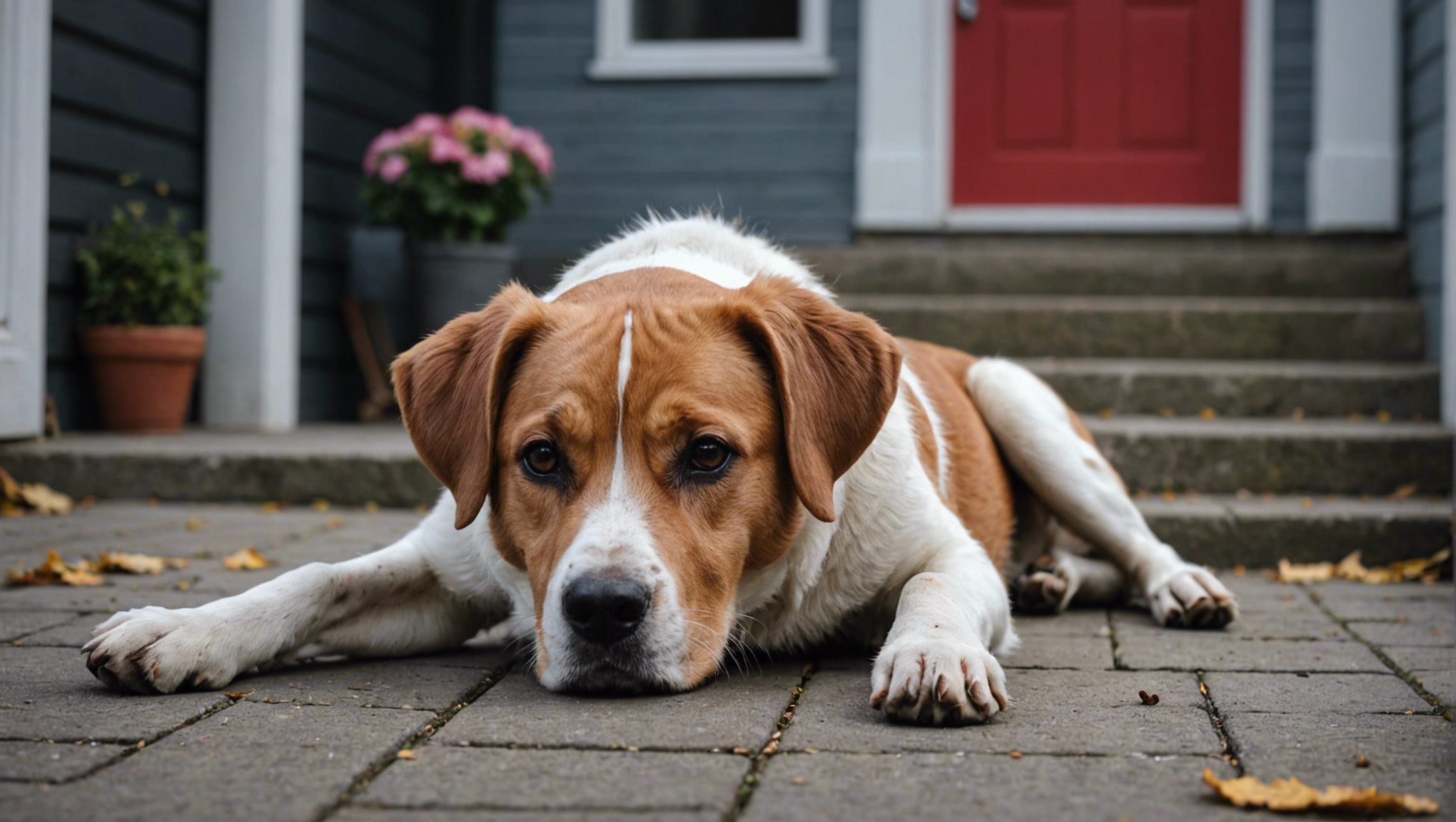
There dog safety is a crucial aspect of life with a dog. Not only does it protect the animal, but it also ensures the safety of people and other animals around. Implementing effective strategies for training and education is essential for developing appropriate behavior in dogs, while strengthening the bond between the animal and its owner.
Understanding Canine Behavior
The first step to effective training is to understand the dog behavior. Dogs communicate primarily through their body language. Observing a dog closely can help identify its fears, anxieties and needs. Training must be adapted to each dog, taking into account its age, breed, history and behavioral characteristics.
Basic Training Techniques
Basic training should include commands such as “sit,” “stay,” “come,” and “no.” These simple commands are fundamental for controlling the dog in various situations. It is crucial to begin training as soon as possible, ideally upon adoption. Using a positive reinforcement approach increases confidence and reduces unwanted behavior.
- Reward the dog for desired behaviors with treats or praise.
- Avoid punishment, which can induce fear and aggression.
- Use training tools, like clickers or toys, to make learning more engaging.
Separation Anxiety Prevention
L’separation anxiety is a common problem in dogs. This can lead to destructive and stressful behaviors. To prevent this problem, it is advisable to create a safe and comfortable environment for the dog. Using calming music, interactive toys and comfortable cushions can help reduce anxiety when left home alone.
Specific Safety Training
In addition to general training, some dogs may benefit from specific training for particular situations such as contact with young children, the presence of other animals, or busy environments. Specialized courses from professional trainers can be considered for these specific needs, ensuring correct socialization and appropriate behavior.
FAQs
- At what age should you start training a dog?
It is recommended to begin training as soon as the dog is adopted, even if it is a puppy. The sooner a dog starts learning, the better for his education and future behavior. - What reinforcement method is recommended during training?
The most encouraged method is positive reinforcement. Rewarding dogs for good behavior with treats, praise, or toys helps solidify these behaviors. - How can you reduce separation anxiety in a dog?
Creating a safe environment, using stimulating toys, and sometimes playing soft music can help calm your dog’s anxiety. Regular routines and habituation exercises can also be beneficial.
Recommended adjustments in the home
To ensure the security optimal within the habitat, different arrangements can be considered. These modifications aim to reduce the risk of accidents and increase comfort and safety for all occupants, including pets. Reviewing the options available helps create a safe environment tailored to the specific needs of each home.
Opening security improvements
Windows and doors are essential access points which must be secured to avoid intrusions but also to avoid domestic accidents such as falls from height. Of the locking systems reinforced, security grilles, and the use of burglar-proof glass can greatly improve the safety of openings. It is also advisable to equip windows with blocking systems so that they do not open enough to allow a child or animal to pass through.
Securing outdoor spaces
Gardens, terraces and other outdoor spaces can also present risks, particularly for children and pets. Make sure fences are sturdy and high enough to prevent animals from escaping and intruders from entering. The installation of surveillance cameras can also be an effective deterrent against break-in attempts. In addition, securing swimming pools with automatic covers or some safety barriers is essential to prevent drowning.
Optimization of light and visibility
Good lighting is crucial to preventing accidents, especially at night. Installing motion sensor lights around the property can not only deter burglars but also reduce the risk of falls by improving visibility. Indoors, make sure hallways and stairways are well lit to prevent trips and falls, especially if seniors or children live in the home.
Fire-fighting measures
To prevent the risk of fire, it is advisable to install smoke detectors in all levels of the house and near risk areas, such as the kitchen and boiler. Having an easily accessible fire extinguisher and ensuring that everyone in the household knows how to use it is also crucial. Also consider installing sprinklers or an alarm system linked to a monitoring service for rapid response in the event of a fire.
Mobility and accessibility
For homes housing people with reduced mobility, the layout of the home must include adapted facilities such as access ramps, elevators or stair lifts, and support bars in bathrooms. These adaptations allow easy movement around the home while reducing the risk of falls, an important factor in keeping seniors and disabled people at home.
Surveillance and routines to adopt for security
There pet safety is a major concern for attentive homeowners. Adopt appropriate monitoring routines can greatly contribute to preventing accidents and ensuring the well-being of our four-legged friends. It is fundamental to understand the different aspects and techniques that come into play to create a secure environment.
Establishing a Daily Routine
The establishment of a daily routine is essential for the safety of pets. It should include regular times for meals, walks and rest times. Fixed schedules help instill a sense of security in the pet and allow owners to quickly detect any unusual behavior that could indicate a health problem or stress.
- Daily check of the animal’s living environment to eliminate potential dangers such as small objects that could be ingested.
- Monitoring the quantity and quality of food to prevent nutritional disorders.
- Integration of physical and mental exercises to keep the animal active and engaged.
Importance of technological monitoring
There technology plays a crucial role in the monitoring and safety of pets. The use of security cameras, of motion sensors and D’mobile apps allows you to monitor the animal’s environment in real time and intervene quickly if necessary. These tools are especially useful for homeowners who spend a lot of time away from home.
Incorporating devices like GPS collars can also be an effective measure, especially for animals with a tendency to escape or get lost. These devices make it possible to locate the animal precisely and quickly.
Training and first aid
Training for FIRST AID is an essential component of animal safety. Knowing basic techniques can make a difference in emergency situations. Owners are advised to take training on how to respond in the event of shock, injury, or other medical emergencies.
- Learn to identify signs of common illnesses in animals.
- Techniques for reassuring an animal in cases of severe stress or anxiety.
- Know when and how to transport an injured animal to a veterinarian.
Creating an enriching environment
To create a enriching environment is crucial for the mental and physical well-being of the animal. This includes providing interactive objects like toys, puzzles and exercise equipment that stimulate their curiosity and maintain their physical activity.
A well-structured environment can prevent many problems such as boredom and anxiety, which often lead to destructive or dangerous behavior. In addition to making the space physically secure, it is important to make it stimulating and engaging.
Frequently Asked Questions
1. What are the first signs of anxiety in a dog?
Signs may include increased paw licking, frequent whining, destructive behavior, or changes in appetite.
2. How can I make my home safer for my pet?
Start by removing small dangerous objects, securing windows and balconies, and making sure all toxic products are out of reach.
3. Is it necessary to equip my dog with a GPS device?
It depends on your specific situation. If you live in an area where your dog could easily get lost, a GPS device can be an excellent safety measure.