


How to act in an emergency to rescue a dog?

Faced with an emergency, every second counts to save the lives of our faithful four-legged companions. This article walks you through the crucial steps you need to take to respond effectively in the event of a dog emergency. Whether for injuries, poisoning, or sudden crises, knowing the right actions can make all the difference. Prepare yourself to become a savior for our canine friends by learning to react promptly and correctly in critical moments.
Assess the emergency situation
Recognize the Signs of Distress
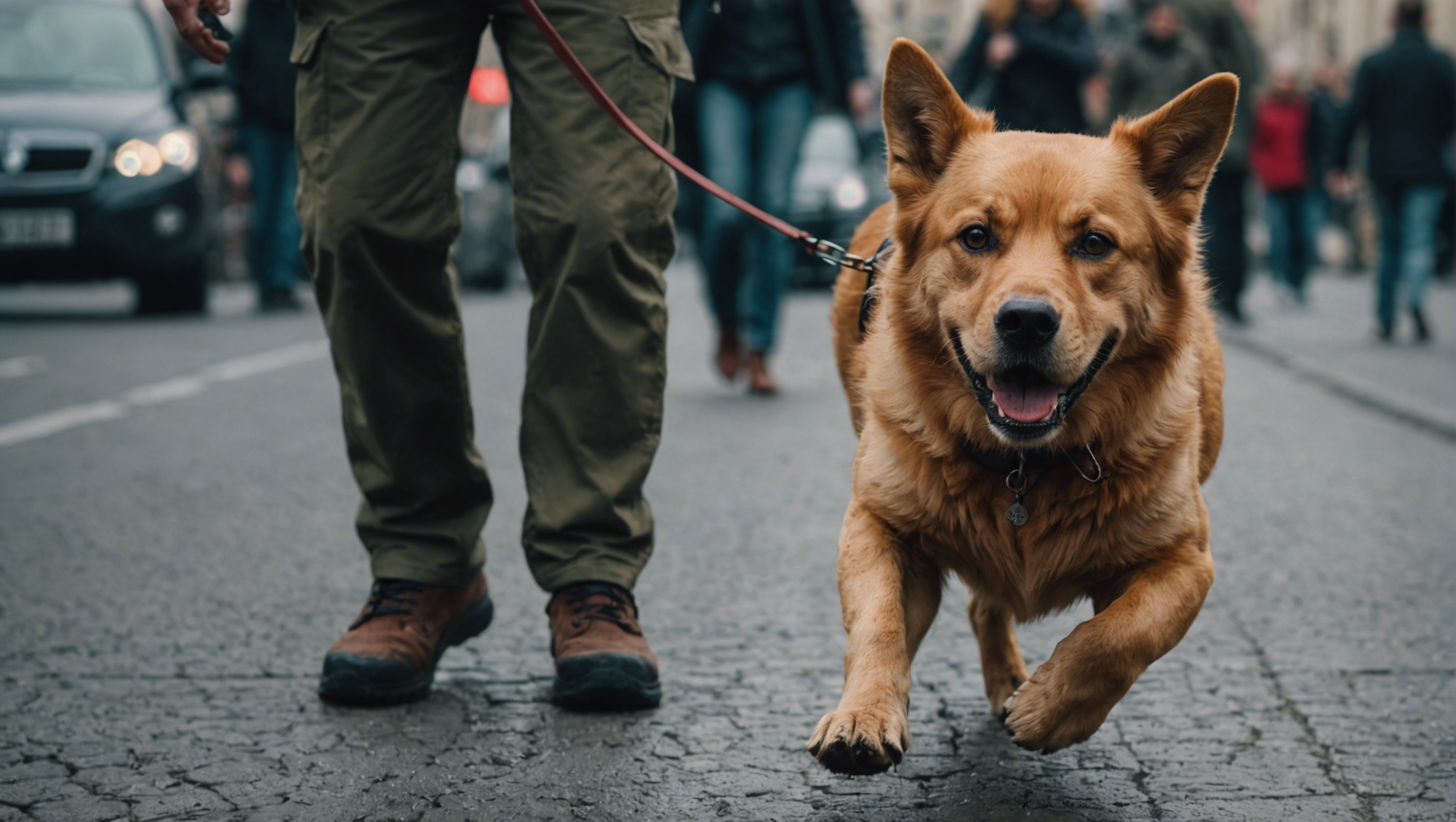
To respond effectively to an emergency involving a dog, the first step is to recognize the signs of distress. A dog in an emergency situation may exhibit various symptoms such as excessive panting, of the moans, an inability to get up, loss of consciousness or visible bleeding. It is crucial to know how to identify these signs to correctly assess the seriousness of the situation.
Assess Environmental Safety
Before approaching a dog in distress, it is essential to ensure environmental safety. This includes making sure there are no additional hazards such as moving vehicles, accessible toxic substances, or other animals that could make the situation worse. If the environment presents dangers, it is advisable to eliminate them if possible, or to move the dog if this can be done without risk.
Approach the Dog with Caution
Approaching an injured dog requires careful caution. Even the friendliest dog can bite out of fear or pain. Speak gently and remain calm to reassure the dog. If you don’t know the animal well, it may be best to leave the procedure to someone the dog knows well or to professionals.
Administer Appropriate First Aid
Once you are sure that you can touch the dog without risk to you or him, assess the nature of his injuries. For cases like bleeding, apply gentle pressure with a clean bandage to try to stop the bleeding, and cover the dog with a blanket to keep him warm and calm. It is essential not to administer medications without the advice of a veterinarian.
Contact a Professional
After stabilizing the dog, immediately contact a veterinarian or a veterinary clinic. Explain the situation clearly and follow their instructions. If possible, arrange transportation to get the dog to the vet quickly and safely.
FAQs
How do I know if a dog needs immediate help?
Signs such as difficulty breathing, heavy bleeding, loss of consciousness, or inability to stand are critical and require immediate intervention.
Is it safe to approach an unknown dog in distress?
It is always best to err on the side of caution. If you are unsure of how the dog will react, it is best to wait for help from professionals trained to handle these situations.
What to do if a dog is in distress in a dangerous place?
If possible, move the dog away from immediate danger. If this is not possible, secure the area and call for help quickly while keeping a safe distance.
Apply appropriate first aid
When faced with an emergency situation involving a dog, knowing how to react can make all the difference. First aid is never a substitute for professional veterinary care, but it can stabilize the animal while awaiting arrival or transport to the veterinarian.
Situation assessment and initial safety measures
Before providing any care, assess the situation to avoid any potential danger to you and the animal. Make sure the environment is safe and the dog is not exhibiting aggressive behavior due to pain or fear. Approach the animal gently, speaking in a calm voice so as not to frighten it further.
Initial approach: Assess consciousness and breathing
First observe if the dog is conscious and breathing. A lack of reaction or breathing requires immediate action. If you do not detect breathing or a heartbeat, start by performing cardiopulmonary resuscitation (CPR).
- Place the dog on the right side.
- Extend its legs forward.
- Apply gentle but firm chest compressions if you are alone, or alternate with breaths if there are two responders.
Management of hemorrhages:
THE hemorrhages can be external or internal. For external bleeding, apply pressure directly to the wound with a clean bandage or tissue. Never remove a blood-soaked dressing, but instead add another on top if necessary.
Specific care depending on the nature of the emergency
- Fractures: Immobilize the injured area without trying to correct the deformity.
- Seizures: Move away any object that could injure the dog during the seizure, and do not try to control its movements.
- Heatstroke: Cool the dog gradually with cool, but not ice-cold, water and provide adequate ventilation.
Transport to an animal health professional
After stabilizing the dog, transport it to a veterinarian immediately. If possible, contact the veterinarian en route to inform them of the situation and the first aid already administered.
FAQs
What should I do if I find a dog unconscious but breathing?
Place him in the safety position (on his side), check that there are no obstructions in his mouth and watch him until help arrives or transport to the veterinarian.
Common signs include visible deformity, swelling, or severe pain on handling. However, limit handling so as not to aggravate the injury.
No, never give medications designed for humans to a dog without first consulting a veterinarian, as they can be toxic to animals.
When to contact a veterinarian
When faced with an emergency involving a dog, it is crucial to know how to identify the signs that require immediate veterinary intervention. There security and the well-being of the animal must always be given priority. This article explores the circumstances under which it is imperative to contact an animal health professional.
It is important to recognize emergency symptoms to act quickly and effectively. Here are some key indications that require a call to the veterinarian.
Emergency Symptoms in Dogs
Symptoms that require immediate veterinary attention include, but are not limited to:
- Breathing difficultiesExcessive panting, wheezing, or unsuccessful attempts to breathe.
- Visible injuries: open wounds, heavy bleeding, sudden lameness or inability to move.
- Signs of acute pain: continuous moaning, extreme agitation or refusal to be touched.
- Neurological symptoms: convulsions, loss of consciousness or noticeable disorientation.
- Serious digestive problems: repeated vomiting, bloody diarrhea, attempted vomiting without emission (sign of stomach torsion).
- Abrupt change in behavior: unusual aggressiveness or marked apathy.
These signs indicate potentially life-threatening conditions and require prompt veterinary examination for an accurate diagnosis and appropriate treatment.
Prepare for emergency response
In the event of a suspected emergency, how you respond can be just as important as how quickly you take action. Here are some tips for preparing for the procedure:
- Contact the veterinarian or emergency service immediately: Always keep the number of your veterinarian as well as that of an emergency veterinary clinic handy.
- Keep calm: Stress can negatively affect your dog. Stay as calm as possible so as not to increase their anxiety.
- Describe the symptoms precisely: Provide the veterinarian with as much detail as possible about your dog’s condition and the circumstances of the accident or illness.
- Do not administer medications without professional advice: Some human medications can be toxic to dogs. Wait for the veterinarian’s instructions.
This preparation not only ensures the safety of the animal, but also speeds up the treatment process upon your arrival at the clinic.
FAQs
When should I absolutely avoid moving my dog in an emergency?
Leave your dog where he is if moving seems to make his pain or symptoms worse, or if he shows signs of neurological distress or severe fractures.
Is there a specific first aid kit for dogs?
Yes, it is recommended to have a first aid kit for dogs at home, including bandages, antiseptics, gloves, a blanket and important telephone numbers such as your veterinarian.
Can I give my dog pain medication before taking him to the vet?
No, do not administer painkillers without a veterinary prescription, as some medications may be contraindicated depending on your dog’s condition.
Preventing future accidents and preventive actions
Rescuing a dog involves knowing the right actions to prevent the animal from being further traumatized or injured. Accident prevention and appropriate safety measures are essential to ensure the well-being of our four-legged friends.
Identification of risk situations
The first step in accident prevention is the identification of risk situations. Heavily trafficked areas, terrain with many obstacles, or noisy environments are places where the dog should be closely supervised. Using proper leashes and harnesses can prevent many potential incidents.
Canine first aid training
Have knowledge of canine first aid is essential for any dog owner. Specific training exists and addresses aspects such as cardiopulmonary resuscitation (CPR) for dogs, managing choking or how to react in the event of a serious injury. Knowing how to handle an injured dog can make the difference before veterinary help arrives.
Safety tools and equipment
The use of safety tools and equipment is also a key factor in accident prevention. This includes reflective safety clothing, light-up collars for nighttime walks, and paw protection in harsh or toxic environments. Keeping your dog safe in extreme weather conditions, such as cold or intense heat, is also essential.
Knowledge of specific needs and health conditions
Understanding your dog’s specific needs, especially in terms of health, can help prevent accidents. Some dogs may be more prone to medical conditions that require special attention, such as arthritic dogs or those who suffer from separation anxiety. Adapting your dog’s environment to meet his specific needs is an important preventative measure.
FAQs
- How can I prevent my dog from getting seriously injured while walking?
Always use a suitable leash and remain vigilant in risk areas. Consider reflective or luminous equipment to improve visibility. - What are the signs of stress to watch for in dogs?
Signs include restlessness, excessive panting, frantic licking, and unusual withdrawal or aggression. - In the event of an accident, what are the first actions to take?
Stay calm, do not move the injured dog unnecessarily, and contact a veterinarian immediately. Apply first aid only if you have been trained to do so.